NI Connectors
Reliable signal transfer often depends on the small interface components that sit between instruments, modules, and field wiring. In test, measurement, and automation environments, connector selection affects not only electrical continuity, but also installation speed, serviceability, operator safety, and the overall stability of the system. This is where NI Connectors become especially relevant for engineers building or maintaining NI-based setups.
This category focuses on practical connection hardware used alongside NI devices, including terminal blocks, screw terminal connectors, spring terminal plugs, and cable assemblies. Whether the goal is to break out I/O for bench testing, simplify wiring to a module, or create a cleaner link between subsystems, these components help bridge instruments and real-world signals in a more manageable way.
Where NI connector hardware fits in a measurement system
Many NI platforms are designed to work as part of a broader measurement chain rather than as isolated devices. In practice, that means users often need a physical interface between the module and sensors, switches, external circuits, or custom-built test fixtures. Connector accessories such as terminal blocks and cable assemblies make that transition more organized and more repeatable.
Instead of routing wires directly in ways that are difficult to label or service, teams can use dedicated interconnect components to create clearer termination points. This is particularly useful in validation benches, production test stations, research labs, and maintenance environments where signals may need to be changed, verified, or reconfigured over time.
Common connector types in this category
The products in this category reflect several common connection approaches used with NI hardware. Terminal blocks are widely used when individual signal lines must be terminated cleanly and accessed easily during setup or troubleshooting. They are a practical choice when users need a structured way to connect field wiring to a module or instrument interface.
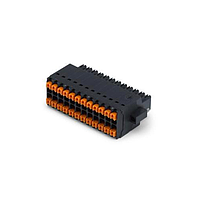
Screw terminal connectors and spring terminal plugs support direct module connectivity while helping with cable retention and safer handling. For applications where a pre-defined cable path is needed between interfaces, a dedicated cable assembly can reduce wiring errors and simplify installation. If your project also requires related interconnect options beyond this range, it can be useful to review available cable assemblies for broader system integration needs.
Representative NI products for wiring and breakout tasks
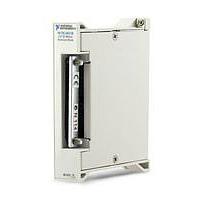
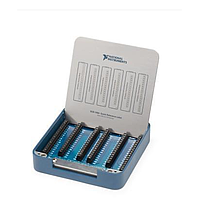
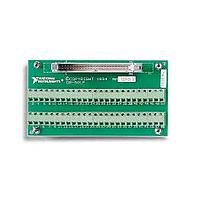
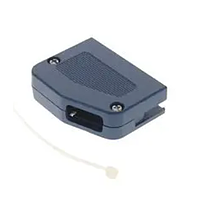
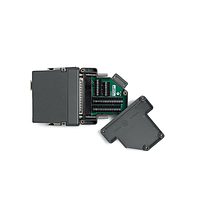
Several products in this category illustrate how NI connector accessories are typically used in real systems. The NI-9923 Terminal Block is intended to help connect one circuit to another through a 37-pin interface, making it relevant where structured signal breakout is needed. The NI-9927 10-Position Screw Terminal Connector is aimed at direct module connection while also supporting strain relief and operator protection, which can be important in busy lab or industrial environments.
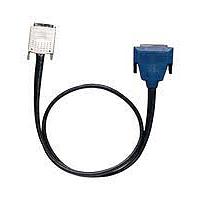
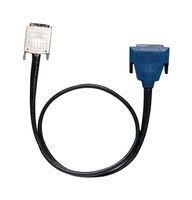
Other examples include the NI-9966 Female Spring Terminal Block Plug for compatible 24-position spring terminal C Series modules, as well as terminal block options such as the NI 777101-01, NI 785024-01, and NI 779358-01 for specific connection scenarios. For users working with linked instrument connections rather than direct point termination, the NI 157599-02 Test Cable Assembly shows the role that dedicated interconnect cables can play in maintaining orderly routing between hardware interfaces.
How to choose the right connector for your NI setup
The first step is to match the connector style to the device interface and the way signals will be terminated in the real installation. Some applications need quick, direct attachment to a module, while others benefit from a breakout format that is easier to wire, label, and inspect. Physical compatibility should be reviewed carefully, including pin format, mating interface, and how the connector will sit within the overall enclosure or bench layout.
It is also worth considering how often the connection will be changed. For fixed installations, a terminal-based solution may offer cleaner long-term wiring. For setups that are repeatedly connected and disconnected during validation or maintenance, a dedicated cable assembly may improve consistency and reduce wear on the main hardware interface. In signal-intensive systems, engineers may also compare connector accessories with other interface options such as banana and tip connectors when building test access points elsewhere in the setup.
Key practical considerations in industrial and lab environments
Connector choice is not only about mating geometry. In day-to-day operation, teams also need to think about serviceability, wiring clarity, and mechanical protection. Components that provide strain relief or more secure terminations can help reduce connection issues caused by cable movement, repeated handling, or crowded installation spaces.
Another important factor is how the connector supports the workflow of the people using the system. In prototyping and troubleshooting, easy access to conductors can save time. In production or regulated test environments, a neater and more controlled interconnect strategy can help standardize setup between stations. For some builds, supporting items such as electrical contacts may also be relevant depending on how custom interconnect assemblies are prepared.
NI as a connector ecosystem for test and measurement
This category is centered on NI hardware intended to work within the brand’s wider test and measurement ecosystem. That matters because connector accessories are most useful when they align with the mechanical and electrical expectations of the host platform. Choosing matching accessories can make integration more predictable and reduce the amount of custom adaptation required at the bench or in the cabinet.
For buyers sourcing replacement parts, expansion accessories, or connection hardware for an existing NI installation, staying within the same ecosystem can also simplify maintenance planning. Rather than treating connectors as generic afterthoughts, it is often better to view them as part of the full signal path from module interface to external circuit.
Typical use cases for NI connector accessories
These products are commonly used in automated test systems, data acquisition setups, module breakout arrangements, and switch or multiplexer applications where organized terminations are important. A terminal block may be selected when engineers need a convenient point to land multiple conductors, while a direct-connect plug or screw terminal connector can be preferable when minimizing intermediate wiring is the priority.
They are also relevant in retrofit and maintenance scenarios. When an existing NI-based system needs replacement connection hardware, selecting the correct accessory can help restore functionality without redesigning the test fixture or rewiring the entire interface path. That makes connector accessories a small but essential part of sustaining measurement infrastructure over time.
Choosing with compatibility and workflow in mind
The most effective connector is usually the one that fits the platform correctly and supports the way your team actually installs, uses, and services the equipment. In this category, NI terminal blocks, plugs, and cable assemblies are intended to help create cleaner interfaces between modules and external wiring, with options suited to different connection styles and maintenance needs.
If you are comparing parts for a new build or replacing accessories in an existing system, focus on interface compatibility, termination method, and the practical demands of the application. A well-matched connector can make NI-based test and measurement systems easier to wire, safer to handle, and more straightforward to maintain.
Get exclusive volume discounts, bulk pricing updates, and new product alerts delivered directly to your inbox.
By subscribing, you agree to our Terms of Service and Privacy Policy.
Direct access to our certified experts