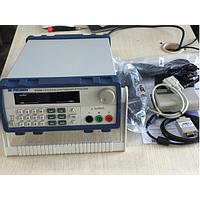
Equipment Calibration Service
Reliable measurement starts with instruments that are checked against known references and verified for continued accuracy. In industrial maintenance, quality control, field inspection, laboratories, and electronics work, Equipment Calibration Service helps reduce uncertainty, improve traceability, and support consistent decision-making across daily operations.
This category brings together calibration support for a broad range of measuring and test devices, from electrical instruments and telecom tools to environmental meters, optical devices, particle counters, and distance measurement equipment. It is intended for organizations that need a practical way to maintain confidence in instrument performance over time rather than relying only on factory settings or periodic visual checks.

Why calibration matters in technical environments
Even when an instrument appears to function normally, its readings can drift due to aging components, transport, environmental conditions, repeated use, or mechanical shock. Calibration helps identify these deviations by comparing the device against suitable reference standards and documenting the result. This is especially important where measurement data influences acceptance criteria, maintenance decisions, process adjustments, or safety checks.
For many companies, calibration is not only a quality activity but part of broader asset management. Regular calibration intervals make it easier to plan maintenance, avoid unexpected measurement disputes, and keep instruments aligned with internal procedures or customer requirements. Where a device also shows signs of physical damage or unstable operation, it may be useful to review related equipment repair services as part of the same workflow.
What types of equipment are typically covered
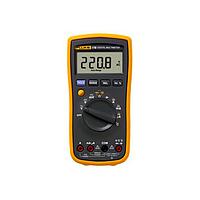
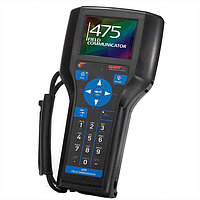
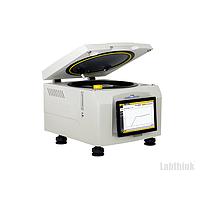
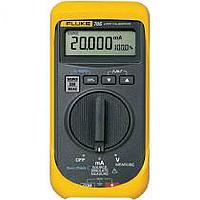
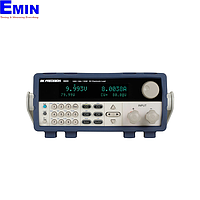
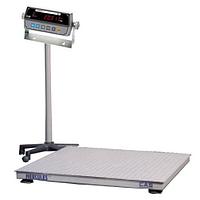
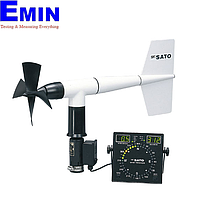
This category spans a wide mix of instruments used in electrical, mechanical, laboratory, environmental, telecom, and industrial testing tasks. Typical examples include distance meters, clamp meters, phase indicators, particle counters, picoammeters, nanovoltmeters, EMC precompliance tools, pressure-related devices, and many other specialized meters used in production and service environments.
Because calibration requirements vary significantly by instrument type, the service scope is usually organized around application groups. For example, businesses working with electrical diagnostics may also need support aligned with electrical measurement workflows, while facilities managing incoming and periodic verification may combine calibration with an equipment inspection service when condition assessment is also needed.
Examples of instruments and brands within this category
The category includes calibration service entries for well-known brands used across industrial and technical markets. Distance measurement devices are represented by service options for BOSCH, LEICA, MAKITA, NIKON, STANLEY, and FLUKE, which reflects the broad demand for routine verification of handheld laser measurement tools in construction, installation, and surveying support tasks.
In electronic and laboratory-oriented applications, examples include the KEYSIGHT Picoammeter/Nanovoltmeter Calibration Service and KEYSIGHT Clamp Meter Calibration Service. For RF and compliance-related work, the Rohde & Schwarz calibration entries such as LCR meter support and EMC precompliance set calibration illustrate the need for controlled measurement performance in more specialized testing environments. Particle counting and phase sequence verification are also represented through FLUKE service offerings, showing that the category extends beyond basic handheld meters.
How to choose the right calibration service path
A practical selection process starts with the instrument type, measurement function, and the way the device is used in your operation. A field-used distance meter may need a different handling process than a sensitive bench instrument used for low-current or low-voltage measurement. The required turnaround, expected documentation, and whether the instrument is used for internal checks or customer-facing results can also influence the service route.
It is also useful to consider the instrument’s role in the larger system. If a device is a critical reference within your maintenance or testing chain, calibration frequency may need to be tighter than for general-purpose tools. Where the main need is access to temporary equipment during service downtime, some users may also review an equipment rental service to keep projects moving while instruments are away for verification.
Common application areas
Equipment calibration is relevant across many sectors, including manufacturing, MRO, utilities, electronics assembly, laboratories, building services, environmental monitoring, and telecom support. In these environments, measurement reliability affects process stability, energy checks, installation quality, compliance preparation, and troubleshooting speed.
Field teams often depend on calibrated distance meters, electrical testers, and specialty meters to complete installation or maintenance tasks with fewer rework risks. Laboratories and advanced electronics users may focus more on current, voltage, resistance, or signal-related accuracy. Cleanroom and environmental applications place more emphasis on counters and monitoring instruments, where trend validity and repeatable readings matter as much as the absolute value.
What users often look for in a calibration service
Most B2B buyers are not simply looking for a generic service label. They usually want a provider or service category that matches their equipment family, supports the required measurement discipline, and fits into existing maintenance schedules. For that reason, clear category structure matters: users should be able to move from a broad service group into narrower areas such as electrical and electronic meters, telecom testers, optical instruments, particle counters, or distance meters.
Another common priority is service continuity. Companies often manage fleets of instruments from multiple brands, so a category that supports a wide cross-section of devices is easier to use over time. This is why manufacturer references such as FLUKE, KEYSIGHT, LEICA, BOSCH, NIKON, MAKITA, STANLEY, and Rohde & Schwarz are helpful as orientation points, even though the real selection should still be based on the measurement function and application context rather than the brand name alone.
Calibration, inspection, and repair: when each is relevant
These services are related, but they do not solve the same problem. Calibration service is primarily about verifying and documenting measurement performance against reference standards. Inspection is typically more focused on condition, completeness, and general operational status, while repair addresses faults, damage, or unstable behavior that prevent normal use.
In practice, organizations often need a combination. A unit may be sent in for calibration, then found to need adjustment or repair before meaningful results can be confirmed. In other cases, inspection is performed first to determine whether the equipment is suitable for calibration. Understanding this distinction helps buyers choose the right service path and avoid delays when managing critical instruments.
Supporting better lifecycle management for measuring equipment
A well-planned calibration program supports more than compliance or documentation. It helps teams build a more dependable measurement system, reduce uncertainty in reports, and coordinate service intervals across different instrument classes. This is especially valuable when a site uses a mix of handheld meters, laboratory instruments, environmental monitors, and specialized electronic test equipment.
For organizations that rely on accurate readings every day, this category provides a useful starting point to identify suitable calibration options by application and device family. By selecting the service that fits the instrument’s real operating role, businesses can maintain more consistent measurement quality and make better decisions across testing, maintenance, and production activities.
Get exclusive volume discounts, bulk pricing updates, and new product alerts delivered directly to your inbox.
By subscribing, you agree to our Terms of Service and Privacy Policy.
Direct access to our certified experts