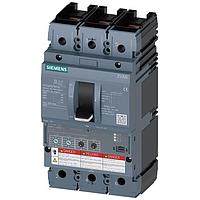
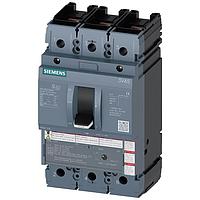
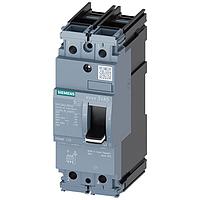
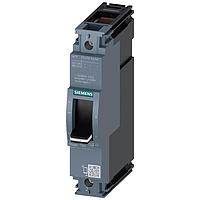
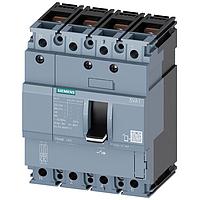
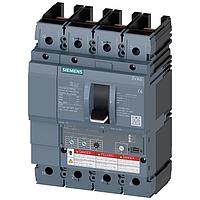
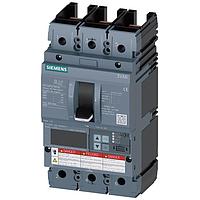
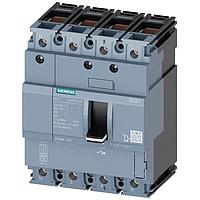
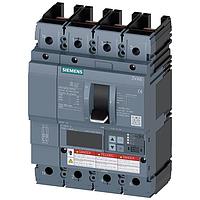
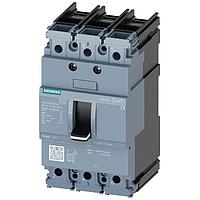
Circuit Breakers
Electrical systems rarely fail at a convenient time, which is why dependable overcurrent protection is a basic requirement in panels, machines, distribution boards, and industrial equipment. Choosing the right circuit breakers helps protect wiring, connected loads, and maintenance personnel while also making fault isolation faster and more predictable in day-to-day operation.
On this page, buyers and engineers can explore breaker options used in commercial, industrial, and equipment-level applications. The category is relevant when you need a resettable protective device for branch circuits, control panels, OEM assemblies, or general power distribution where reliable interruption and serviceability matter.
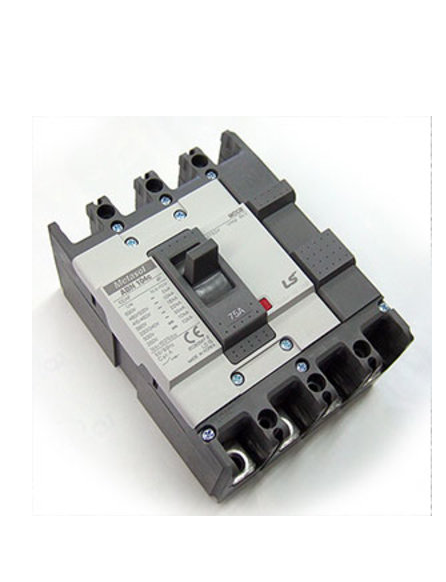
Why circuit breakers matter in electrical protection
A circuit breaker is designed to interrupt current flow when abnormal conditions occur, such as overloads or short circuits. Unlike one-time protective elements, breakers can typically be reset after the underlying issue is corrected, which can reduce downtime and simplify maintenance workflows in many installations.
In practical terms, the right breaker supports system protection, equipment continuity, and safer troubleshooting. It also plays an important role in coordinating protection across a wider electrical architecture, especially where upstream and downstream devices need to respond appropriately to different fault conditions.
Typical applications across industrial and commercial systems
Circuit breakers are used in a wide range of environments, from machine control cabinets to facility infrastructure. Common use cases include feeder and branch protection, motor-related circuits, auxiliary power distribution, HVAC equipment, building services, and OEM control assemblies where consistent protection is required across repeated builds.
They are also relevant in projects where quick restoration after a trip is valuable. In these cases, a breaker can offer a practical balance between protection and serviceability, particularly when maintenance teams need a clear, accessible device for isolation and reset within established operating procedures.
How to evaluate the right breaker for your application
Selection usually starts with the electrical characteristics of the circuit: operating voltage, current level, expected fault conditions, and the nature of the connected load. Engineers also look at installation constraints such as panel space, mounting style, ambient conditions, and whether the device is intended for equipment integration or broader distribution use.
Another key point is coordination with the rest of the protection scheme. A breaker should fit the logic of the overall system rather than being chosen in isolation. If your design also involves related protection hardware, it can be useful to review the broader range of circuit breaker solutions alongside other panel components to keep specifications aligned.
Common differences between breaker options
Not all circuit breakers are intended for the same duty. Depending on the installation, buyers may compare devices by trip behavior, interrupting capability, pole configuration, form factor, and suitability for specific control or distribution tasks. These factors affect how well a device matches the fault profile and operating pattern of the system it protects.
Mechanical integration can be just as important as electrical performance. In compact enclosures, footprint and wiring access may drive the decision, while in larger switchboards, standardization and maintainability may carry more weight. A good category review should therefore consider both protective function and the realities of field installation.
Manufacturers commonly considered for circuit breaker sourcing
Procurement teams often evaluate breaker ranges from established electrical and component suppliers with experience in power distribution and industrial integration. Within this category, names such as ABB and Eaton are relevant starting points when comparing sourcing options, especially for projects that prioritize continuity, availability, or brand alignment across multiple panel components.
Depending on the broader application, buyers may also be working within ecosystems that include connectivity, protection, or power infrastructure from manufacturers such as AMP Connectors - TE Connectivity, Amphenol, Bourns, Delta Electronics, Inc., or APC by Schneider Electric. Even when the breaker itself is the focus, compatibility with the wider electrical bill of materials can influence the final decision.
Where circuit breakers fit within a larger protection strategy
Breakers are one part of a broader protection architecture that may include disconnects, terminal systems, wiring accessories, surge protection, and other panel devices. Their role is strongest when they are selected as part of a complete design review rather than as a last-minute replacement based only on current rating.
For buyers comparing adjacent product groups, it may also help to look at related protection components within Circuit Breakers and nearby categories in the same electrical family. This approach supports cleaner specification work and can reduce mismatches during assembly, commissioning, or maintenance.
What buyers often look for on a category page
For B2B purchasing, the category page is often used to narrow options before reviewing individual product details. Typical decision criteria include manufacturer preference, application fit, installation method, electrical rating, and whether the part aligns with an existing approved vendor list or design standard.
This is also where clear categorization becomes valuable. A well-structured product category helps engineers, buyers, and maintenance teams move from general requirements to a smaller, more relevant shortlist without wasting time on unsuitable devices. When the application is known but the exact part is not, this kind of filtering is especially useful.
Final considerations before selecting a breaker
The best choice usually comes from balancing protection needs, panel design, service expectations, and sourcing practicality. Rather than focusing on a single headline feature, it is better to evaluate how the breaker will perform within the actual operating conditions of the system and how easily it can be supported over time.
This circuit breakers category is intended to support that process by giving technical buyers a clear starting point for comparison. If you are refining a new design, replacing an existing device, or standardizing parts across equipment builds, reviewing the available range carefully can help you make a more consistent and application-appropriate selection.
Get exclusive volume discounts, bulk pricing updates, and new product alerts delivered directly to your inbox.
By subscribing, you agree to our Terms of Service and Privacy Policy.
Direct access to our certified experts