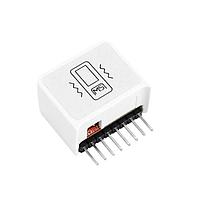
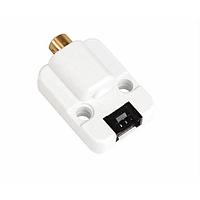
Vibration Motors
Compact haptic feedback, silent alerting, and simple motion indication often depend on one small electromechanical part: the vibration motor. In prototypes, handheld devices, wearable products, notification systems, and embedded electronics, this component is widely used when audible signaling is not enough or when tactile response improves the user experience.
This category brings together Vibration Motors suited to low-voltage electronic designs, from small wire-lead parts for fast integration to solder-termination options for more fixed assemblies. Whether you are selecting parts for a development board accessory, a compact consumer device, or a custom OEM build, the main considerations are typically supply voltage, mounting style, termination method, current draw, and the type of vibration profile required by the application.
Where vibration motors are commonly used
These motors are often chosen for products that need tactile feedback without taking up much space. Typical use cases include handheld electronics, alarms, wearables, hobby and education projects, user-interface confirmation, and compact embedded systems where sound-based feedback may be impractical.
In many designs, the goal is not continuous motion but a brief, controlled vibration event. That makes this category especially relevant for engineers working on alert mechanisms, portable electronics, and simple human-machine interfaces. If your project instead requires rotational drive or continuous mechanical output, broader options in AC and DC motors may be a better fit.
Key selection factors for engineering and purchasing teams
When comparing vibration motors, the first checkpoint is the operating voltage range. Many parts in this category are designed for low-voltage electronics, which makes them suitable for battery-powered products and controller-driven circuits. Current consumption also matters, especially when the motor will be powered directly from a compact PCB or portable power source.
Another practical factor is the electrical connection style. Wire and wire-lead versions can simplify prototyping and quick integration, while solder-termination models may be more appropriate for compact assemblies or applications where a more permanent connection is preferred. Mechanical dimensions, motor speed, and weight also influence the perceived vibration strength and how the part behaves once installed in the final enclosure.
Examples from this category
Several products in this range illustrate the variety available. The PUI Audio series includes multiple options for low-voltage haptic or alert applications, such as HD-EMB1205-2-LW30-R, HD-EM1206-SC-R, HD-EMB1104-SM-2, and HD-EM1204-SC-R. These examples show how a single manufacturer can offer different termination styles and motor characteristics for different assembly methods.
Other representative parts include the OSEPP Electronics LS-00046 Vibration Motor (2 pack), the Olimex Ltd. VIBRATING-MOTOR, and the SparkFun ROB-08449. For compact form factors, the Parallax 28821 flat coin vibration motor is also a useful reference point, especially when low-profile integration is important. In more specialized sourcing scenarios, buyers may also review options from Vishay for compatibility with existing approved vendor lists or BOM preferences.
Understanding form factor and integration needs
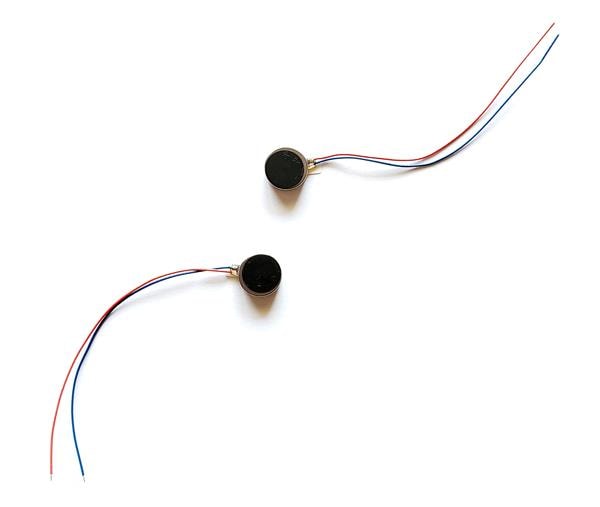
Not every vibration motor behaves the same way in the final product. A flat coin style may be easier to place in slim handheld housings, while cylindrical or leaded versions can be convenient during bench testing and early-stage development. The surrounding enclosure, mounting method, and material stiffness can all affect how noticeable the vibration feels to the end user.
For this reason, engineers usually evaluate the motor as part of the entire mechanical system rather than as a standalone component. A motor rated for low-voltage operation may still perform differently depending on mounting surface, adhesive method, or available drive current. That is why component selection should consider both electrical compatibility and the finished product’s physical design.
Manufacturer options in this range
This category includes products associated with well-known suppliers used in embedded, maker, and industrial electronics channels. PUI Audio appears prominently in the range, particularly for compact haptic motor options. Other relevant names include SparkFun, Olimex Ltd., Parallax, Soldered, OSEPP Electronics, and Vishay.
Brand choice can matter for documentation consistency, sourcing policy, lead-time planning, or project standardization across multiple builds. In some teams, a preferred manufacturer is selected early to simplify repeat purchasing. In others, the priority is electrical fit and mechanical integration first, followed by supplier availability.
How vibration motors differ from other motor categories
Although they are part of the wider motors and drives ecosystem, vibration motors are selected for a very specific output: creating a vibration effect rather than transmitting useful rotary motion to a shaft or mechanism. That makes them fundamentally different from drive-oriented motor types used for positioning, fans, conveyors, or actuation.
If a design requires precise angular control, synchronized stepping, or repeatable positioning, a category such as stepper motors is usually more appropriate. Vibration motors are better suited to signaling, tactile notification, and compact product interaction where simplicity and size are often more important than motion control accuracy.
What to review before placing an order
For purchasing and engineering teams, it helps to confirm a few practical points before final selection: target voltage, expected current draw, preferred termination style, available mounting space, and whether the motor is intended for prototype evaluation or production use. It is also useful to check whether the application needs a noticeable burst of vibration or a gentler haptic response.
When comparing similar parts, small specification differences can affect system behavior, especially in battery-powered devices or space-constrained assemblies. Reviewing representative products from manufacturers such as SparkFun, PUI Audio, or Parallax can help narrow the shortlist based on integration style rather than relying only on part naming or general appearance.
Choosing the right vibration motor for your application
A good selection process starts with the device itself: how much space is available, what voltage is already present in the design, and what kind of user feedback is expected. From there, termination style, speed range, and package style become easier to evaluate in context.
This category is intended to support both development work and production sourcing by grouping low-voltage vibration motor options in one place. By comparing electrical compatibility, assembly method, and intended haptic effect, buyers and engineers can identify a part that fits the design more naturally and reduces rework later in the project.
Get exclusive volume discounts, bulk pricing updates, and new product alerts delivered directly to your inbox.
By subscribing, you agree to our Terms of Service and Privacy Policy.
Direct access to our certified experts