
Heaters
Maintaining a comfortable and stable indoor environment matters in many workspaces, from small offices and reception areas to back-office rooms and support spaces. When seasonal temperatures drop, choosing the right heaters helps improve day-to-day comfort, supports staff productivity, and makes specific rooms more usable without overcomplicating the setup.
In an office equipment context, this category is typically used for practical space-heating needs rather than large-scale industrial HVAC. That means buyers often focus on safe operation, suitable heat output for the room size, ease of placement, and how well the unit fits into the daily routine of a professional environment.
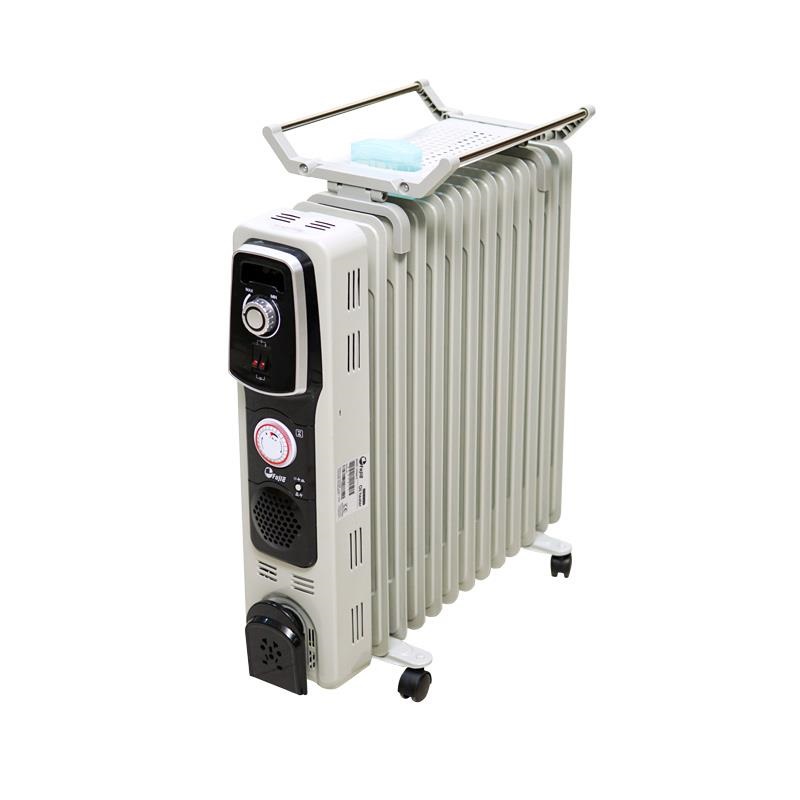
Where heaters are commonly used in office-related environments
Not every workspace is heated evenly throughout the day. Smaller enclosed rooms, counters near entrances, archives, temporary workstations, and low-traffic support areas often need supplemental heat to stay comfortable. In these situations, a dedicated heater can be a practical option when central heating is limited or slower to respond.
Heaters may also be considered in facilities that combine administration with light equipment handling, packaging, or document processing. In those settings, comfort is important, but so is selecting equipment that can operate reliably in a professional environment without taking up unnecessary space or creating disruption.
Key factors when selecting a heater
A useful starting point is the intended installation area. Room size, insulation quality, ceiling height, door-opening frequency, and the amount of natural airflow all affect how much heating support is needed. A compact personal unit may be enough for a workstation, while a larger room may require a more capable solution.
Buyers should also consider placement, mobility, and power availability. For example, some spaces benefit from a heater that can be moved between locations, while others need a fixed position near a desk, counter, or enclosed room corner. In B2B purchasing, it is also worth checking how the unit fits into cleaning routines, cable management, and overall workspace layout.
Operational considerations for business use
In commercial and administrative settings, heating equipment should be evaluated beyond basic warmth. Ease of operation matters because devices may be used by multiple people across a shift or workday. Straightforward controls, predictable performance, and practical daily handling can make a noticeable difference in shared environments.
Noise level and heat distribution are also important. A unit placed in a customer-facing area, meeting room, or focused desk space should support comfort without becoming a distraction. In rooms that already contain other office devices, it helps to choose heating equipment that complements the workspace rather than competing with it.
Safety and placement best practices
Safe use starts with correct positioning. Heaters should be placed on stable surfaces or in suitable designated locations, with sufficient clearance around the unit based on the manufacturer's guidance. Offices typically contain paper, packaging materials, cables, and furniture, so maintaining a clear operating zone is essential.
It is also good practice to review how the heater will be used during working hours, after hours, and during cleaning or maintenance activities. For organizations managing several rooms or stations, creating a simple usage guideline can help reduce misuse and keep operation more consistent across the site.
How heaters fit into a broader office equipment setup
Heating products are often part of a wider operational environment rather than a standalone purchase. Businesses that manage mailing rooms, document handling points, archives, and secure data areas may also evaluate other supporting equipment depending on workflow. For example, teams organizing printed materials may also browse banding machine options for bundling and handling tasks.
Likewise, offices with secure information disposal policies may look at adjacent categories such as data sanitizing equipment when planning workspace infrastructure. These are different product groups, but they often appear in the same procurement cycle when organizations are improving operational support areas.
Planning for small offices, shared spaces, and support rooms
Different business environments call for different heater priorities. A small private office may prioritize compact size and quick warmth, while a shared room may need more balanced heat coverage and more careful placement. Support spaces such as storage or records rooms may place greater emphasis on dependable background heating during occupied periods.
It can also help to think about how heating needs change over the year. Some businesses only require portable heating during short cold periods, while others rely on supplemental heat more regularly in zones that remain cooler than the rest of the building. This broader view supports better purchasing decisions and avoids choosing equipment based only on temporary conditions.
Related equipment categories worth reviewing
If your procurement scope includes more than just climate-related support, it may be useful to compare nearby categories that serve office operations in different ways. For general consumables and everyday workplace essentials, the office supplies section can help round out routine purchasing.
Organizations with document or media handling requirements may also review data duplicator solutions alongside other equipment needs. While these products are unrelated in function, grouping purchases by workspace or department can simplify planning and vendor coordination.
Choosing the right heater for practical daily use
The most suitable option is usually the one that matches the room, the usage pattern, and the expectations of the people using the space every day. A well-chosen heater should support workspace comfort without making the area harder to manage, noisier to work in, or less safe to operate.
As you compare products in this category, focus on the operating environment, placement constraints, and the role the heater will play within the wider office setup. That approach makes it easier to select equipment that is appropriate for real business use rather than simply choosing by size or appearance alone.
Get exclusive volume discounts, bulk pricing updates, and new product alerts delivered directly to your inbox.
By subscribing, you agree to our Terms of Service and Privacy Policy.
Direct access to our certified experts