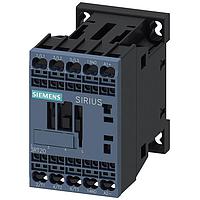
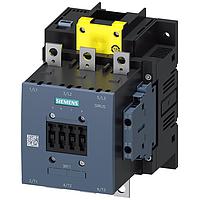
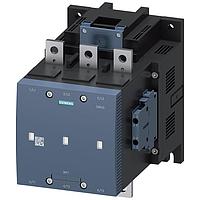
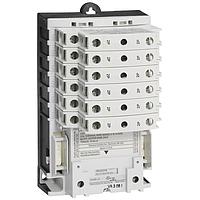
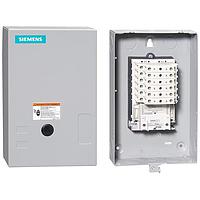
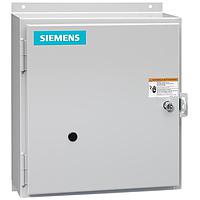
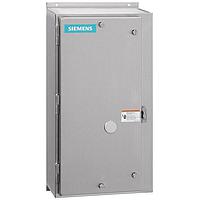
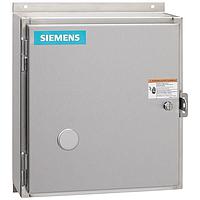
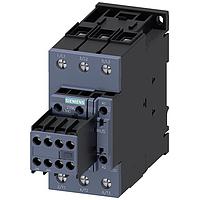
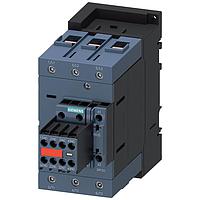
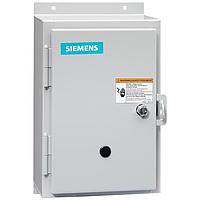
Electromechanical Contactors
In motor control and power switching applications, reliable circuit engagement is critical for uptime, safety, and repeatable operation. Electromechanical contactors are widely used wherever a control signal needs to switch higher electrical loads, making them a core component in industrial panels, machinery, HVAC systems, pumps, conveyors, and general automation systems.
This category brings together contactors designed for practical control duties across a range of coil voltages and load requirements. Whether you are replacing an existing unit, building a new control panel, or standardizing components for maintenance, choosing the right contactor starts with understanding how it fits into the wider switching and protection scheme.
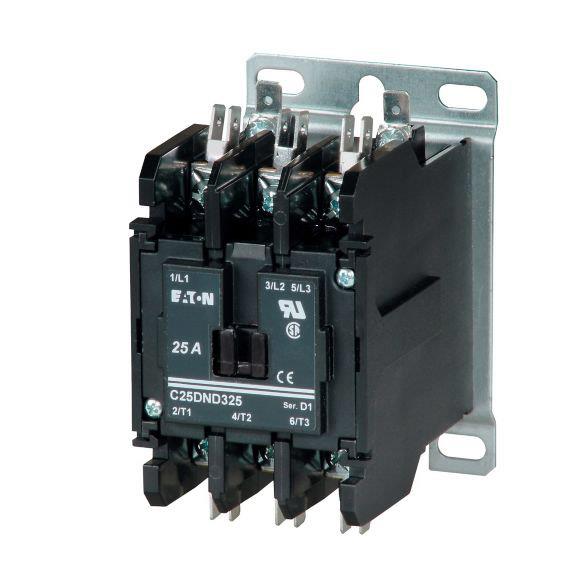
Where electromechanical contactors are typically used
A contactor is intended to open and close power circuits through an electrically energized coil. In everyday industrial use, this makes it suitable for switching motors, heaters, lighting circuits, compressors, fans, and other loads that need frequent or remote control. Compared with manual switching, a contactor supports integration into control cabinets, PLC-driven systems, interlocks, and protection circuits.
Because these devices sit at the interface between control logic and power switching, selection should consider not only the load itself but also the operating environment, switching frequency, and required control voltage. In many systems, contactors are paired with overload protection, auxiliary contacts, timers, and interface devices to create a complete motor starter or machine control arrangement.
How to choose the right contactor for your application
The most important starting points are the load type, current level, main contact configuration, and coil voltage. Coil ratings matter because the control side of the system may be based on AC or DC, and replacement errors often happen when a mechanically similar unit has a different coil specification. It is also important to review how many auxiliary contacts are needed for signaling, interlocking, or feedback to the control system.
For maintenance teams and panel builders, practical selection also includes enclosure space, wiring layout, and compatibility with related parts. If your assembly also requires add-on blocks or mounting components, it is often useful to review available contactor accessories at the same time to simplify installation and future servicing.
Typical product examples in this category
This range includes multiple Eaton contactors used as representative examples for different control requirements. Models such as the Eaton DILEEM-10(230V50HZ,240V60HZ), Eaton CN15NN3T1, and Eaton DILM7-10(400V50HZ,440V60HZ) illustrate how coil voltage and series selection can vary depending on panel standards and switching duties.
For heavier-duty needs, products such as the Eaton DILMP80(230V50HZ,240V60HZ), Eaton 239416 DILM80(RDC24), Eaton DILM95(110V50HZ,120V60HZ), and Eaton 239555 DILM115(RDC24) show the broader scope available within the category. If you are standardizing around one supplier, you can also explore the wider Eaton portfolio for related control and power components.
Understanding coil voltage and control circuit compatibility
One of the most common selection errors is focusing only on the power side while overlooking the control side. A contactor may match the main switching requirement but still be unsuitable if the coil voltage does not match the available control supply. In this category, example products include versions for 24VDC, 42V, 110V/120V, 230V/240V, and 400V/440V control conditions, which highlights why verification is essential before ordering.
AC and DC coil versions can behave differently in practice, especially in control panels that include electronic outputs, safety relays, or PLC interfaces. For that reason, contactor selection should be reviewed together with upstream control components and downstream load behavior, rather than as an isolated part number decision.
Contactors within a broader control system
In a typical automation or machine control design, a contactor does not work alone. It is often combined with overload devices, control relays, timers, pushbuttons, and limit devices to create a coordinated switching system. That is why engineers and buyers frequently compare contactors with adjacent product groups such as relays when defining the right control architecture.
Although the two categories can appear similar at first glance, their roles are different. A contactor is generally chosen for switching higher-power circuits repeatedly and safely, while relays are more commonly used for lower-power control, interface, and signaling tasks. Understanding this distinction helps avoid under-specifying the switching device in motor and power applications.
Why electromechanical designs remain widely used
Even in modern automated systems, electromechanical switching remains relevant because it offers a familiar, serviceable, and well-understood method of controlling loads. Maintenance personnel can inspect wiring, verify coil operation, and replace standard units with less complexity than some more specialized switching technologies. This is especially valuable in industrial environments where fast troubleshooting matters.
Another advantage is integration flexibility. Electromechanical contactors are commonly used across legacy equipment and newer control panels alike, making them a practical choice when retrofitting machinery or extending an existing system. For many B2B buyers, consistency across spare parts, panel layouts, and maintenance procedures is just as important as the initial electrical specification.
What to review before ordering
Before selecting a unit, confirm the coil voltage, contact arrangement, intended load type, and installation constraints. Also check whether you need auxiliary contacts, suppressors, or other supporting parts to complete the assembly. This is particularly important for replacement work, where a similar-looking model may differ in a way that affects panel compatibility.
If your application involves directional motion, linear actuation, or magnetic drive functions rather than direct load switching, it may also be worth comparing nearby categories such as solenoids and actuators. That broader view helps ensure the selected device matches the actual function required in the system.
Find electromechanical contactors that fit your control strategy
A well-chosen contactor supports dependable switching, easier maintenance, and cleaner integration into industrial control systems. From compact control duties to higher-capacity motor switching, this category is intended to help engineers, buyers, and maintenance teams narrow down options based on real application needs rather than part numbers alone.
As you compare available models, focus on the relationship between the load, the control voltage, and the surrounding components in the panel. That approach makes it easier to identify electromechanical contactors that align with both technical requirements and long-term serviceability.
Get exclusive volume discounts, bulk pricing updates, and new product alerts delivered directly to your inbox.
By subscribing, you agree to our Terms of Service and Privacy Policy.
Direct access to our certified experts