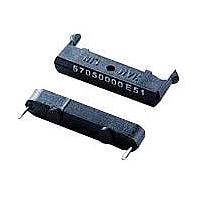
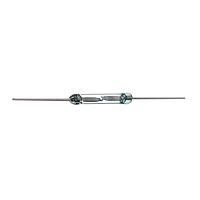
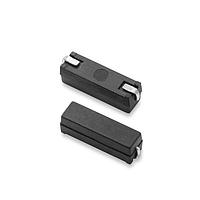
Magnetic, Reed Switches
When compact, low-power position sensing is needed, magnetic contact technology is still a practical choice in many industrial and OEM designs. Magnetic, Reed Switches are widely used where simple open/close detection, isolation from the actuating element, and dependable switching in confined spaces are important.
On this category page, you can explore reed switch options used in equipment monitoring, fluid level indication, door and cover status detection, and general proximity-based switching tasks. The range includes component-style parts for integration into assemblies as well as reed switch variants commonly associated with instrumentation and machine systems.
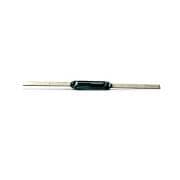
How reed switches work in practical applications
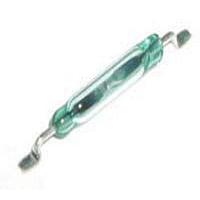
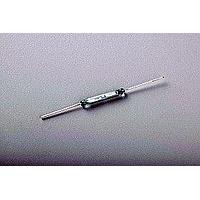
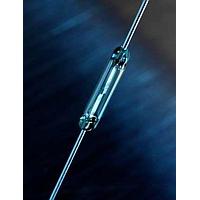
A reed switch contains ferromagnetic contacts sealed inside a small glass capsule. When exposed to a magnetic field, the contacts move together or change state, allowing the device to act as a compact switching element without requiring direct mechanical contact between the actuator and the switch itself.
This operating principle makes reed switches useful in applications where designers want electrical switching triggered by movement, presence, level, or position. In industrial environments, they are often selected for their simple architecture, low standby power requirements, and suitability for repeated actuation in properly matched circuits.
Where magnetic reed switches are commonly used
Reed switches appear in a broad range of systems, from basic enclosure or access-point monitoring to instrument feedback and fluid handling assemblies. They are frequently integrated into float-based level sensing arrangements, cylinder position detection, cabinet door status indication, and compact automation subassemblies.
Some variants are also relevant to measurement-related equipment. For example, reed switch products from WIKA can be associated with instrumentation applications, while component-oriented devices are often chosen by OEMs building custom boards, modules, or electromechanical assemblies. If your application requires a different switching principle, related options such as solid state switches may also be worth reviewing.
What to consider when selecting a reed switch
The right choice depends first on the switching method and the magnetic actuation conditions in the final assembly. Engineers typically review contact form, mounting style, switching distance, expected cycle life, load type, and whether the switch will handle signal-level loads or more demanding current and voltage conditions.
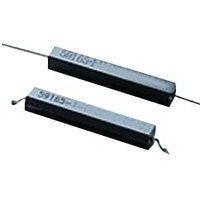
Mechanical integration is equally important. Leaded through-hole styles may suit traditional PCB installation or encapsulated sensor assemblies, while other formats can be used in space-constrained modules. Environmental factors such as vibration, temperature variation, and housing design should also be considered so the magnetic field and switch orientation remain consistent during operation.
Representative products in this category
This category includes examples such as the Littelfuse DRS-50-62-68 Reed Switch, the Littelfuse DRT-DTH-50-80 Reed Switch, and the Renesas Electronics OHD1-40M Reed Switch. These products illustrate the variety available for compact switching tasks, from general-purpose sensing to integration into purpose-built industrial assemblies.
Additional examples include the Littelfuse MISM-3V1B-6-10, Littelfuse MRPR-3-22-33, and Renesas Electronics OHD5R-100B. For applications tied to instrumentation or system indication, products such as WIKA 48712750 and WIKA 48730499 show how reed switch technology also supports broader monitoring ecosystems. Where thermal or switching characteristics are part of the design review, options such as the KEMET range may be relevant to compare.
Manufacturer landscape and sourcing context
This selection highlights well-known industrial and electronic component brands, including Littelfuse, Renesas Electronics, WIKA, and KEMET. Different manufacturers may serve different design priorities, such as compact board-level integration, instrumentation compatibility, or general-purpose magnetic switching for OEM production.
For buyers managing approved vendor lists or multi-project sourcing, reviewing products by manufacturer can help narrow down available form factors and platform compatibility. It can also support standardization across maintenance, production, and new equipment development workflows.
Reed switches within a broader switching system
Magnetic reed switches are often only one part of a larger control chain. In a complete machine or panel design, they may work alongside relays, isolation devices, input modules, or dedicated protection hardware depending on how the signal is processed downstream.
For example, some installations pair magnetic detection with safety-oriented hardware or service isolation components elsewhere in the circuit. If your project involves guarded access or machine shutdown logic, it may also be useful to compare this category with safety switches or disconnecting devices used at the power level rather than the sensing level.
Choosing the right category for your application
If you already know that your system uses magnetic actuation, this category is the right place to compare reed switch options for compact, contact-based sensing. It is especially relevant when the design calls for a straightforward switching element that can be triggered without direct mechanical linkage.
If your requirement is still being defined, focus on the application conditions first: what is moving, how the magnetic field will be presented, what electrical load the contacts must handle, and how the switch will be mounted and protected. That approach usually leads to a better fit than choosing by part family alone.
Magnetic reed switches remain a useful solution for industrial sensing, instrumentation support, and OEM device design because they offer a simple interface between physical movement and electrical status. By comparing operating conditions, mounting needs, and system context, buyers and engineers can identify the most suitable reed switch for reliable long-term integration.
Get exclusive volume discounts, bulk pricing updates, and new product alerts delivered directly to your inbox.
By subscribing, you agree to our Terms of Service and Privacy Policy.
Direct access to our certified experts