Audio, Video Tester
Reliable signal verification is essential when you need to evaluate loudspeakers, microphones, headphones, amplifiers, or electro-acoustic assemblies before deployment, maintenance, or shipment. In practical B2B environments, the goal is not just to “hear whether it works,” but to measure response, distortion, level consistency, and related mechanical or electrical behavior with repeatable methods.
The Audio, Video Tester category brings together instruments and accessories used for acoustic measurement, signal analysis, listening checks, and production-line verification. This includes portable measurement systems, microphones, preamplifiers, test boxes, headphones, and supporting sensors that help engineers, technicians, and QA teams make informed decisions during setup, troubleshooting, and inspection.
Where audio and video testing is used in practice
In installation and service work, these instruments are often used to confirm whether an audio path behaves as expected across the required frequency range and signal level. Typical tasks include checking microphone inputs, validating amplifier performance, assessing speaker response, and identifying distortion or noise before the issue reaches the end user.
In manufacturing and QC workflows, test equipment supports more structured pass/fail procedures. Systems can be used to compare channels, detect abnormal frequency response, confirm output level stability, or inspect vibration-related behavior. When broader electrical checks are also required, teams may pair audio test work with general-purpose tools such as a multimeter for voltage, continuity, and basic circuit verification.
Core equipment found in this category
A complete test chain usually combines a signal source, an analyzer, and the right transducers or accessories. For example, the Audiomatica CLIO POCKET Electro-Acoustical Multi-Platform Personal Measurement System illustrates the role of an integrated platform that can generate signals, capture measurements, and support portable audio analysis through a USB-connected setup.
Supporting devices extend what the main analyzer can do. A microphone preamplifier such as the Audiomatica PRE-01 helps condition low-level measurement signals, while microphones like the Audiomatica MIC-02, MIC-03, and MIC-04 are used to capture acoustic data in a more controlled and repeatable way. For amplifier and switching tasks in test benches, the Audiomatica QCBOX MODEL 5 adds practical interface capability between the unit under test and the analysis workflow.
Measurement tasks these testers help you perform
One of the most common jobs is frequency response analysis. By sending a known signal and measuring how the device or system reacts, engineers can identify imbalance, bandwidth limitations, or irregular peaks and dips. This is useful for loudspeakers, headphones, microphone paths, and assembled audio products.
Another important task is checking distortion and noise. Low-distortion generation and analysis help reveal whether an amplifier, interface, or transducer is introducing unwanted artifacts. In field and production environments, repeatable measurements matter because they support trend analysis, maintenance planning, and product consistency rather than one-time subjective listening only.
Depending on the setup, users may also measure level, channel matching, DC behavior, or mechanical vibration. The Audiomatica ACH-01 Accelerometer is a good example of how some audio-related testing extends beyond pure acoustic pickup and into vibration measurement for development, diagnostics, or product characterization.
Choosing the right setup for your application
The best choice depends on whether your work is portable, lab-based, or integrated into a repetitive QC process. A compact personal measurement system is often suitable for service engineers, R&D teams, and smaller-scale evaluation tasks. It simplifies setup and reduces bench space while still covering core signal generation and analysis requirements.
If your workflow involves fixtures, switching, or amplifier checks, a dedicated test interface becomes more relevant. In those cases, combining a measurement platform with a test box and the correct microphone or sensor creates a more scalable bench. For applications that include electrical source and load characterization beyond audio circuitry, some users may also review adjacent tools such as SMU semiconductor test equipment in mixed electronics environments.
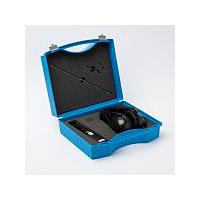
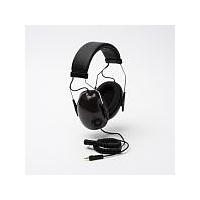
Accessory selection also matters. Headphones such as the Compact STE3/001 Standard Headphones may be used for monitoring or listening checks, while the Compact STE3 Electronic Stethoscope serves a different purpose by helping operators listen to mechanical or internal sound behavior that can indicate faults. The right accessory should match the inspection method rather than be treated as a generic add-on.
A closer look at microphones, preamplifiers, and accessories
Measurement microphones are central when acoustic data must be captured with consistency. Products such as the Audiomatica MIC-01, MIC-02, MIC-03, and MIC-04 show how microphone format and physical dimensions can differ depending on the test environment, mounting needs, and measurement position. In practice, users choose the microphone that best suits the geometry of the device under test and the repeatability required by the procedure.
A microphone preamplifier is valuable when the sensor signal needs proper conditioning before analysis. This becomes especially relevant in low-level measurements, controlled lab work, or any setup where signal integrity matters across a wide frequency range. Combined with the right microphone and software-based analysis platform, the test chain becomes much more dependable.
Accessories are not secondary in a professional setup. Cables, probes, headphones, and interface components directly affect usability and workflow speed. In many B2B contexts, the practical advantage comes from selecting instruments that integrate cleanly into existing benches, maintenance kits, or quality procedures rather than from buying isolated devices without a test strategy.
Manufacturer ecosystems and why they matter
For buyers managing technical teams or recurring test routines, manufacturer ecosystem compatibility can be as important as the individual instrument itself. A consistent platform can simplify training, spare-part planning, and accessory matching. Within this category, Audiomatica stands out for its electro-acoustical measurement focus, with products that cover portable analysis, microphones, preamplification, accelerometer input, and test-box integration.
Compact products in this selection serve more specific listening and inspection roles, especially where standard headphones or an electronic stethoscope are useful in maintenance and operational checks. The choice between brands should therefore reflect the intended workflow: analytical measurement, production verification, or practical fault detection in the field.
What to consider before ordering
Before selecting equipment from this category, define what you need to measure and how repeatable the result must be. A simple listening check requires different tools than a documented electro-acoustic test procedure. It is also worth reviewing signal interfaces, input and output types, portability, sensor compatibility, and whether the system will be used by service staff, test engineers, or production operators.
Think about the broader test environment as well. Audio inspection may be only one part of a larger diagnostic process involving electrical measurement, mechanical observation, or fault tracing. Building the right combination of analyzer, sensor, accessory, and support instrument usually provides better long-term value than choosing by specification alone.
Find the right audio and video testing tools for your workflow
This category is intended for users who need more than a quick subjective check. Whether you are developing electro-acoustic products, maintaining installed systems, or setting up a production QA station, the right tester helps turn sound-related issues into measurable data that can be compared, documented, and acted on.
By focusing on actual application needs such as response analysis, distortion checking, signal conditioning, and accessory compatibility, you can narrow the selection to the equipment that fits your process. Explore the available systems, microphones, test interfaces, and listening tools here to build a setup that supports consistent and practical audio evaluation.
Get exclusive volume discounts, bulk pricing updates, and new product alerts delivered directly to your inbox.
By subscribing, you agree to our Terms of Service and Privacy Policy.
Direct access to our certified experts