Electric Datalogger
When electrical signals need to be recorded over time instead of checked at a single moment, a data logging platform becomes far more useful than a handheld meter alone. In laboratories, production lines, validation benches, and facility monitoring systems, the ability to scan multiple inputs, store readings, and review trends is what turns raw measurements into actionable data.
Electric Datalogger systems in this category support that workflow for voltage, current, resistance, temperature-related inputs, frequency, and other electrical parameters depending on the instrument and installed module. This range is especially relevant for users who need repeatable acquisition, channel expansion, and structured logging in test and measurement environments.
Where electric dataloggers fit in electrical measurement
An electric datalogger is typically used when measurements must be captured continuously, scanned across many channels, or stored for later analysis. Compared with a basic spot-check instrument, it helps teams observe changing conditions such as load variation, thermal drift, power behavior, or signal stability over time.
In practical B2B use, these systems often sit between standalone bench instruments and larger automated test platforms. They can support maintenance diagnostics, product verification, environmental chambers, rack-based data acquisition, and mixed-signal monitoring where multiple sensor or electrical inputs need to be handled in one place.
Typical system formats in this category
This category includes both integrated bench data acquisition instruments and related modules or accessories used to build a complete logging setup. Some users need a compact benchtop unit with built-in display and memory, while others need modular switching cards or rackmount hardware to suit a permanent installation.
For example, the KEYSIGHT DAQ970A Data Acquisition Unit and KEYSIGHT DAQ973A Data Acquisition System are representative of bench-style multi-channel acquisition platforms. Supporting items such as the KEYSIGHT DAQA190A rackmount kit are not measurement devices by themselves, but they are important when integrating a logger into a rack cabinet for test stations or production environments.
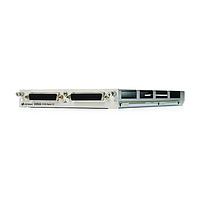
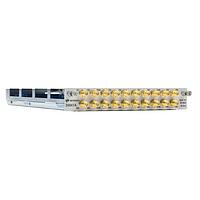
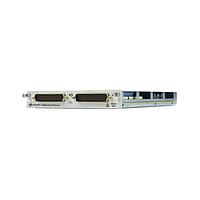
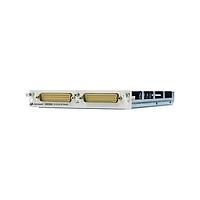
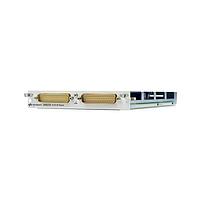
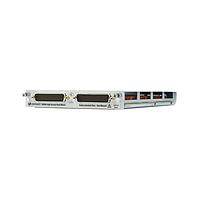
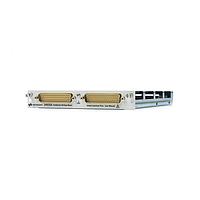
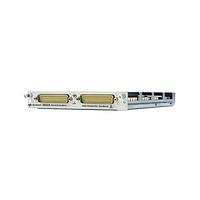
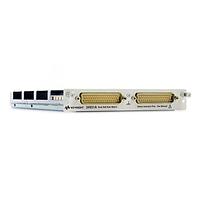
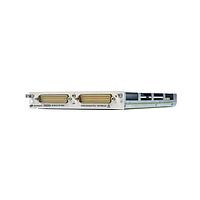
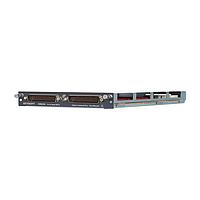
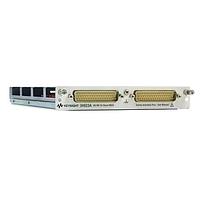
Modular expansion is another key part of the ecosystem. Products such as the KEITHLEY 3722 Dual 1 x 48 HD Multiplexer Card and several BKPRECISION switching modules show how channel count, routing style, and measurement flexibility can be adapted to the application rather than fixed at the base unit.
Common measurements and application scenarios
Electrical dataloggers are used in many situations where trends matter more than a single reading. Typical applications include long-duration voltage monitoring, current tracking, temperature measurement through thermocouples or RTDs in electrical systems, resistance checks across multiple points, and functional test sequences that require repeated scanning.
In R&D and validation work, a logger helps compare channels under the same timing conditions and simplifies data collection for later reporting. In maintenance and facility work, it can help identify intermittent behavior that would be missed by occasional manual checks. Where a simpler instrument is enough for quick troubleshooting, a multimeter may still be the right companion tool, while a datalogger takes over for continuous or multi-point acquisition.
Some products in this category also align well with power-focused monitoring. The EXTECH PQ3450-12 3-phase power analyzer/data logger, for instance, illustrates how logging functions can be combined with power analysis when users need to record electrical performance over time in three-phase systems.
How channel modules affect system capability
One of the most important selection points is the switching architecture. A datalogger platform may use multiplexer cards, switch modules, or specialized cards to route many inputs into the measurement engine. This has a direct effect on channel density, scan speed, signal type compatibility, and installation layout.
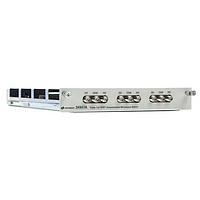
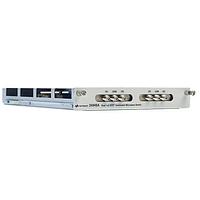
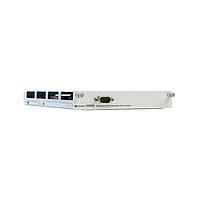
BKPRECISION modules provide a good example of how different tasks call for different switching approaches. The DM301 Multiplexer supports mixed measurement needs across multiple channels, while the DM300 Solid-State Multiplexer is oriented toward faster switching behavior. The DM303 Single-Ended Multiplexer and DM304 Switch module show how channel topology and signal routing can vary depending on the signals being monitored.
For higher channel density, the KEITHLEY 3722 card demonstrates the value of a dual multiplexer arrangement in systems where many points must be scanned efficiently. If the application involves specialized source-measure workflows rather than conventional logging, users may also want to review SMU semiconductor test equipment for a more suitable test architecture.
What to consider when choosing an electric datalogger
The first question is usually not brand but measurement scope: how many channels are needed, which signal types must be captured, and how quickly the system must scan. A logger used for slow temperature or process trending has very different requirements from one used for mixed electrical testing across dozens of points.
Next, look at system architecture. Bench units are often easier to deploy and operate, especially when they include onboard display, memory, and standard communication interfaces. Modular systems become more attractive when the installation needs custom switching, rack integration, or future expansion.
It is also important to consider input protection, channel voltage limits, current handling, and supported sensor types. For example, some modules are better suited to voltage, resistance, thermocouple, or RTD measurements, while others are designed more for signal routing. Communication options, local logging capability, and software workflow should also match how your team captures and uses data.
Representative manufacturers and solution landscape
This category brings together datalogger-related solutions from established test and measurement suppliers, including KEITHLEY, KEYSIGHT, BKPRECISION, EXTECH, HIOKI, NI, PICO, YOKOGAWA, GRAPHTEC, and GW INSTEK. Each brand is known in the broader electrical measurement market, but the best fit depends on whether the priority is modularity, scan performance, bench integration, or application-specific logging.
KEYSIGHT and BKPRECISION are well represented in the current product set, especially for bench data acquisition systems and switch modules. KEITHLEY contributes modular switching hardware that supports scalable measurement systems. EXTECH appears in the power monitoring segment, where logging and analysis are closely connected.
Users working across several electrical maintenance tasks may also compare data logging equipment with adjacent tools such as an earth resistance and resistivity tester when the job is focused on grounding performance rather than continuous multi-channel logging.
Why data logging matters in B2B workflows
In industrial and technical environments, decisions are rarely based on one reading alone. Teams often need timestamped records for troubleshooting, quality documentation, process verification, and maintenance history. A proper data acquisition system helps standardize those records and reduces the variability that comes with manual measurement routines.
This becomes especially valuable when several departments use the same data. Engineering may need trend evidence, production may need repeatable test sequences, and maintenance may need logs that explain intermittent faults. By combining channel switching, storage, and measurement control, an electric datalogger can support all of these use cases more effectively than isolated instruments.
Choosing the right path for your setup
The right selection usually starts with the signals you need to monitor and the way the system will be deployed. A compact bench platform may be ideal for lab use, while a rack-integrated configuration with expansion cards may suit automated test stations and long-term installations better. Accessories, switching modules, and mounting hardware should be considered as part of the complete solution rather than afterthoughts.
Whether you are building a multi-channel validation bench, expanding an existing DAQ platform, or adding logging capability to electrical diagnostics, this category provides a practical starting point. Reviewing instrument format, channel requirements, supported measurements, and integration needs will help narrow the options to a datalogger setup that fits your actual workflow.
Get exclusive volume discounts, bulk pricing updates, and new product alerts delivered directly to your inbox.
By subscribing, you agree to our Terms of Service and Privacy Policy.
Direct access to our certified experts