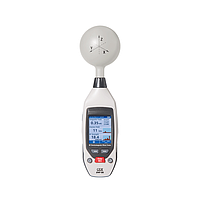
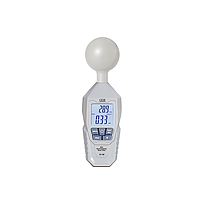
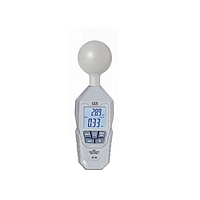
Electric Field Meter
Reliable field measurements matter whenever engineers need to assess exposure around power systems, RF sources, production equipment, or sensitive electronic installations. An Electric Field Meter helps quantify electric field strength in practical units such as V/m, making it easier to verify operating conditions, investigate interference concerns, and support safety checks in industrial and technical environments.
This category brings together handheld and professional instruments for different frequency ranges and use cases, from low-frequency mains-related measurement to broadband RF surveys. Depending on the application, users may need a compact screening tool, a triaxial meter for more consistent readings, or a model with memory and alarm functions for field documentation.
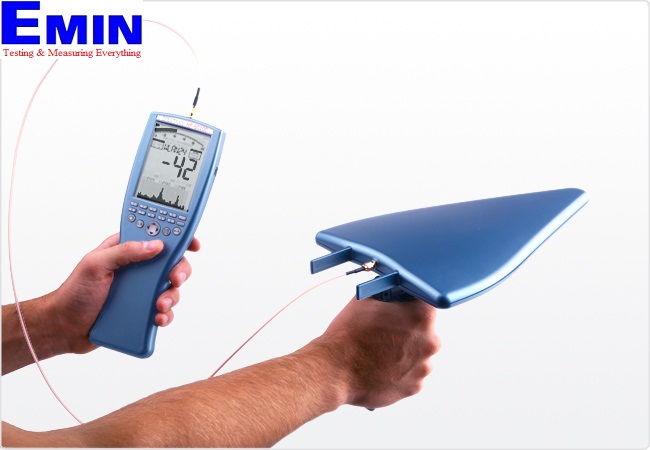
Where electric field meters are commonly used
Electric field measurement is relevant in many technical scenarios. Maintenance teams may need to check areas near switchgear, distribution equipment, cables, or grounded structures, while EMC and facilities personnel may investigate field levels around communication devices, test setups, and industrial electronics.
In RF-focused work, these meters are often used to survey emissions from wireless systems, telecom equipment, or surrounding infrastructure. In lower-frequency environments, they help evaluate fields associated with electrical distribution and powered equipment. When the task extends to grounding quality or site verification, users may also work alongside an earth resistance tester to build a more complete picture of installation conditions.
Choosing by frequency range and measurement purpose
One of the first selection criteria is the frequency range. Low-frequency electric field meters are typically used for measurements related to power distribution, building services, and equipment connected to the mains. Models such as the METRIX VX 0100 and METRIX VX 0003 are aligned with this type of work, where the focus is electric field intensity in V/m over lower-frequency bands.
For broadband RF surveys, users usually need instruments designed for MHz to GHz ranges. Examples in this category include the PCE EM 29, Extech 480836, and EXTECH 480846, which are intended for electric field or EMF assessment across much higher frequencies. If the application spans both lower and higher bands, a dual-probe solution such as the PCE EM 30 or LUTRON EMF839 can be more suitable because it supports broader coverage with dedicated probes.
It is also important to distinguish between a true electric field meter and a broader EMF or multi-field instrument. Some products in this category, such as EXTECH EMF450, combine electric field, magnetic field, and RF-related measurement in one device, which can be useful for general screening but should still be matched carefully to the actual task.
Important features that affect field work
Beyond range, several functions have a real impact on usability. A triaxial sensor or isotropic measurement design can reduce dependence on probe orientation and improve convenience during surveys. This is especially helpful in dynamic environments where field direction may vary or where fast spot checks are needed.
Alarm settings, hold functions, averaging, and onboard memory are also practical features rather than marketing extras. The PCE EM 29, for example, includes memory and average-value functions, while the PCE EM 30 supports larger data storage with external probes. These features help when readings must be compared over time, reviewed on site, or documented after inspection.
Display readability, battery operation, and portability also matter for routine use. Many field technicians complement these instruments with a digital multimeter during troubleshooting, especially when electrical verification and field-level checks are part of the same workflow.
Examples of instruments in this category
PCE is represented here by several instruments covering different measurement needs. The PCE SFS 10 is oriented toward electrostatic and environmental checks, combining electric field measurement with temperature and humidity indication. The PCE EM 29 focuses on RF electric field measurement with isotropic sensing, while the PCE EM 30 extends flexibility through two external probes for broader frequency coverage.
EXTECH offers options for both focused and mixed-field applications. The EXTECH EMF510 is intended for lower-frequency EMF/ELF work, while the Extech 480836 and EXTECH 480846 address RF electric field strength measurement over wider high-frequency ranges. The EXTECH EMF450 stands out as a multi-field meter for users who need to observe electric, magnetic, and RF-related values in one handheld instrument.
For low-frequency electric field assessment, METRIX models such as the VX 0100 and VX 0003 are relevant choices. The VX 0100 includes features such as selectable filtering and removable antenna arrangements, while the VX 0003 is positioned as a practical tester for lower-frequency electric field measurement. The LUTRON EMF839 is another example of a professional broadband setup with separate probes and data logging features.
How to match the meter to your application
The best approach is to start with the environment rather than the product name. If the job involves mains installations, cable routes, electrical rooms, or equipment powered at 50/60 Hz, a low-frequency electric field instrument is usually more relevant than a broadband RF meter. If the task is related to telecom, wireless devices, antennas, or general RF exposure surveys, a high-frequency model is the better fit.
Next, consider whether you need screening, troubleshooting, or documentation. A simple handheld meter may be enough for quick checks, while engineering assessments often benefit from memory, adjustable alarms, average readings, and probe-based measurement. For users dealing with broader electrical diagnostics, related tools such as a ground fault locator can be useful in complementary maintenance workflows.
Finally, review the expected reading units and reporting needs. Some instruments display only field strength, while others convert results into additional units such as power density. That can be useful for RF site work, but only when those values are meaningful for the standards or internal procedures being followed.
Why electric field measurement is part of a broader test ecosystem
Electric field meters are rarely used in isolation on serious technical jobs. In industrial maintenance, they often support wider inspection programs that include grounding checks, power verification, and basic electrical measurement. In electronics, lab, or production environments, field measurement can also help identify conditions that may affect sensitive devices, repeatability, or operator exposure.
This is why category selection should not focus only on headline range numbers. The more useful questions are whether the instrument matches the frequency domain, whether its sensing method fits the application, and whether its form factor supports repeatable use in the field. A meter that is technically capable but poorly matched to the environment will not deliver reliable decision-making value.
Practical buying guidance
When comparing models, pay attention to measurement type, frequency coverage, sensor configuration, memory capacity, alarm behavior, and portability. For lower-frequency electric field tasks, METRIX instruments may be a logical starting point. For RF and broadband EMF work, PCE, EXTECH, and LUTRON provide several options within this category. Other manufacturers available in this ecosystem, including HIOKI, AARONIA, JFE, and Narda STS, may also be relevant depending on project requirements and preferred brand standards.
A well-chosen electric field meter should support the way your team actually works: quick screening, repeatable surveys, or detailed technical reporting. Explore the available models in this category to compare formats, frequency ranges, and measurement functions, then select the instrument that best aligns with your environment and measurement objective.
Get exclusive volume discounts, bulk pricing updates, and new product alerts delivered directly to your inbox.
By subscribing, you agree to our Terms of Service and Privacy Policy.
Direct access to our certified experts