INDUSTRIAL COMMUNICATION BUSES
Reliable machine data depends on more than sensors and controllers. In many automation and test environments, the critical task is moving information across field networks in a stable, predictable way so that control commands, status signals, and diagnostics remain available when they are needed.
Industrial communication buses support that connection layer between devices, control systems, and measurement platforms. Within NI-based data acquisition and control environments, this category is relevant for engineers who need to integrate industrial networks with PC-based monitoring, automation, and test applications while maintaining compatibility with established communication standards.
Where industrial communication buses fit in automation and test systems
Industrial networks are commonly used to connect controllers, drives, I/O nodes, sensors, actuators, and operator interfaces. In practice, these buses help transfer operational data between distributed devices and higher-level systems that handle supervision, analysis, or automated decision-making.
For users working with NI platforms, communication interfaces in this category can be part of a broader control and measurement architecture. They are often selected when a project requires interaction between industrial field devices and software-driven applications for data logging, diagnostics, system validation, or process monitoring.
Why this category matters in NI-based integration projects
Many engineering teams use PC-based systems to collect data, run tests, and coordinate equipment behavior. In these cases, communication hardware is not simply an accessory; it becomes a practical bridge between industrial devices and the rest of the application stack.
NI solutions in this area are especially relevant when the project already relies on NI hardware or software for acquisition and control. Instead of treating industrial networks as isolated islands, engineers can bring bus-level information into a more unified environment that may also include multifunction I/O, signal measurement, and digital control tasks.
Typical applications for industrial communication interfaces
The need for bus communication appears in a wide range of industrial and technical workflows. Common examples include monitoring machine status, exchanging commands with distributed field devices, capturing diagnostic information from a production line, or validating communication behavior during equipment development and test.
These interfaces are also useful when a system must coordinate both networked devices and directly connected measurement channels. For example, a test bench may need to read fieldbus data while also acquiring signals through digital I/O or other electrical measurement modules. That combination helps engineers correlate communication events with physical system behavior more effectively.
Example product in this category
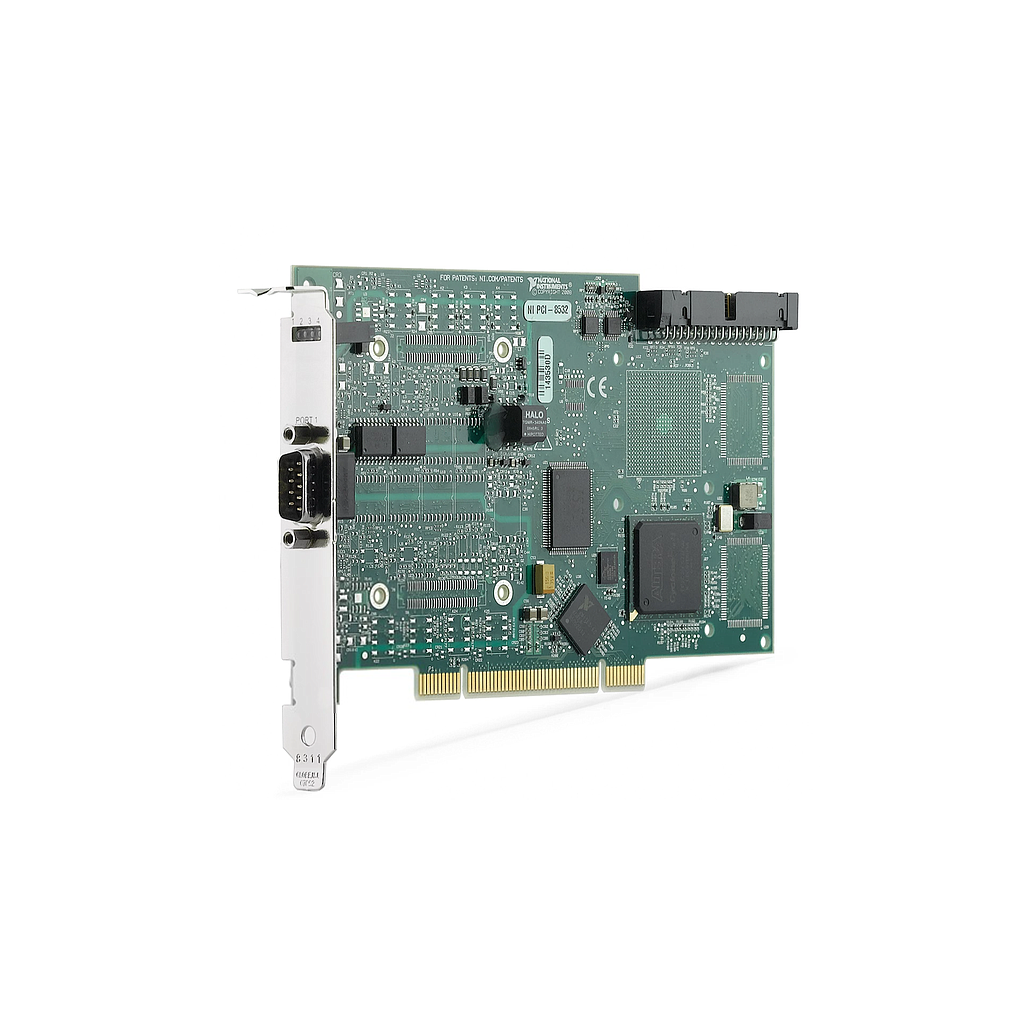
A representative product here is the NI PCI-8532 DeviceNet Interface (1 Port). As its name indicates, it is a DeviceNet interface designed for a PCI-based system and provides a single communication port for connection within that network environment.
This type of interface is relevant when a computer needs direct access to an industrial bus for monitoring, command exchange, or integration with application software. Rather than replacing the broader control system, it serves as a focused communication component inside a larger automation or validation workflow.
How to choose the right industrial communication bus interface
Selection should start with the actual network used by the equipment in your plant, machine, or test setup. Protocol compatibility is usually the first filter, followed by system architecture considerations such as host interface format, required channel count, and the role of the device in the application.
It is also important to define whether the interface will be used mainly for data monitoring, command and response exchange, diagnostics, or a more integrated control strategy. In some projects, communication hardware only needs to collect status data. In others, it must operate as part of a broader automation integration framework that includes synchronized measurements, logic handling, and software-driven analysis.
Considering the wider NI data acquisition and control ecosystem
Industrial communication does not exist in isolation. Many real systems combine network interfaces with analog and digital measurement functions so that engineers can observe both communication-level events and process-level variables in the same project.
Depending on the application, it may be useful to review related product groups such as voltage measurement or current measurement. This broader view is often helpful when building a complete test, monitoring, or machine interface solution rather than selecting a bus card alone.
What engineers typically look for in this category
Buyers in B2B and technical procurement roles usually want confidence in three areas: compatibility with the required network, suitability for the target host platform, and fit within the intended software and hardware environment. These concerns are especially relevant when the communication interface must work alongside existing NI-based systems.
Beyond the hardware itself, teams often evaluate how easily the device can be incorporated into commissioning, troubleshooting, and long-term maintenance workflows. A well-matched interface can simplify access to field data, reduce integration friction, and support more transparent operation across connected equipment.
Final considerations before selecting a solution
Choosing from this category is ultimately about connecting industrial networks to useful engineering outcomes. Whether the goal is machine communication, diagnostic visibility, or integration with a PC-based control and measurement platform, the right interface should match the bus standard, the host environment, and the role it needs to perform.
If your application depends on stable access to field-level communication, this category provides a practical starting point for building a more connected data acquisition and control system. Reviewing the network requirements first, then aligning them with the wider NI hardware ecosystem, will usually lead to a more effective and maintainable implementation.
Get exclusive volume discounts, bulk pricing updates, and new product alerts delivered directly to your inbox.
By subscribing, you agree to our Terms of Service and Privacy Policy.
Direct access to our certified experts