Adapters
Reliable signal paths and instrument connections often depend on small components that are easy to overlook. In test benches, telecom labs, and field measurement setups, the right adapters help bridge connector differences, maintain measurement integrity, and simplify integration between cables, fixtures, and instruments.
This category brings together adapter solutions used across RF interconnection, telecom measurement, and instrument accessories. Whether the need is a coaxial transition between connector types, a fixture adapter for resistance testing, or a power and wireless accessory for portable instruments, choosing the correct part can reduce setup issues and support more consistent results.
Where adapters fit in telecom and electronic measurement
In technical environments, adapters are not all the same. Some are used for RF connector conversion between standards such as SMA, N, and BNC, while others are designed as instrument-specific accessories that support power, communication, or test fixtures. This makes the category relevant not only to telecom applications, but also to broader electronic measurement workflows.
For high-frequency signal routing, the role of an adapter is to connect unlike interfaces without introducing unnecessary mismatch. In measurement systems, an adapter may also support safer setup, easier cable management, or compatibility between an instrument and a dedicated fixture. That is why buyers typically evaluate both connector compatibility and the intended measurement environment before selecting a part.
Common adapter types in this category
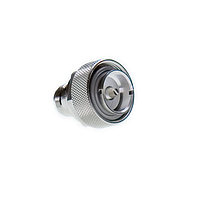
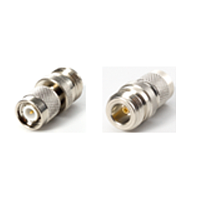
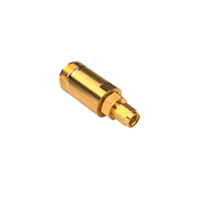
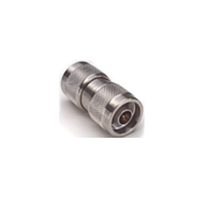
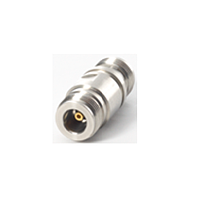
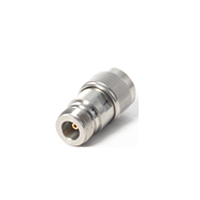
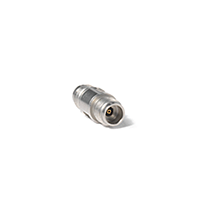
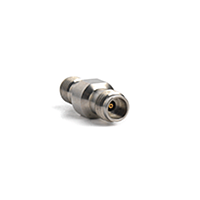
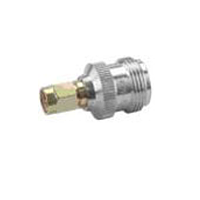
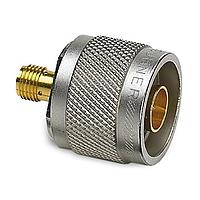
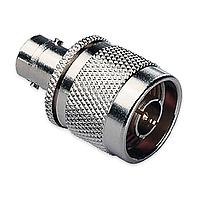
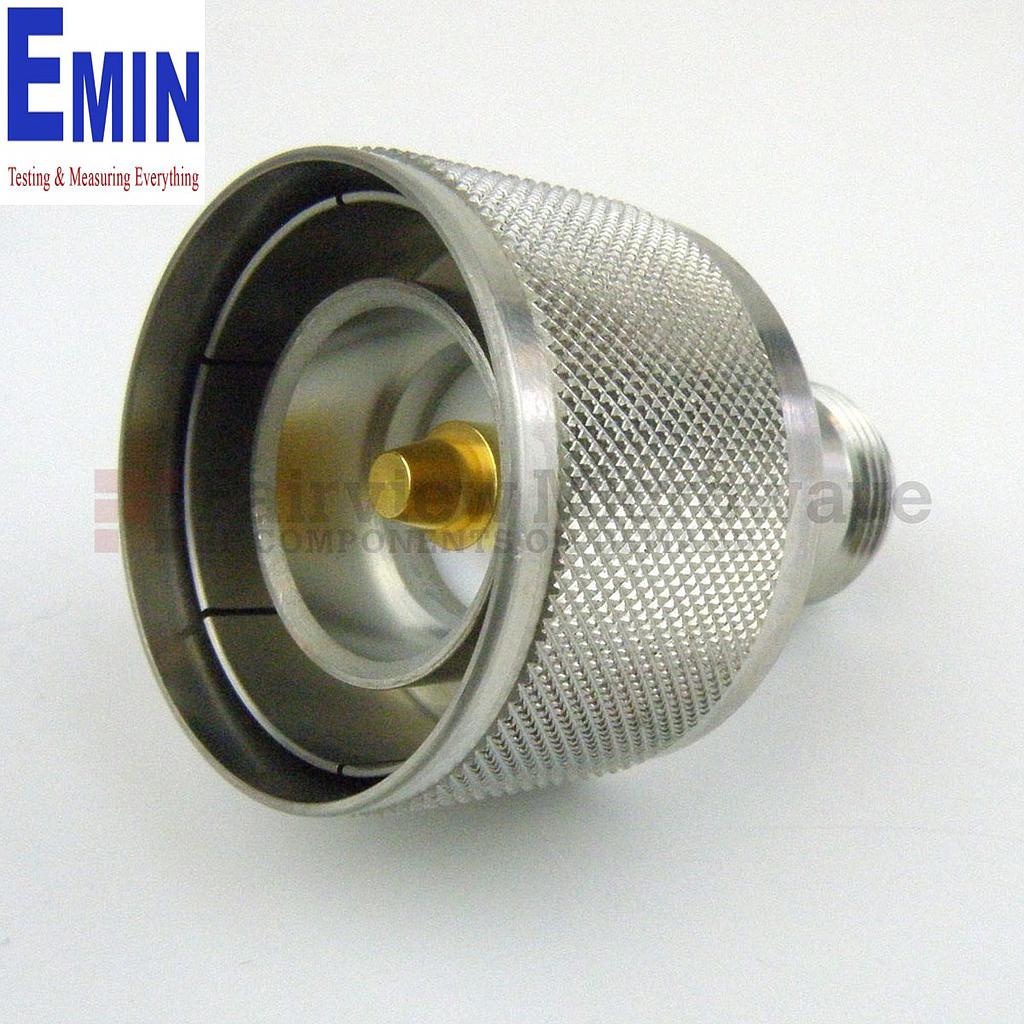
A large portion of the range is centered on coaxial adapters for RF and microwave work. These are commonly used to interconnect test equipment, antennas, analyzers, cables, and telecom components that do not share the same connector format. Examples in this category include transitions such as Type-N to SMA and Type-N to BNC, as well as same-interface adapters for extending or reconfiguring connections.
Representative products include the KEYSIGHT N9311X-545 Adapter for Type-N(f) to SMA(m), the KEYSIGHT N9311X-541 Adapter for Type-N(m) to SMA(f), and the KEYSIGHT N9311X-540 Adapter for Type-N(m) to BNC(f). For broader interconnection needs, Mini-Circuits SM-SM50+ supports SMA-M to SMA-M connections, while Mini-Circuits NM-SF50+ provides N-MALE to SMA-F conversion in RF setups.
Other items in the category serve a more application-specific role. The KEYSIGHT N1413A High Resistance Meter Fixture Adapter is intended for test fixture integration, the FLUKE BC430/830 Power Adapter supports instrument power requirements, and the HIOKI Z3210 wireless adapter extends communication functions for compatible devices.
Selection factors that matter in practice
The first step is always connector matching. Users should confirm both interface type and gender, especially in mixed setups where instrument ports, cables, and accessories come from different equipment families. A mismatch at this stage can stop installation completely, but even a physically compatible connection may not be ideal if the application frequency exceeds the adapter's intended range.
Frequency range is especially important in RF testing. Products shown here cover applications from low-frequency measurement up to high-frequency telecom and microwave work, with examples reaching 12.4 GHz or 18 GHz depending on the model. In these environments, parameters related to signal quality, such as return loss behavior or VSWR, can directly affect measurement confidence.
Mechanical construction also matters. Stainless steel bodies and rugged connector designs are often preferred in repeated lab use, production testing, and field service because they help withstand regular mating cycles. For instrument accessories, buyers should also check compatibility with the exact device family, as some adapters are designed for specific models rather than universal use.
Examples from leading manufacturers
This category includes solutions from established brands used in industrial and laboratory environments. KEYSIGHT appears prominently with several RF adapter options and fixture-related accessories, making it relevant for users working with analyzers, power sensors, and specialized test setups.
Mini-Circuits is well known for RF interconnection components, and the examples listed here reflect that role with practical coaxial adapter formats for cable and equipment transitions. For portable measurement workflows, HIOKI and FLUKE contribute adapter accessories tied more closely to instrument usability, while Chauvin Arnoux offers a model intended for use with compatible earth and resistance test equipment.
This range of manufacturers is useful because adapter requirements are often split between two buying patterns: universal connector conversion and brand-specific instrument compatibility. Understanding which type of requirement applies can shorten procurement time and reduce ordering errors.
How adapters support a complete telecom measurement setup
Adapters are rarely selected in isolation. In many systems, they sit alongside related RF building blocks such as power divider components for signal distribution, or isolator solutions used to improve port protection and manage reflections in sensitive RF chains.
Depending on the architecture, users may also work with switching and signal-conversion components beyond the adapter itself. For example, applications involving routing between paths or equipment states may benefit from exploring telecommunication switches. Looking at the adapter in the context of the full signal path usually leads to better decisions than focusing on connector format alone.
Typical application scenarios
In RF labs, adapters are often used to connect instruments with different native ports during verification, calibration support, troubleshooting, or temporary bench reconfiguration. A Type-N to SMA adapter can help link analyzers, sensors, or cable assemblies without replacing existing infrastructure, while same-type adapters can resolve gender mismatches quickly.
In service and maintenance environments, portable instrument accessories are equally important. A wireless adapter such as the HIOKI Z3210 can help transfer readings and support reporting workflows, while a dedicated power adapter ensures that handheld or transportable instruments remain ready for use. In specialized electrical measurement, fixture adapters simplify the connection between the meter and the device under test.
Choosing with fewer compatibility issues
For B2B buyers, the most efficient approach is to start with the application, then narrow by interface and device compatibility. If the adapter will carry RF signals, verify connector type, gender, impedance where relevant, and operating frequency. If it is an instrument accessory, confirm the supported model family and the exact role of the accessory in the workflow.
It is also worth considering whether the adapter will be part of a permanent setup or used as a flexible bench accessory. Repeated use, field handling, and frequent reconnection can make durable construction and trusted manufacturer compatibility more important than a simple one-time connector match.
Final thoughts
The right adapter helps keep measurement systems practical, connected, and dependable. From RF connector transitions to instrument-specific accessories, this category supports a wide range of telecom and electronic test needs without adding unnecessary complexity to the signal chain.
If you are comparing options, focus on the actual connection problem you need to solve: connector conversion, frequency coverage, instrument compatibility, or workflow support. That approach makes it easier to identify an adapter that fits the application cleanly and performs as expected in day-to-day technical use.
Get exclusive volume discounts, bulk pricing updates, and new product alerts delivered directly to your inbox.
By subscribing, you agree to our Terms of Service and Privacy Policy.
Direct access to our certified experts