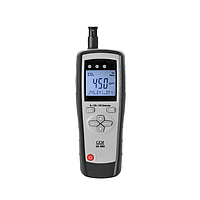
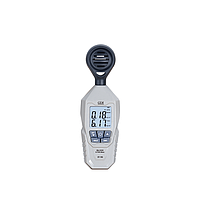
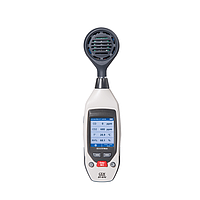
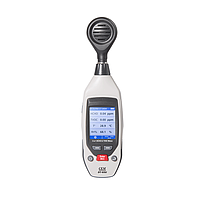
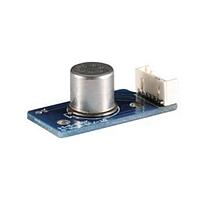
Multi gas detector
Gas hazards rarely come from a single source. In confined spaces, process areas, utilities, wastewater systems, and field maintenance work, teams often need to check oxygen balance, combustible gases, and toxic compounds at the same time. That is why a multi gas detector is a practical choice for daily safety checks, pre-entry testing, and portable monitoring across many industrial environments.
On this page, you can explore handheld and portable instruments designed for simultaneous gas measurement, along with replacement sensors and configurable platforms for different detection tasks. The range includes compact 4-gas units, advanced pump-type detectors, and sensor-based systems that can be adapted to specific applications.
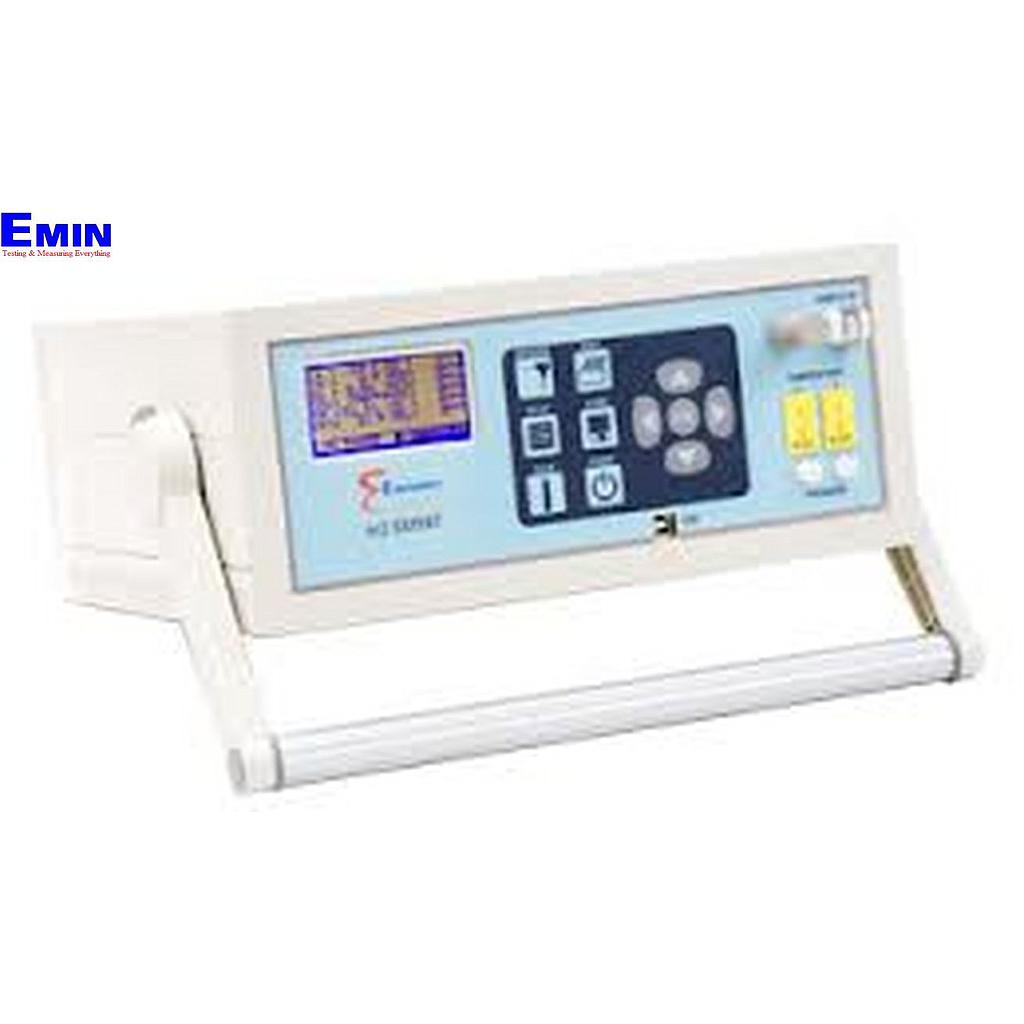
Where multi-gas detection is typically used
Portable multi-gas instruments are commonly selected for workplaces where atmosphere conditions can change quickly or where several gas risks may exist at once. Typical use cases include confined space entry, maintenance shutdowns, leak investigation, tank inspection, utility tunnels, landfill monitoring, marine work, and emergency response.
In these situations, one device may need to track oxygen, combustible gas, and toxic gas exposure together rather than relying on separate instruments. For fixed-point or continuous site monitoring, users may also compare portable detectors with air and gas transmitters depending on whether the need is personal protection, spot checking, or permanent installation.
Common gas types and sensor technologies
A typical multi-gas configuration focuses on four core parameters: O₂, LEL, CO, and H₂S. Depending on the model, users may expand beyond this standard setup to include VOCs, CO₂, NH₃, SO₂, Cl₂, O₃, or other application-specific gases. The right configuration depends on the process, expected contaminants, and the required measuring principle.
These detectors often combine several sensor technologies in one handheld platform. Electrochemical sensors are widely used for oxygen and many toxic gases, catalytic or infrared sensing can be used for combustible gas measurement, and PID options may be added for VOC screening. If the focus is broader environmental monitoring rather than portable personal safety, related products such as air quality sensors may also be relevant.
Choosing between diffusion and pump-type instruments
One of the first selection points is sampling method. Diffusion-type detectors are suitable for personal monitoring when the device can be worn close to the breathing zone and ambient air naturally reaches the sensors. They are often preferred for everyday plant operation because they are compact, simple to use, and easy to carry during a full shift.
Pump-suction models are better suited to remote sampling, pre-entry checks, or locations that cannot be approached directly. Instruments such as the Riken Keiki GX-9000 and GX-6100 illustrate this type of use, with pump-based sampling designed for confined spaces and more demanding field inspection. Some advanced devices also support long sampling hoses, which is useful when testing pits, ducts, tanks, or underground chambers before entry.
Examples from leading manufacturers
This category includes products and accessories from established manufacturers such as Drager, Honeywell, Riken Keiki, and COSMOS. Each brand approaches portable gas detection slightly differently, with variations in sensor architecture, durability, communication features, alarm handling, and supported gas combinations.
For example, the Honeywell BW Ultra is positioned for multi-gas monitoring with visual, audible, and vibrating alarms, onboard logging, and support for common industrial gases including O₂, LEL, H₂S, CO, and VOC-related measurement. The Drager X-am 2500 is a compact portable option for standard personal protection tasks, while the Drager X-am 8000 main unit supports a more configurable platform for broader sensor combinations. In the Riken Keiki range, the GX-6100 and GX-9000 are notable when users need pump sampling and multi-gas flexibility in field work.
Replacement sensors and modular system planning
Not every item in this category is a complete detector. Some products are replacement sensors or dedicated sensing modules used to maintain or configure an existing gas detection platform. This is important for buyers managing fleets of instruments, since long-term ownership often involves sensor replacement, calibration scheduling, and matching the correct sensor to the main unit.
Examples include the COSMOS OS-5 Sensor for the XA-4400 II platform, the Honeywell MCXL-XWHM-Y-OE oxygen sensor, and Drager sensor options such as the XXS E O2 electrochemical sensor, XXS E H2S sensor, PID modules, and dual IR Ex/CO2 sensing for the X-am 8000 family. When reviewing products, it is helpful to confirm whether you need a complete detector, a main unit without sensors, or a specific replacement component for an installed fleet.
What to check before selecting a model
For B2B purchasing, the most useful comparison points usually go beyond the number of gases. Consider the target gas list, expected concentration range, alarm requirements, ingress protection, battery runtime, and whether your workflow requires diffusion or pumped sampling. Data logging, Bluetooth or USB connectivity, and app-based setup can also matter when records or fleet management are part of the process.
Environmental conditions should not be overlooked. If the detector will be used in wet, dusty, or outdoor areas, enclosure rating and operating temperature range become more important. Some users may also need a configurable detector that supports future sensor changes rather than a fixed 4-gas unit. In application workflows involving test aerosols or validation procedures, related equipment such as an aerosol generator may also appear elsewhere in the broader measurement setup.
Calibration, bump testing, and service considerations
A gas detector is only useful when its readings can be trusted. Regular bump testing confirms that the sensors and alarm system respond properly, while calibration helps maintain measurement accuracy over time. The right interval depends on manufacturer guidance, site policy, frequency of use, and the severity of the environment.
Sensors are consumable components, and service life can vary based on gas exposure, storage conditions, temperature, and humidity. Battery management also affects daily usability, especially in shift-based operations. For that reason, many buyers look not only at the detector itself but also at the availability of replacement sensors, accessories, and maintenance support over the product lifecycle.
Finding the right fit for your application
The best choice usually comes from matching the detector to the task rather than choosing the most complex configuration. A standard 4-gas portable unit may be enough for routine personal protection, while confined-space entry, VOC screening, or remote sampling can justify a pump-equipped or modular platform. Reviewing the gas list, sampling method, and service plan early will make selection much easier.
This category brings together complete instruments and compatible sensor options for a wide range of industrial gas monitoring needs. If you are comparing portable detectors for site safety, shutdown work, maintenance inspection, or fleet replacement, use the available models here to narrow down the right balance of gas coverage, portability, and maintainability.
Get exclusive volume discounts, bulk pricing updates, and new product alerts delivered directly to your inbox.
By subscribing, you agree to our Terms of Service and Privacy Policy.
Direct access to our certified experts