Aerosol Generators
Reliable filter integrity testing depends on more than the photometer alone. In many cleanroom, pharmaceutical, healthcare, and controlled-environment applications, the challenge starts with producing a stable upstream challenge aerosol that supports repeatable leak testing and meaningful results. That is where Aerosol Generators fit into the validation workflow.
On this page, you can explore equipment and related accessories used in aerosol-based filter testing systems, especially for HEPA and similar high-efficiency filtration applications. These products are often selected as part of a broader contamination-control setup alongside instruments such as an air particle counter or other environmental monitoring devices, depending on the process and compliance requirements.
How aerosol generators support filter leak testing
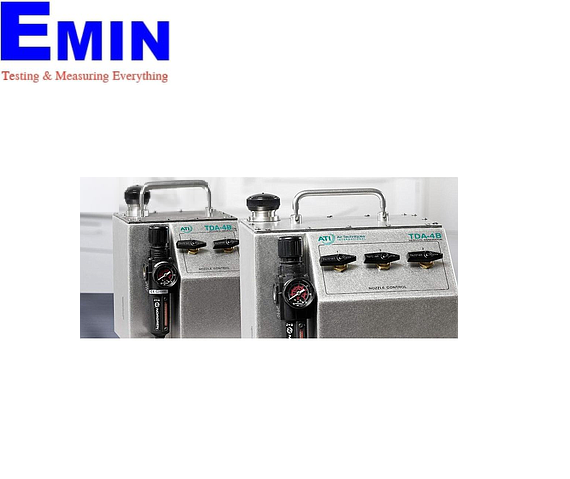
An aerosol generator is used to create a controlled concentration of challenge aerosol upstream of the filter being tested. When paired with a photometer, the generated aerosol helps operators evaluate whether a HEPA or similar filter has leaks, poor sealing, or installation issues that could affect containment performance.
In practical terms, the generator is only one part of the test chain. The overall setup may also include aerosol reagent, scanning accessories, and reporting tools. For users building or maintaining a complete system, it is often helpful to consider how the generator will integrate with downstream detection, documentation, and maintenance procedures.
Typical products and accessories in this category
This category includes not only the aerosol generation side of the system, but also supporting items that are commonly used in the same testing environment. For example, ATI is a well-known manufacturer in this field, and several representative products help illustrate how the ecosystem is structured.
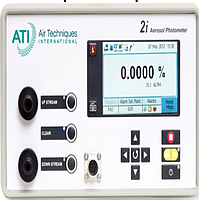
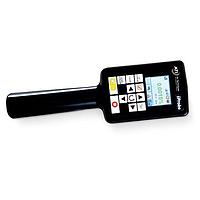
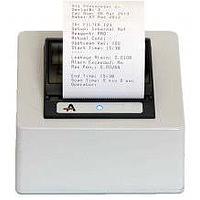
The ATI 2i Digital Aerosol Photometer is a core instrument for measuring aerosol concentration during filter integrity testing. Around that main device, accessories such as the ATI iProbe Mobile transducer can support remote sampling and scanning tasks, while the ATI 2i Printer provides hard-copy output for documentation. Consumables like ATI T000-1075 PAO oil are also essential, since the quality and suitability of the test aerosol medium directly affect the testing process.
Why reagent choice matters
In aerosol-based leak testing, the reagent is not a minor detail. Oils and other approved media are used to produce the aerosol challenge, and the selected substance must match the testing method, the instrument compatibility, and the site’s procedures. A product such as ATI T000-1075 PAO oil is relevant here because PAO is widely used in filter integrity applications where a clean, controllable aerosol source is needed.
When comparing options, buyers typically look at practical factors such as handling, compatibility with the generator and photometer, and consistency in day-to-day use. Rather than focusing only on the generator hardware, it is important to evaluate the complete testing workflow, including consumables, sampling accessories, and reporting requirements.
Selection factors for aerosol generator systems
Choosing the right setup depends on how and where the equipment will be used. In fixed cleanroom validation routines, users may prioritize stable aerosol output, straightforward operation, and compatibility with established photometer-based procedures. In mobile service or field testing scenarios, portability and ease of setup may become more important.
It is also worth checking how the generator-related equipment fits into the rest of the monitoring environment. Some facilities use aerosol leak testing alongside broader airborne contamination programs that may include a particle counter, continuous dust monitoring, or indoor air assessment tools. The right purchasing decision often depends on whether the need is occasional certification, routine maintenance, or a fully documented quality-control process.
Supporting tools for efficient test execution
Beyond the main instrument, supporting accessories can make a measurable difference in workflow efficiency. The ATI iProbe Mobile transducer, for example, is designed to assist remote sampling and scan-point selection, which can be useful when working across larger filter banks or hard-to-reach test locations. These accessories help reduce manual complexity and improve the consistency of the testing routine.
Documentation is another area that should not be overlooked. The ATI 2i Printer is intended for use with the HEPA 2i filter leakage monitor, supporting on-site recordkeeping where printed summaries are still required. In regulated sectors, having practical reporting options can simplify maintenance logs, internal audits, and service documentation.
Where aerosol generators are commonly used
Aerosol generation and photometer-based leak testing are commonly associated with cleanrooms, biosafety cabinets, pharmaceutical production areas, hospitals, and other controlled spaces where filter performance must be verified. In these environments, the purpose is not simply measuring airborne particles in general, but confirming that the filtration barrier itself is functioning as intended.
That distinction is important. If the goal is general airborne cleanliness monitoring, users may be better served by tools in categories such as indoor air quality meters or particle counting instruments. Aerosol generators, by contrast, are typically part of a targeted filter integrity testing method rather than a broad ambient air survey.
Building a complete testing workflow
For many buyers, the best results come from thinking in terms of a system rather than an individual device. A practical workflow may include an aerosol source, the appropriate reagent, a photometer for measuring penetration or leakage, optional remote probes, and a method for documenting results. Looking at the category this way makes it easier to identify what is already available on site and what still needs to be added.
If you are comparing solutions, it helps to start with the test method and operating environment first: what filters are being tested, how often validation is performed, whether portability is required, and what level of reporting is expected. From there, it becomes much easier to select the right combination of generator-related products and accessories without over-specifying the system.
Final considerations
A well-matched aerosol generation setup supports repeatable testing, clearer troubleshooting, and more reliable filter verification across controlled environments. Whether you are sourcing consumables such as PAO oil, looking for accessories that improve scanning and reporting, or evaluating a broader ATI-based testing system, the key is to choose components that work together within your actual operating procedure.
Explore the products in this category to find aerosol testing equipment and related accessories that align with your cleanroom, laboratory, or facility validation requirements.
Get exclusive volume discounts, bulk pricing updates, and new product alerts delivered directly to your inbox.
By subscribing, you agree to our Terms of Service and Privacy Policy.
Direct access to our certified experts