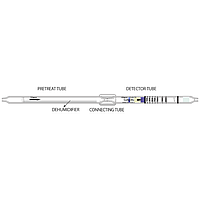
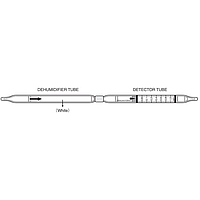
GASTEC- Gas Detector Tubes
When fast on-site gas screening matters, colorimetric detector tubes remain a practical choice for maintenance teams, safety staff, laboratories, and industrial users. This category focuses on GASTEC- Gas Detector Tubes for spot measurements in air, where a simple hand-pump method can help identify target gases without the complexity of a fixed monitoring system.
These tubes are widely used for workplace exposure checks, process-area inspections, confined-space preparation, and troubleshooting unusual odors or suspected leaks. For many B2B users, the value lies in direct-reading operation, clear gas-specific selection, and the ability to perform measurements quickly in the field.
Where gas detector tubes fit in air monitoring
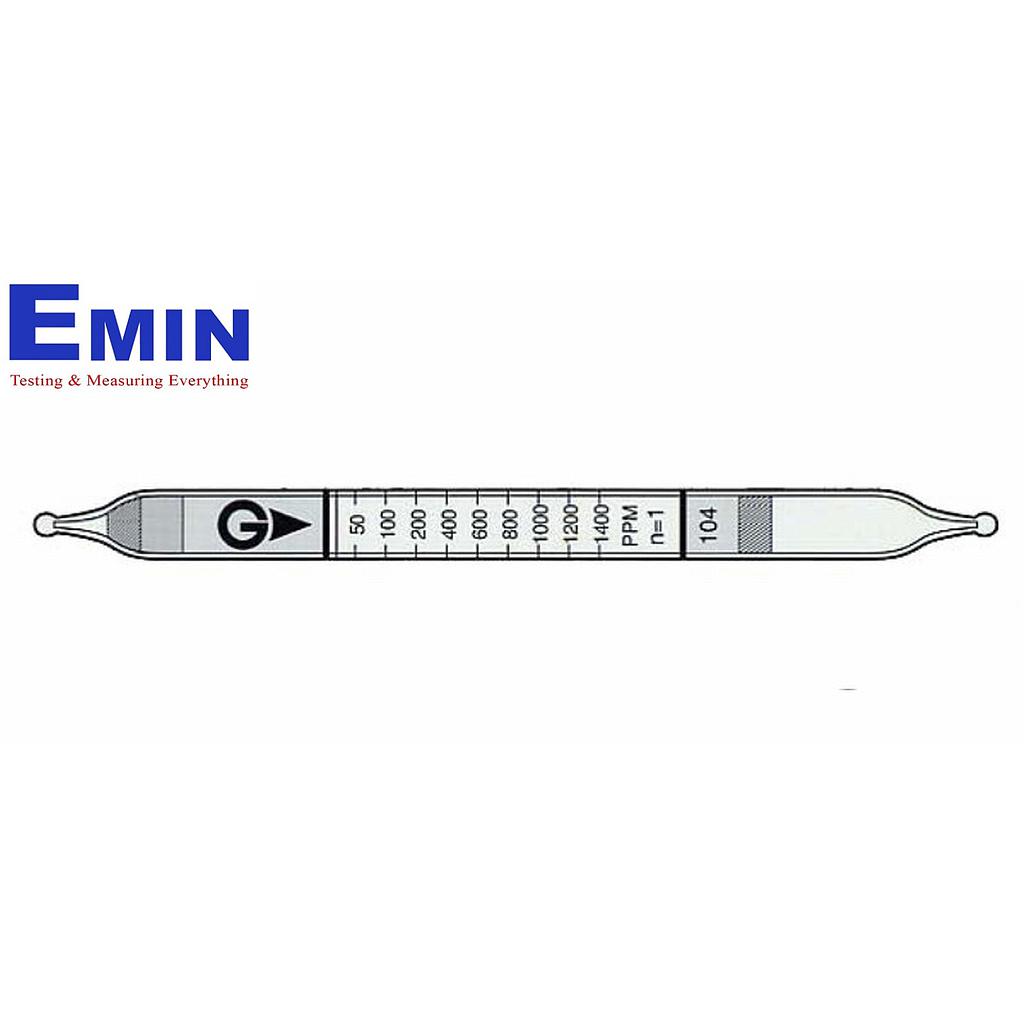
Detector tubes are designed for instantaneous or short-duration gas measurement rather than continuous long-term monitoring. A tube is matched to a specific gas or vapor, connected to a compatible manual pump, and read based on the visible color change after a defined sample volume has passed through it.
This makes them useful in situations where users need a quick indication before deeper investigation. In broader environmental and workplace monitoring programs, detector tubes often complement other tools such as air quality sensors or air and gas transmitters, especially when a single target compound must be checked directly at the point of concern.
Typical applications across industry
Gas detector tubes are commonly used in manufacturing plants, warehouses, water and wastewater facilities, chemical handling areas, and general occupational hygiene checks. They are well suited to maintenance inspections, ventilation verification, pre-entry checks, and source identification near process equipment.
Depending on the selected tube, users can check substances associated with solvents, acids, aldehydes, sulfur compounds, or inorganic gases. For example, ammonia, hydrogen sulphide, phosphine, formaldehyde, and carbon dioxide may all require different measurement approaches, so choosing the correct tube type is essential for meaningful results.
Examples available in this category
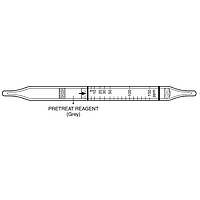
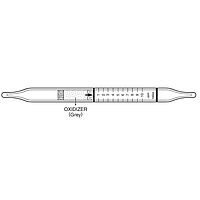
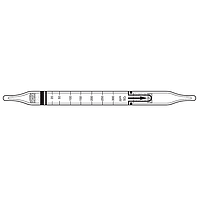
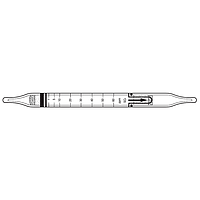
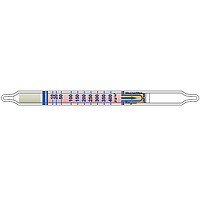
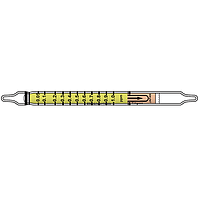
The product range includes gas-specific options from Gastec, a well-known manufacturer of detector tubes and manual sampling systems. Representative items in this category include the Gastec 3L Quick-measuring Detector tubes for Ammonia NH3, the Gastec 4LK for Hydrogen sulphide H2S, the Gastec 7LA for Phosphine PH3, and the Gastec 91LL for Formaldehyde HCHO.
There are also application-focused choices for organic compounds and acidic vapors, such as the Gastec 92L tube for Acetaldehyde CH3CHO and the Gastec 81L tube for Acetic acid CH3CO2H. These examples show how the category supports targeted measurements rather than a one-size-fits-all method.
How detector tubes work in practice
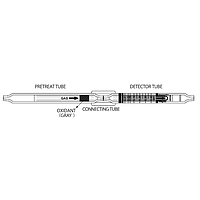
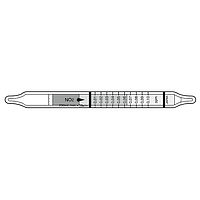
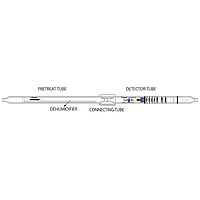
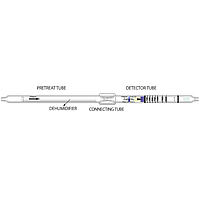
Most gas detector tubes in this category use a reagent layer that changes color when exposed to the target substance. The user breaks the tube ends, connects it to the specified pump, draws the required number of strokes, and then reads the stain length or calibrated scale according to the product instructions.
Several practical variables influence the result, including sampling time, number of pump strokes, concentration range, and in some cases temperature correction. Because these are gas-specific consumables, the tube selection must match the target analyte and the expected concentration range in the application.
For field teams, this approach offers a good balance between portability and selectivity. It is especially useful where power supply is limited, mobility is important, or the measurement task is occasional rather than continuous.
What to consider when selecting the right tube
The first step is identifying the gas or vapor you need to measure. After that, review the expected concentration level and confirm that the tube range is appropriate. A tube intended for low-level formaldehyde screening, for example, serves a different purpose than one intended for higher-range alcohol or carbon dioxide checks.
Sampling method is also important. Some tubes require one pump stroke, while others use multiple strokes to improve low-range detection. Users should also check whether a compatible pump model is specified and whether operating temperature or correction tables are relevant to the task.
- Target gas: each tube is designed for a specific substance.
- Measurement range: select a range that matches the expected field concentration.
- Sampling time: shorter or longer test times may affect workflow.
- Pump compatibility: confirm the required manual pump type.
- Use environment: temperature and site conditions can affect interpretation.
Gastec and related detector tube options
Although this page centers on Gastec detector tubes, some buyers may also compare alternatives from Kitagawa when reviewing available gas-specific ranges and reading formats. In the broader catalog, examples include detector tubes for isopropyl alcohol, carbon dioxide, 2-Butanol, isobutyl acetate, and N,N-Dimethyl formamide.
That comparison can be helpful for procurement teams standardizing consumables across different plants or test routines. The most important point is not the brand alone, but whether the tube matches the gas, range, workflow, and pump setup already used by the site.
When to use detector tubes instead of other instruments
Detector tubes are often preferred when users need a quick field check, a portable method, or a simple way to confirm the presence and approximate concentration of a known gas. They can also support preliminary investigation before moving to more permanent or continuous instruments.
For broader ambient monitoring, leak trend observation, or building automation integration, other technologies may be more suitable. In those cases, users may also explore categories such as transmitters for continuous gas measurement. If the application involves aerosol-based testing or validation work, an aerosol generator may be relevant in a different measurement workflow.
Practical buying guidance for B2B users
For industrial purchasing, it is usually best to start with the measurement objective: compliance screening, maintenance troubleshooting, laboratory verification, or safety preparation. From there, narrow the selection by gas type, expected concentration, testing frequency, and the sampling equipment already available on site.
If your team needs repeatable spot checks for a defined list of gases, keeping the correct detector tube references in stock can simplify routine inspections and reduce downtime during unexpected events. A well-matched selection of tubes helps maintenance, EHS, and operations teams respond faster with a method that is straightforward to deploy in the field.
Choosing the right detector tube is ultimately about fit: the right gas, the right range, and the right sampling procedure for the task. This category brings together Gastec gas detector tube options for practical air measurement work, making it easier to find suitable consumables for targeted on-site testing and day-to-day industrial monitoring.
Get exclusive volume discounts, bulk pricing updates, and new product alerts delivered directly to your inbox.
By subscribing, you agree to our Terms of Service and Privacy Policy.
Direct access to our certified experts