
Electrical Calibrator Calibration Service
Accurate sourcing, simulation, and measurement depend on a calibrator that performs exactly as intended. In laboratories, maintenance teams, and production environments, even small deviations in voltage, current, or resistance output can affect test results, verification routines, and traceability. A professional Electrical Calibrator Calibration Service helps keep these instruments dependable for day-to-day work and for quality systems that require documented performance.
This category is intended for organizations using electrical calibrators in test benches, field service, inspection workflows, and metrology-related tasks. Whether the equipment is used to verify multimeters, loop instruments, panels, controllers, or other electrical devices, periodic calibration supports confidence in measurement results and helps reduce uncertainty in critical processes.
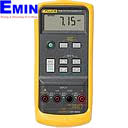
Why electrical calibrator calibration matters
Electrical calibrators are often used as reference instruments to generate or verify known electrical values. When the calibrator itself drifts over time, that error can propagate through inspections, maintenance decisions, and product testing. Regular calibration is therefore not only about the instrument’s condition, but also about the reliability of the wider measurement chain.
For many users, calibration service is part of a broader asset management strategy. It helps confirm that the instrument remains suitable for its intended range and application, while also providing documentation that can support internal quality procedures. If your workflow also includes related service needs for other instrument types, you may want to review process signal calibrator calibration service for complementary applications.
Typical instruments covered in this category
This category focuses on calibration services for electrical calibrators used to source, simulate, or verify electrical parameters in maintenance and test environments. These instruments may be used in electronics, industrial control, utilities, service centers, and calibration labs where stable electrical output is essential for checking other equipment.
Examples in this category include service options for well-known brands such as FLUKE, Fluke (Calibration), HIOKI, KEITHLEY, KEYSIGHT, YOKOGAWA, METRIX, SANWA, PCE, and Chauvin Arnoux. Representative listings include Fluke Electric Calibrator Calibration Service, FlukeCal Electric Calibrator Calibration Service, Hioki Electric Calibrator Calibration Service, and Yokogawa Electric Calibrator Inspection Service. These examples help illustrate the scope of supported brands without limiting the category to only one manufacturer ecosystem.
What to consider when selecting a calibration service
The right service choice depends on how the calibrator is used, how often it is handled in the field, and how critical its output is to downstream measurements. In practice, users usually look at factors such as calibration interval, required documentation, application criticality, and whether the instrument is part of a regulated or tightly controlled quality environment.
It is also useful to align service planning with your actual workload. A calibrator used frequently in production support or field verification may need closer attention than one used only occasionally in a controlled lab setting. When the instrument is part of a broader electrical verification workflow, pairing this service with tachometer calibrator calibration service or other adjacent service categories can simplify maintenance planning across multiple device types.
Brand coverage and service examples
Many organizations standardize on specific brands to match existing procedures, accessories, or internal competency. This category includes service examples for instruments from manufacturers widely used in electrical measurement and calibration environments, including FLUKE, HIOKI, KEITHLEY, KEYSIGHT, YOKOGAWA, METRIX, SANWA, PCE, and Chauvin Arnoux.
Typical examples include METRIX Electric Calibrator Calibration Service, Keithley Electric Calibrator Calibration Service, SANWA Electric Calibrator Calibration Service, PCE Electric Calibrator Calibration Service, and Chauvin Arnoux Electric Calibrator Calibration Service. Mentioning these services is useful for buyers who search by brand first, but the broader goal remains the same: maintaining measurement confidence and consistent instrument performance over time.
How calibration supports quality, maintenance, and traceability
In industrial and laboratory environments, electrical calibrators are often used to verify other instruments, making them especially important from a traceability perspective. If the calibrator output is not known with confidence, the status of the instruments checked against it may also become uncertain. Regular service helps reduce that risk and supports more defensible maintenance decisions.
Calibration records also make it easier to manage service intervals, compare instrument performance over time, and identify equipment that may require closer review. For organizations maintaining multiple calibration assets, this category can sit alongside dry block and bath calibrator calibration service or pressure comparator calibration service as part of a more complete calibration support structure.
Common use cases for electrical calibrators
Electrical calibrators are used across a wide range of practical tasks: checking handheld meters, supporting maintenance teams during troubleshooting, verifying control signals, and confirming instrument response during commissioning or periodic inspection. Their role can vary from simple simulation work to more structured verification in a metrology or QA setting.
Because these instruments often bridge the gap between field work and formal calibration processes, their condition matters to both technicians and quality managers. A calibrator that is routinely transported, connected to multiple systems, or used in demanding environments may experience wear or drift differently from one kept on a bench in a stable lab. That is why service planning should reflect actual operating conditions rather than relying on a generic schedule alone.
Choosing the right service path for your equipment fleet
For companies with multiple brands in service, a category-based approach makes procurement and maintenance coordination easier. Instead of managing each instrument type separately, buyers can review service options in one place and align them with internal equipment registers, shutdown schedules, or annual quality planning.
This is especially helpful when a site uses a mixed fleet of calibrators from FLUKE, Fluke (Calibration), KEITHLEY, HIOKI, YOKOGAWA, or other established brands. By organizing service needs around the function of the instrument, teams can build a more consistent calibration program and maintain better visibility over due dates, service history, and critical assets.
Support consistent performance across your calibration workflow
A well-managed calibration program starts with confidence in the instruments used as references and sources. This category brings together service options for electrical calibrators used in technical, industrial, and laboratory settings, helping buyers find relevant solutions for the brands and workflows they already rely on.
If your operation depends on stable electrical output, repeatable verification, and documented instrument status, regular calibration service is a practical step toward maintaining reliable test results. Use this category to identify suitable service options for your electrical calibrators and to support a more consistent, traceable maintenance process across your equipment fleet.
Get exclusive volume discounts, bulk pricing updates, and new product alerts delivered directly to your inbox.
By subscribing, you agree to our Terms of Service and Privacy Policy.
Direct access to our certified experts
