Mechanical Calibrator Calibration Service
Consistent mechanical measurement depends on more than having the right instrument on the bench. Over time, wear, handling, environmental conditions, and regular use can gradually affect the performance of calibration devices used to verify dimensional and mechanical parameters. A reliable Mechanical Calibrator Calibration Service helps maintain confidence in test results, supports traceable quality processes, and reduces the risk of measurement drift affecting production or inspection decisions.
For manufacturers, laboratories, maintenance teams, and quality departments, this service is especially relevant when mechanical calibration equipment is part of routine verification work. Whether the priority is dimensional control, workshop verification, or maintaining documented quality systems, periodic calibration helps ensure that the calibrator itself remains suitable for the job.
Why calibration matters for mechanical calibration equipment
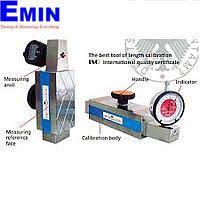
Mechanical calibration equipment is often used as a reference point for checking other instruments, fixtures, or measuring setups. When that reference is no longer performing within expected limits, errors can spread through the wider inspection process. In practical terms, that can lead to failed audits, unnecessary product rejection, or uncertainty in measurement records.
A structured calibration service helps verify the condition and performance of the equipment under controlled procedures. This is important in environments where repeatability, documented inspection routines, and measurement consistency are part of normal operations. It is also a sensible preventive step before issues become visible in downstream quality data.
Where this service fits in industrial workflows
Mechanical calibrator calibration is commonly relevant in production quality control, metrology rooms, maintenance workshops, and service organizations that regularly verify measuring tools. These settings often rely on calibration equipment to support dimensional checks, alignment tasks, comparative measurement, or routine instrument verification.
In many facilities, mechanical calibration is only one part of a broader instrument maintenance program. Teams that also manage electrical, process, or thermal verification may review related services such as electrical calibrator calibration when building a complete calibration schedule across departments.
Typical reasons to schedule mechanical calibrator calibration
The most common driver is periodic maintenance based on internal procedures, quality standards, or historical service intervals. Even when equipment appears to be functioning normally, calibration can confirm continued suitability and provide documented evidence for internal and external review.
Other common reasons include equipment that has been moved, exposed to heavy use, stored for long periods, or returned to service after repair. Calibration is also advisable when users notice inconsistent readings, unexplained variation, or uncertainty when comparing results against known references. In these cases, measurement traceability becomes a key concern rather than a paperwork exercise.
What to consider when choosing a service
Not all calibration needs are identical, so it is useful to review the type of mechanical equipment in use, the criticality of the application, and the documentation needed by your organization. Some buyers prioritize routine verification for workshop control, while others require support aligned with stricter quality systems, audit readiness, or formal measurement records.
It is also worth checking whether your calibration planning should cover adjacent equipment categories. For example, users working across mixed calibration environments may also need services for pressure comparator calibration or process signal calibrator calibration. Looking at the wider asset base can help reduce service gaps and improve maintenance planning.
Examples of available service options
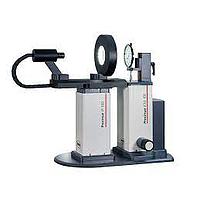
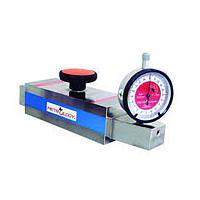
This category includes representative services such as the Mahr Mechanical Calibration Equipment Calibration Service and the METROLOGY Mechanical Calibration Equipment Calibration Service. These examples help illustrate the type of service offering available for organizations that use dedicated mechanical calibration equipment as part of their inspection or metrology workflow.
If your team already works with equipment from Mahr, it can be useful to review the broader brand context alongside service planning. The same approach applies when aligning calibration activities with installed equipment fleets, existing documentation practices, and purchasing preferences across sites or departments.
How mechanical calibration supports quality and compliance
In industrial environments, calibration is closely tied to product quality, process control, and confidence in inspection outcomes. Mechanical calibrator calibration supports these goals by helping organizations verify that their reference equipment remains dependable for routine use. This can be particularly important where tolerances are tight or where measurement results feed directly into acceptance decisions.
From a compliance perspective, documented calibration activity also helps support audit preparation and internal quality reviews. While specific requirements vary by industry and management system, maintaining calibrated reference equipment is a common expectation in structured quality environments. The benefit is not only compliance, but also a more stable and defensible measurement process.
Planning calibration as part of a broader service strategy
Mechanical calibration equipment should ideally be managed as part of a wider asset lifecycle rather than treated as an isolated service event. A planned approach makes it easier to coordinate service intervals, reduce downtime, and keep records organized across multiple instrument types. This becomes especially valuable for sites with many calibration assets distributed across production, maintenance, and lab functions.
When reviewing service strategy, some organizations also evaluate rotational speed or temperature-related assets, which may lead them to related categories such as tachometer calibrator calibration. A broader view often improves scheduling efficiency and helps standardize how calibration activities are documented across the business.
Choosing the right service path for your application
The best service approach depends on how the equipment is used, how critical the measurement is, and what level of documentation your process requires. For some users, routine interval-based calibration is enough to maintain confidence. For others, service planning may need to align with stricter internal controls, customer requirements, or validated inspection routines.
This category is intended to help buyers identify suitable mechanical calibration support for equipment used in real industrial measurement environments. By reviewing service options in context, it becomes easier to match calibration activity with equipment role, quality expectations, and long-term maintenance needs.
A well-managed calibration program protects more than instruments; it protects the decisions made from their results. If your operation depends on mechanical reference equipment for inspection, verification, or metrology work, reviewing the available Mechanical Calibrator Calibration Service options is a practical step toward maintaining reliable measurement performance over time.
Get exclusive volume discounts, bulk pricing updates, and new product alerts delivered directly to your inbox.
By subscribing, you agree to our Terms of Service and Privacy Policy.
Direct access to our certified experts