
Vibration Calibrator Calibration Service
Reliable vibration measurement starts long before a sensor is installed in the field. When a vibration calibrator is used to verify accelerometers, vibration meters, or monitoring systems, its own accuracy needs to be traceable and maintained over time. That is why a professional Vibration Calibrator Calibration Service plays an important role in condition monitoring, predictive maintenance, laboratory work, and quality control.
This category is intended for users who need calibration support for vibration calibrators used in industrial maintenance, test benches, research environments, and inspection workflows. Whether the equipment is used occasionally for spot checks or routinely in a controlled measurement program, regular calibration helps reduce uncertainty and supports more dependable vibration verification results.
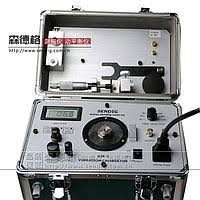
Why vibration calibrator calibration matters
A vibration calibrator is typically used as a reference source to check the response of vibration instruments. If the calibrator itself drifts over time, the error can propagate through the entire measurement chain. In practical terms, that can affect machine diagnostics, alarm thresholds, acceptance testing, and maintenance decisions based on vibration data.
Calibration helps confirm that the device is performing within expected limits and that its output remains suitable for verification tasks. For organizations working under quality systems or internal audit requirements, periodic calibration also supports documentation, traceability, and more consistent instrument management.
Typical use cases for this service
This service is relevant wherever vibration instruments need routine confidence checks. Maintenance teams may use a calibrator before inspecting motors, pumps, fans, or rotating assets. Test and inspection departments may rely on it when validating handheld meters or sensor setups before reporting results.
It is also useful in laboratories and production environments where measurement traceability is part of standard procedure. In these settings, a calibrated vibration source supports repeatable verification practices and helps reduce avoidable discrepancies between instruments, operators, or test locations.
What is typically evaluated during calibration
While the exact procedure depends on the instrument and service scope, vibration calibrator calibration generally focuses on the unit’s output performance and reference behavior. This can include verification of key operating points relevant to vibration testing, along with checks that help determine whether the instrument remains suitable for its intended application.
The broader goal is not simply to label an instrument as pass or fail, but to establish a clearer picture of its current condition. That information is valuable when deciding whether the calibrator can continue in service, requires adjustment, or should be reviewed alongside related equipment in the measurement chain.
Supported brands and example equipment
This category includes calibration service options for commonly used brands such as PCE, ACO, MMF, and Agate. Example listings in this category include the ACO Vibration Calibrator Calibration Service, MMF Vibration Calibrator Calibration Service, Agate Vibration Calibrator Calibration Service, and PCE Vibration Calibrator Calibration Service.
These examples help illustrate the brand coverage available in this section, but the main value of the category lies in matching the service to the calibrator being used in your workflow. If your organization works across multiple instrument types, it may also be useful to review related services such as electrical calibrator calibration where cross-discipline verification is part of a broader maintenance or metrology program.
How to choose the right calibration service
When selecting a service, start with the role of the calibrator in your process. A unit used as a routine shop-floor checker may require a different service priority than one supporting formal inspection, supplier qualification, or controlled lab procedures. It is also important to consider how often the calibrator is used, the criticality of the measurements it supports, and any internal or customer-driven traceability requirements.
Another practical consideration is the wider instrument ecosystem. If your team also manages process, pressure, speed, or temperature verification tools, it can be helpful to align service planning across categories. For example, users maintaining multiple calibration assets may also need process signal calibrator calibration service or tachometer calibrator calibration service as part of a coordinated schedule.
Benefits for maintenance, QA, and reliability teams
For maintenance teams, calibrated verification equipment supports more credible vibration checks during machine inspections and troubleshooting. For QA and metrology personnel, it strengthens the integrity of documented measurement processes. For reliability engineers, it helps ensure that condition-based decisions are built on instruments that have been properly maintained and reviewed.
In many organizations, the benefit is not limited to compliance. A well-managed calibration routine contributes to measurement consistency, reduces uncertainty in field verification, and helps avoid wasted time spent investigating apparent instrument discrepancies that may actually come from an out-of-tolerance reference device.
When to review calibration intervals
Calibration intervals should reflect actual operating conditions, not just a fixed calendar habit. More frequent review may be appropriate if the calibrator is used heavily, transported often, exposed to demanding environments, or relied upon in high-consequence measurements. If verification results start to vary unexpectedly, that can also be a sign that service timing should be reassessed.
Companies with structured asset control programs often review intervals based on usage history, past calibration results, and internal quality expectations. This approach can be more effective than applying the same schedule to every device, especially when calibrators are used in different departments with different levels of criticality.
Supporting a more dependable calibration workflow
A vibration calibrator is a reference tool, so its calibration status has a direct effect on the confidence users can place in downstream vibration checks. Choosing an appropriate calibration service helps maintain traceability, supports better instrument control, and strengthens the reliability of vibration-related decisions across maintenance and testing activities.
If your team depends on vibration verification as part of equipment health monitoring or inspection routines, this category provides a focused starting point for keeping those reference devices in proper working order. A well-planned service schedule can make the overall measurement workflow more stable, defensible, and easier to manage over time.
Get exclusive volume discounts, bulk pricing updates, and new product alerts delivered directly to your inbox.
By subscribing, you agree to our Terms of Service and Privacy Policy.
Direct access to our certified experts
