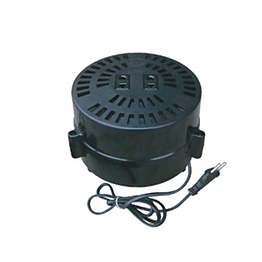
1 phase lioa transformer Calibration Service
Reliable voltage output is critical in workshops, laboratories, maintenance departments, and production environments where single-phase transformers are used to supply stable power or support test setups. When output accuracy drifts or performance becomes inconsistent, calibration helps confirm whether the transformer is still operating within the expected range and whether it remains suitable for the intended application.
1 phase LiOA transformer Calibration Service is intended for users who need a practical way to verify electrical performance, improve confidence in measurement-related work, and maintain better control over equipment condition. This is especially relevant where transformers are part of a wider electrical system that also includes meters, inverters, or automation-related devices.
Why calibration matters for single-phase transformers
A single-phase transformer is often expected to provide dependable voltage conversion under routine operating conditions. Over time, however, factors such as load history, environmental conditions, connection quality, and normal component aging can affect output behavior. Calibration is useful because it helps assess whether the transformer still performs as expected in actual service conditions.
For maintenance teams and technical buyers, calibration is not only about compliance. It also supports operational reliability, helps reduce uncertainty during troubleshooting, and can improve decision-making when comparing repair, continued use, or replacement. In environments where the transformer supports test benches or control panels, this verification becomes even more valuable.
Scope of this category
This category focuses specifically on calibration support for LiOA single-phase transformers. It is suitable for organizations that already use LiOA equipment and want a service aligned with that product context, whether for periodic verification, incoming inspection, or maintenance planning.
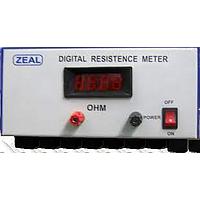
Where relevant, users may also compare service options across related manufacturers such as LiOA, PRODIGIT, and ZEAL, particularly when managing mixed equipment inventories. Typical examples in this category context include the LiOA 1-phase transformer Calibration Service, while equivalent service references from PRODIGIT and ZEAL may help buyers standardize procurement workflows across multiple brands.
What users typically evaluate during transformer calibration
Although the exact workflow depends on the service process and the condition of the unit received, calibration generally centers on verifying key electrical behavior against expected performance. For a single-phase transformer, that often means checking output characteristics, consistency under defined conditions, and whether the unit remains appropriate for continued technical use.
From a practical standpoint, users usually want answers to a few straightforward questions: is the output stable, does the transformer behave consistently, and can it still be trusted in the application where it is installed? In many industrial settings, these questions matter more than broad claims, because they directly affect uptime, test confidence, and system quality.
When this service is especially useful
Calibration is commonly considered when a transformer has been in service for an extended period, after relocation, after electrical incidents, or before it is used in a more demanding process. It may also be scheduled as part of a preventive maintenance plan, particularly when the transformer supports equipment that depends on known electrical conditions.
This service can also be relevant if your team is reviewing a wider group of electrical assets. For example, organizations that calibrate transformers may also need inverter calibration service or verification for panel electrical meters to maintain consistency across the full power and control chain.
Example services and brand context
Within this category, the main reference is the LiOA 1-phase transformer Calibration Service. Depending on how your procurement or maintenance records are structured, you may also encounter similar service entries such as ZEAL 1-phase transformer Calibration Service or PRODIGIT 1-phase transformer Calibration Service. These examples are useful for organizations that handle different transformer brands and want a clearer service mapping by manufacturer.
That said, choosing a service should not be based on brand name alone. The more important point is whether the service matches the actual equipment in use, the maintenance history of the transformer, and the level of verification required by your operating process. A clear category structure simply makes it easier to find the right service path faster.
How to choose the right calibration path
Before placing a service request, it helps to confirm the transformer brand, single-phase configuration, equipment condition, and the technical purpose of calibration. Some users need routine verification for asset management, while others need confidence before returning equipment to production or using it in a test environment. Clarifying that purpose can make service selection more efficient.
If your site or facility manages more than one type of calibrated electrical equipment, it may be useful to review related categories such as automation data logger calibration or broader SIEMENS equipment calibration service needs. This approach helps maintenance and purchasing teams align service planning across connected devices rather than treating each item in isolation.
Support for maintenance, traceability, and purchasing workflows
For B2B users, calibration service categories are often part of a larger documentation and asset-control process. A clearly identified service for a LiOA single-phase transformer can support internal traceability, simplify vendor communication, and help teams organize service demand by equipment type and manufacturer.
This is particularly useful for factories, technical service providers, utilities, and educational or testing facilities that maintain multiple electrical assets. Instead of handling transformers as generic items, they can be grouped into a more structured maintenance workflow, making future service intervals and procurement records easier to manage.
Conclusion
When single-phase transformers are used in technical or industrial settings, calibration provides a more dependable basis for maintenance and continued operation. A focused category for LiOA transformer calibration helps buyers and engineers find the right service context without unnecessary complexity, while still supporting wider electrical asset management across related equipment.
If you are reviewing calibration requirements for an existing transformer fleet or planning periodic verification for critical electrical devices, this category offers a practical starting point. The right service choice should always reflect the actual equipment in use, the role it plays in your system, and the level of confidence your application requires.
Get exclusive volume discounts, bulk pricing updates, and new product alerts delivered directly to your inbox.
By subscribing, you agree to our Terms of Service and Privacy Policy.
Direct access to our certified experts