Signal Converter Calibration Service
Stable signal conversion is essential in automated systems where analog and process signals must remain accurate from sensor to controller, display, or recording device. When a converter begins to drift, the result may be subtle at first, but over time it can affect trending, alarms, control quality, and confidence in measurement data. Signal Converter Calibration Service helps verify that these devices continue to translate and condition signals within the expected operating range.
This category is intended for users working with industrial instrumentation, process control, laboratory setups, and automation panels that rely on dependable signal interfaces. Whether the converter is used to isolate, scale, standardize, or retransmit a signal, calibration supports traceable performance checks and more consistent system behavior.
Why signal converter calibration matters
Signal converters are often installed between field devices and higher-level equipment to adapt one electrical signal format into another. In practice, they may be used to handle current, voltage, temperature-related inputs, or other process signals that need conditioning before reaching PLCs, indicators, or monitoring systems. Even a small output deviation can create downstream errors, especially in tightly controlled processes.
Calibration is important because converters are expected to preserve signal integrity, not introduce uncertainty. Periodic verification helps detect offset, span drift, linearity issues, or other performance changes that may affect control loops, reporting, and maintenance decisions. This becomes especially relevant in facilities where documentation, repeatability, and audit readiness are part of normal operations.
Typical applications for calibrated signal converters
Signal converters are used across manufacturing, utilities, building automation, test benches, and instrumentation systems. They are commonly found in signal isolation tasks, analog retransmission, interface conversion, and control panel integration where one device must communicate reliably with another despite different signal standards or grounding conditions.
In many environments, the converter is only one part of a larger measurement chain. Its accuracy therefore influences the quality of readings seen on HMIs, data acquisition systems, and panel instruments. If your workflow also depends on recorded process values, related services such as calibration for automation data loggers may be useful in maintaining end-to-end confidence.
What this service category generally supports
This category covers calibration services for signal converters from several recognized manufacturers used in industrial and technical environments. Examples in this selection include service options associated with KEYSIGHT, KEITHLEY, PCE, Promax, Proskit, Tekbox, Watanabe, Adtek, and Mountz. These references help indicate the range of supported brands without implying that every device shares the same design or calibration procedure.
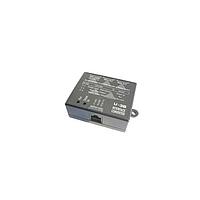
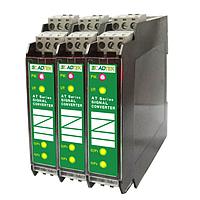
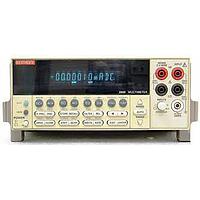
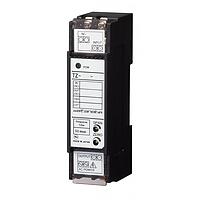
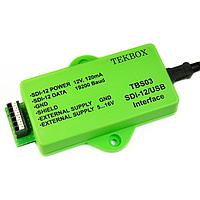
Representative listings in this category include KEYSIGHT Signal converter Calibration Service, KEITHLEY Signal converter Calibration Service, PCE Signal converter Calibration Service, and Tekbox Signal converter Calibration Service. The exact calibration workflow can vary depending on converter type, signal range, and intended application, so the service should be matched to the actual instrument in use.
How to choose the right calibration service
When selecting a service, start with the converter’s function inside the system. A device used for simple analog conversion may require different attention than one performing isolation, scaling, or interface conditioning in a critical control loop. It is also helpful to review the input/output signal types, installed environment, and how the converter interacts with other calibrated equipment.
Users managing broader automation assets often review calibration planning by equipment family. For example, systems that include drives or power electronics may also need inverter calibration service, while electrical panels with built-in displays may benefit from panel meter calibration support. Looking at the full signal path often leads to a more practical calibration schedule.
Brand coverage and equipment examples
The category includes service references for multiple brands commonly encountered in technical purchasing and maintenance workflows. Users may search by manufacturer because installed equipment fleets are often standardized, and procurement teams prefer service categories that align with existing assets. In that context, options related to KEYSIGHT, KEITHLEY, Promax, Proskit, PCE, Tekbox, Watanabe, Adtek, and Mountz provide a useful starting point.
For buyers who organize maintenance by vendor, it can also be helpful to browse a manufacturer page such as KEITHLEY instruments to review related equipment in the same ecosystem. This is especially relevant when converters operate alongside source, measurement, or test instruments that may require coordinated service planning.
When recalibration should be considered
A fixed interval is not always appropriate for every installation, but there are common triggers that suggest recalibration should be scheduled. These include unexplained reading discrepancies, recent maintenance activity, relocation of equipment, exposure to harsh environments, or the need to validate performance before commissioning or audit events.
Measurement traceability becomes more important as systems age or process requirements tighten. If a converter is part of a regulated workflow or supports product quality decisions, routine calibration can reduce uncertainty and help maintenance teams detect problems before they propagate to connected devices or reports.
What buyers and maintenance teams typically look for
In B2B purchasing, the goal is usually not just to “service a device,” but to support reliable operation across an application. Buyers typically look for clear identification of the instrument type, compatibility with the brand in use, and a service scope that fits preventive maintenance planning. Maintenance engineers, meanwhile, are often focused on restoring confidence in signal accuracy and ensuring that control and monitoring layers receive trustworthy values.
Service selection is therefore easier when the converter’s role is clearly documented: what signal it receives, what signal it outputs, and where it sits in the chain. This practical context helps avoid mismatched orders and supports faster processing for industrial calibration requirements.
Support more reliable signal handling across your system
Choosing the right calibration path for signal converters helps protect the accuracy of the wider automation and measurement environment. From standalone interface devices to converters integrated into larger control architectures, regular verification supports better diagnostics, more dependable readings, and smoother maintenance planning.
If your facility depends on accurate signal conditioning between instruments, controllers, and monitoring points, this category provides a focused starting point for identifying relevant service options by brand and application context. A well-chosen calibration service can help keep the entire signal chain more consistent over time.
Get exclusive volume discounts, bulk pricing updates, and new product alerts delivered directly to your inbox.
By subscribing, you agree to our Terms of Service and Privacy Policy.
Direct access to our certified experts