Crane Scale Calibration Service
When a crane scale is used for suspended load measurement, even small deviations can affect handling decisions, stock control, and process reliability. In industrial environments where lifting equipment is part of daily operations, regular calibration helps confirm that displayed weight values remain trustworthy and aligned with operational requirements.
Crane Scale Calibration Service is intended for businesses that rely on hanging scales in warehouses, logistics areas, production sites, metal processing, and material handling applications. It supports more consistent weighing results, helps identify drift over time, and gives maintenance and quality teams a clearer basis for inspection and documentation.
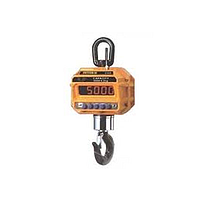
Why crane scale calibration matters in industrial use
A crane scale works in demanding conditions. Repeated lifting cycles, vibration, shock loading, temperature variation, and general wear can gradually influence measurement performance. Calibration is therefore not just a formal step; it is a practical way to verify whether the instrument is still delivering readings that are suitable for the application.
For many operations, suspended weighing is tied directly to shipping accuracy, incoming material checks, batching, or internal transfer control. A properly managed calibration service helps reduce uncertainty in day-to-day weighing and supports better control over processes where load values must be monitored with confidence.
What this service typically supports
Crane scale calibration is relevant for a wide range of suspended weighing devices, especially where equipment is used repeatedly under industrial load conditions. The purpose is to assess the scale's measurement behavior across its usable range and confirm that it continues to perform within the expected operating context.
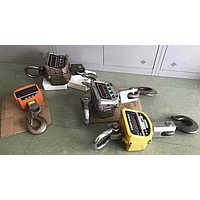
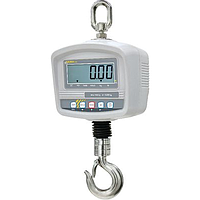
This category is especially useful for companies using crane scales from established manufacturers such as CAS, KERN, and SAUTER. Example services in this category include the Cas Crane Scale Calibration Service and the Kern Crane Scale Calibration Service, which illustrate the type of support available for common suspended weighing equipment.
How to know when calibration is needed
Many users schedule calibration at regular intervals, but condition-based signs are also important. If the scale shows inconsistent readings, has been exposed to overload events, has undergone repair, or has been relocated to a different operating environment, calibration should be considered before the device is relied on for routine measurement.
It is also sensible to review calibration timing when weighing data is used in quality documentation, inventory reconciliation, or supplier-customer transactions. In these cases, maintaining a documented calibration history can be just as important as the reading itself, especially where traceability and repeatability are expected.
Choosing the right calibration scope
Not all weighing applications demand the same level of attention. A crane scale used for rough internal handling may have different service expectations than one used for more controlled process checks. The right approach usually depends on load range, frequency of use, environmental stress, and how critical the weight value is to the business process.
If your operation also uses other weighing equipment, it may be useful to review related services such as floor scale calibration or precision scale calibration. This helps align maintenance planning across different weighing points instead of treating each instrument in isolation.
Manufacturer-specific context and equipment examples
Different crane scale designs may vary in display layout, load handling style, or intended operating environment, so manufacturer familiarity can be useful when planning service. In this category, brands such as KERN, CAS, and SAUTER are relevant reference points because many industrial users standardize their weighing equipment around recognized product lines.
Alongside crane scale services, some operations also maintain spring balances or other force-related weighing devices. For example, the Sauter Spring Balance Calibration Service may be relevant where suspended mechanical weighing tools are still part of the workflow. While the equipment type differs from electronic crane scales, the underlying goal remains the same: maintaining dependable measurement performance over time.
Practical benefits for maintenance, quality, and operations teams
A structured calibration program supports more than compliance paperwork. It helps maintenance teams detect potential issues earlier, gives quality departments better support for documented measurement control, and allows operations personnel to work with readings that are less likely to create downstream discrepancies.
This is particularly valuable where crane scales are used in receiving, dispatch, raw material movement, or internal transfer tasks. Better control of suspended weighing can contribute to fewer disputes, more reliable records, and a stronger foundation for process consistency, especially in facilities where load measurement is integrated into daily decision-making.
Related calibration needs across weighing systems
In many facilities, crane scales are only one part of a broader weighing ecosystem. Depending on your process, you may also need services for analytical or moisture-sensitive measurement devices. Categories such as analyzer scale calibration or moisture analyzer calibration can be relevant when quality control extends beyond heavy suspended loads into laboratory or process testing environments.
Looking at calibration requirements across all weighing points often makes service planning more efficient. It also helps create a more complete measurement strategy, where each device is maintained according to its actual role in production, storage, inspection, or shipment verification.
Supporting long-term measurement reliability
Crane scales are often exposed to tougher service conditions than bench or lab instruments, which makes regular review especially important. A suitable calibration schedule helps verify ongoing performance, supports internal quality systems, and gives users a clearer picture of when adjustment, repair, or replacement may need to be considered.
For companies that depend on suspended load measurement, choosing the right crane scale calibration service is ultimately about keeping weighing results usable, documented, and appropriate for the job. Reviewing equipment type, usage intensity, and manufacturer context can help narrow the right service path and maintain dependable weighing across the operation.
Get exclusive volume discounts, bulk pricing updates, and new product alerts delivered directly to your inbox.
By subscribing, you agree to our Terms of Service and Privacy Policy.
Direct access to our certified experts