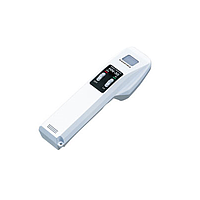
Metal Detector Calibration Service
Reliable metal detection depends on more than the detector itself. In industrial inspection, security screening, and field-use applications, measurement drift, sensitivity changes, and verification gaps can affect detection performance over time. A professional Metal Detector Calibration Service helps confirm that equipment is operating within expected parameters and supports more consistent results in daily use.
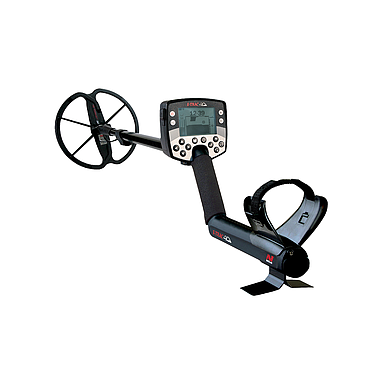
This category is intended for organizations that need calibration support for metal detectors from established manufacturers such as MINELAB, Garrett, SANKO, TAKACHIHO, and ZOAN. Whether the equipment is used in production control, inspection workflows, or specialized detection tasks, calibration is an important part of maintaining traceable and dependable instrument performance.
Why calibration matters for metal detectors
Metal detectors are commonly relied on to identify metallic objects or contamination under real operating conditions. Over time, environmental exposure, repeated use, transport, mechanical stress, and electronic aging may influence how the instrument responds. Calibration helps verify that the detector still reacts appropriately and that its readings or detection behavior remain aligned with intended use.
For B2B users, this is especially relevant where inspection accuracy affects product quality, process control, maintenance planning, or operational safety. A scheduled calibration service can also support internal quality systems by providing documented evidence that equipment has been checked at appropriate intervals.
Typical use cases across industrial and technical environments
Metal detector calibration may be required in a wide range of settings, depending on the type of detector and the inspection objective. In some cases, the focus is on consistent detection response for screening and search tasks. In other environments, users need confidence that the instrument remains suitable for routine inspection work where repeatability is important.
Organizations often include this service as part of a broader instrument maintenance and verification program. If your site also manages other specialized measuring devices, related services such as coating thickness meter calibration or laser power meter calibration may be relevant within the same quality framework.
Supported brands and service examples
This category includes calibration service options for several recognized manufacturers. Examples available here include the MINELAB Metal Detector Calibration Service, Garrett Metal Detector Calibration Service, SANKO Metal Detector Calibration Service, TAKACHIHO Metal Detector Calibration Service, and ZOAN Metal Detector Calibration Service.
Brand-specific service selection matters because detector design, response behavior, and verification methods can differ between manufacturers. For that reason, choosing a service aligned with the actual equipment brand is a practical way to keep the calibration process relevant to the instrument being used. Users looking for brand information can also explore SANKO products and services where appropriate.
What to consider when selecting a metal detector calibration service
Before arranging service, it is useful to confirm the equipment brand, model identification, current operating condition, and the application in which the detector is used. This helps ensure the calibration request matches the device and avoids delays caused by incomplete instrument information.
You should also consider service timing in relation to production schedules or inspection cycles. Many companies plan calibration based on usage frequency, internal quality procedures, audit requirements, or the criticality of the measurement task. Where multiple specialty instruments are managed together, a structured schedule can reduce downtime and simplify documentation.
Calibration as part of an equipment quality program
Calibration should not be treated as an isolated event. In practice, it works best as part of a broader equipment control process that may include identification, maintenance history, service intervals, condition checks, and post-service verification before the instrument returns to operation.
This approach is especially helpful for companies working with several inspection technologies across one site. Alongside metal detectors, some facilities also maintain services for niche instruments such as compressed air and gases tester calibration. Managing these services consistently can improve traceability and reduce the risk of overlooked equipment.
How this category helps procurement and maintenance teams
For purchasing, maintenance, and quality teams, this category brings together relevant service options in one place so it is easier to identify the correct manufacturer-specific calibration path. Instead of searching broadly, buyers can focus on the service that matches the detector brand already deployed on site.
This is also useful for organizations standardizing service procurement across different departments or locations. A clear category structure supports faster comparison, more accurate service requests, and better alignment between the instrument fleet and the selected calibration scope.
Frequently asked questions
How often should a metal detector be calibrated?
The interval depends on usage frequency, operating environment, internal quality requirements, and how critical the detector is to the application. Many organizations set calibration periods as part of their preventive maintenance or quality assurance program.
Is brand-specific calibration service important?
Yes. Different manufacturers may use different detector designs and verification approaches, so selecting the service that matches the equipment brand helps keep the process relevant and efficient.
Can metal detector calibration be grouped with other instrument services?
In many cases, yes. Companies often manage metal detector calibration alongside other specialty meter services to simplify scheduling, records, and service coordination.
Choosing the right calibration support is ultimately about maintaining confidence in your inspection equipment over time. This category makes it easier to find suitable service options for metal detectors from leading brands, while supporting a more organized and traceable approach to instrument management.
Get exclusive volume discounts, bulk pricing updates, and new product alerts delivered directly to your inbox.
By subscribing, you agree to our Terms of Service and Privacy Policy.
Direct access to our certified experts