
Temperature Chart Recorders Calibration Service
In many industrial processes, temperature history matters just as much as the temperature reading itself. When a recorder is used to document storage conditions, process cycles, sterilization stages, or long-term monitoring trends, calibration helps ensure that the recorded data remains dependable for audits, quality control, and daily operation. This is where Temperature Chart Recorders Calibration Service becomes especially important.
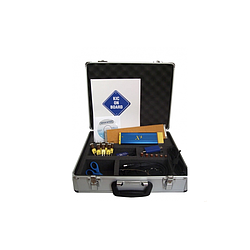
Temperature chart recorders are widely used in manufacturing, laboratories, utilities, food processing, healthcare environments, and facility monitoring. Over time, sensor drift, mechanical wear, electronic deviation, and environmental factors can affect how accurately the instrument records temperature over a given period. A professional calibration service helps verify performance, identify deviation, and support traceable measurement practices within the broader thermal measurement system.
Why calibration matters for temperature chart recorders
A chart recorder is often relied on not only for spot measurement, but for creating a continuous record of temperature behavior. If that record is inaccurate, the impact can extend beyond a single reading and affect trend analysis, batch documentation, compliance records, and process validation. Calibration helps confirm whether the recorder reflects actual temperature conditions within an acceptable tolerance.
In regulated or quality-sensitive environments, the value of calibration is closely tied to measurement confidence. A properly calibrated recorder supports better decision-making when reviewing alarms, process excursions, storage stability, or thermal cycle consistency. It also helps maintenance and quality teams distinguish between actual process variation and instrument-related error.
What is typically checked during calibration
Calibration for temperature chart recorders generally focuses on how accurately the instrument responds across relevant temperature points and whether its recorded output corresponds correctly to the applied reference. Depending on the recorder design, this may involve checking indication accuracy, recording performance, channel behavior, response consistency, and the alignment between the sensing input and the charted result.
For users who depend on archived records, calibration also supports confidence in historical temperature data. Whether the recorder uses paper charts or another recording method, the core objective remains the same: verify that the instrument can produce reliable temperature documentation over time. This is particularly important in applications where evidence of thermal conditions must be retained for internal review or external inspection.
Typical applications that benefit from this service
Temperature chart recorders are commonly found wherever a temperature profile must be monitored continuously rather than checked occasionally. That includes storage rooms, ovens, furnaces, environmental chambers, sterilization equipment, process vessels, utility systems, and distribution environments where thermal stability is critical.
Calibration is especially relevant when recorded temperature data is used to support product quality, equipment qualification, or compliance workflows. In these settings, a recorder is part of a larger chain of measurement reliability that may also include sensors, controllers, handheld meters, and imaging tools. If your site uses related thermal instruments, it may also be useful to review services such as contact temperature meter calibration or temperature meter and controller calibration.
When to schedule calibration
Calibration intervals depend on how the recorder is used, how critical the application is, and how stable the instrument has been historically. Many organizations follow scheduled annual or periodic calibration, while others shorten the interval for instruments exposed to demanding environments, frequent use, transport, or applications with tighter quality requirements.
It is also wise to arrange calibration after repair, after suspected impact or abnormal behavior, or whenever the recorded trend appears inconsistent with other reference instruments. Signs such as unexplained drift, chart mismatch, unusual deviation between channels, or discrepancies against a trusted standard can indicate that the recorder should be evaluated. A defined calibration interval helps reduce uncertainty and supports consistent maintenance planning.
How this service supports compliance and quality systems
In many industries, temperature records are part of documented evidence for product safety, process control, or asset performance. Calibration supports these requirements by helping demonstrate that the recording instrument has been checked against a known reference. This is valuable in quality management systems, preventive maintenance programs, audit preparation, and internal traceability procedures.
For organizations that rely on a mix of thermal monitoring technologies, recorder calibration is often only one part of a complete approach. Infrared devices and thermal imaging tools may also require periodic verification depending on the inspection method in use. Where relevant, related services such as infrared thermometer calibration and thermal imaging camera calibration can help maintain consistency across the broader temperature measurement program.
Choosing the right calibration scope
Not every recorder is used in the same way, so calibration should align with the actual operating context. Important considerations include the temperature range used in practice, the number of channels involved, the type of sensing input, the critical control points being monitored, and the level of accuracy needed for the application. A recorder used for basic trend observation may not require the same scope as one used for validation or regulated documentation.
It is also helpful to consider how the recorder interacts with upstream sensors and downstream control decisions. Even when the recorder itself is functioning, the overall system can still be affected by sensor error or process interface issues. Reviewing the full measurement chain allows teams to make better choices about service intervals, acceptance criteria, and which thermal instruments should be calibrated together as part of a coordinated program.
Supporting reliable temperature records over time
The main purpose of temperature chart recorder calibration is not simply to check an instrument once, but to support ongoing confidence in recorded thermal data. When recorders are used for process monitoring, storage assurance, equipment studies, or documentation, calibration helps keep those records meaningful and actionable.
For facilities that depend on long-term temperature trending, a well-planned calibration strategy can improve consistency, reduce uncertainty, and strengthen confidence in every recorded event. If your operation relies on chart-based or continuous thermal recording, this service is a practical step toward maintaining accurate records and a more dependable temperature monitoring system.
Get exclusive volume discounts, bulk pricing updates, and new product alerts delivered directly to your inbox.
By subscribing, you agree to our Terms of Service and Privacy Policy.
Direct access to our certified experts