Cable and Socket tester/detector Inspection Service
Reliable cable and socket test instruments are essential when electrical maintenance teams need to verify wiring continuity, identify faults, confirm socket conditions, or trace hidden lines before corrective work begins. In these situations, periodic inspection helps ensure that the instrument itself is functioning correctly and remains suitable for field use. This is especially important for devices used in installation checks, cable tracing, and fault localization, where inaccurate readings can lead to wasted time, unnecessary dismantling, or incorrect maintenance decisions.
Cable and Socket tester/detector Inspection Service supports organizations that rely on these instruments in industrial maintenance, building services, electrical contracting, utilities, and technical service operations. The service category covers inspection needs for testers and detectors used to assess cable condition, verify socket-related performance, and locate hidden or damaged conductors as part of routine maintenance workflows.
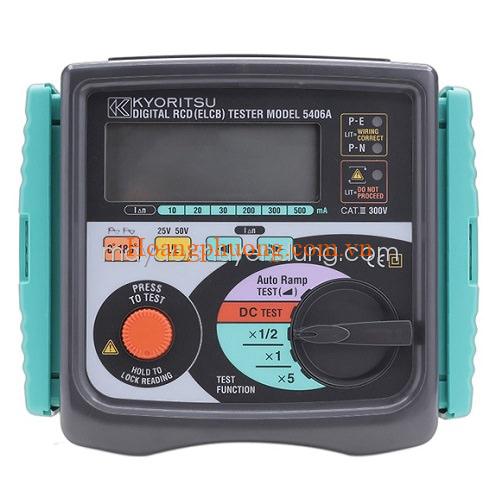
Why inspection matters for cable and socket testing instruments
Unlike general handheld meters, cable testers and socket detectors are often used in troubleshooting tasks where the operator must make practical decisions quickly. A device that fails to detect a cable path correctly or does not respond consistently during a socket-related check can affect maintenance quality and delay restoration work. Regular inspection helps confirm that the instrument responds as expected and remains dependable for routine technical use.
For B2B users, inspection is also part of broader equipment control. Service teams, contractors, facility managers, and maintenance departments typically need traceable maintenance practices for their test tools. In this context, inspection helps reduce uncertainty in the field and supports better confidence in electrical verification tasks.
Typical devices covered in this category
This category is intended for instruments designed to test, detect, or trace cables and sockets rather than for general-purpose measurement alone. Common examples include cable fault finders, hidden cable locators, LAN cable testers, and cable or socket detectors used during installation checks or fault investigation. These devices may be used in commercial buildings, industrial plants, telecom environments, and service workshops.
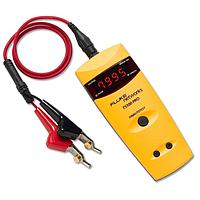
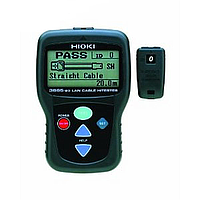
Representative service items in this category include the FLUKE Cable Fault Finder Inspection services, Hioki LAN Cable HiTester Inspection services, Sew Cable and Socket Detector Inspection services, and Chauvin Arnoux Locate Hidden Cables Inspection services. These examples reflect the practical range of instruments used for cable path identification, connectivity verification, and fault detection in the field.
Common use cases in maintenance and field service
Inspection demand usually comes from teams that regularly work on electrical distribution, structured cabling, machine wiring, and building infrastructure. In these applications, testers and detectors help technicians narrow down faults before opening panels, replacing cables, or dismantling parts of the installation. When the instrument itself is verified periodically, troubleshooting becomes more consistent and easier to standardize across teams.
Another common scenario is preventive maintenance, where cable and socket checking tools are used alongside other electrical test instruments. A maintenance department may inspect these tools together with services such as multimeters inspection service or clamp meter inspection service to maintain a more complete control process for handheld electrical equipment.
What to consider when selecting an inspection service
The most practical starting point is the actual function of the instrument. Some devices focus on continuity or basic connection verification, while others are intended for locating hidden cables, identifying cable faults, or checking network cabling. The inspection approach should align with how the device is used in the field, including its operating mode, accessories, and application environment.
It is also useful to review the brand and product family involved, especially when your equipment pool includes models from HIOKI, Chauvin Arnoux, EXTECH, Proskit, SEW, or FLUKE. Different instruments may serve different technical teams, from building maintenance staff to network technicians. Choosing the right inspection service category helps keep records organized and ensures the instrument is assessed in the proper usage context.
Examples of instruments referenced in this category
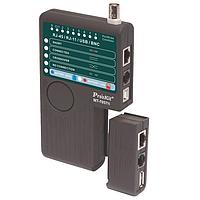
Several representative products help illustrate the scope of this service category. The Proskit Cable Tester Inspection services entry is relevant where cable verification is part of routine service work. The Hioki LAN Cable HiTester Inspection services example is suited to environments where structured cabling or communication lines require reliable testing support.
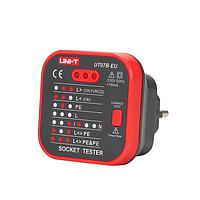
For electrical fault tracing and infrastructure troubleshooting, the Extech Cable and Socket Tester Inspection services and the Sew Cable and Socket Detector Inspection services are relevant references. Where locating concealed wiring or finding cable faults is a priority, items such as the Chauvin Arnoux Locate Hidden Cables Inspection services and FLUKE Cable Fault Finder Inspection services reflect the broader role of specialized detection tools in maintenance operations.
How this category fits into a wider electrical inspection program
In many organizations, cable and socket testing devices are only one part of the handheld instrument fleet. They are often managed together with installation testers, phase indicators, and general electrical meters. When inspection planning is handled by function rather than by ad hoc requests, it becomes easier to track service intervals, allocate backup tools, and reduce disruptions to maintenance work.
If your workflow includes installation verification or broader electrical safety checks, related categories such as multifunction electrical installations meter inspection service can also be relevant. This creates a more complete service structure for teams responsible for both fault finding and formal electrical test procedures.
Suitable for industrial, commercial, and technical service environments
Inspection service for cable and socket testers is relevant across a wide range of B2B settings. Industrial maintenance teams may use these instruments to trace machine wiring issues or identify damaged runs. Building service contractors may rely on them for outlet checks, concealed cable detection, and maintenance before renovation work. IT and network support teams may use dedicated cable testing tools to verify communication links and reduce downtime.
Because these instruments are frequently handheld and used across multiple job sites, they can be exposed to impact, transport stress, and varied operating conditions. Keeping them within a documented inspection process supports better equipment readiness and more consistent technical work across locations and teams.
Final notes
When cable tracing, socket checking, or fault detection is part of your routine work, the quality of the instrument directly affects the quality of the diagnosis. A well-managed inspection process helps maintain confidence in the tools used for troubleshooting and verification, while also supporting internal equipment control.
This category is intended for organizations looking for a clear service path for cable and socket testing instruments, whether the equipment is used in electrical maintenance, field diagnostics, building services, or network support. Reviewing the device type, application, and brand portfolio is the best way to choose the most appropriate service option for your operation.
Get exclusive volume discounts, bulk pricing updates, and new product alerts delivered directly to your inbox.
By subscribing, you agree to our Terms of Service and Privacy Policy.
Direct access to our certified experts