Picoammeter/Nanovoltmeter Inspection Service
When measurements move into the picoampere and nanovolt range, even small errors can affect R&D results, component characterization, leakage testing, and low-level signal analysis. In this environment, a reliable Picoammeter/Nanovoltmeter Inspection Service helps users confirm that their instruments still perform as expected for sensitive electrical measurements and trace-level test work.
This category is intended for organizations that rely on ultra-low current and voltage measurement instruments in laboratories, electronics manufacturing, quality control, and technical service operations. Whether you use a standalone picoammeter, a nanovoltmeter, or a combined low-level electrical measuring instrument, periodic inspection supports confidence in test data and day-to-day operation.
Why low-level measurement instruments need inspection
Instruments designed for extremely small current or voltage signals are naturally more sensitive to drift, noise, connection quality, environmental influence, and long-term use. Because of that, inspection is not only about checking whether the device powers on; it is also about assessing whether the instrument remains suitable for the precision tasks it was selected for.
Low-current and low-voltage measurement often supports work such as semiconductor evaluation, insulation and leakage studies, material testing, sensor development, and research applications. In these use cases, the inspection process helps verify instrument condition and measurement reliability before errors become costly in production or analysis.
Typical instruments covered in this category
This category focuses on inspection services for picoammeters and nanovoltmeters, including representative options from KEITHLEY, KEYSIGHT, and ZEAL. The purpose is not limited to one model family, but to support instruments used for very small current sourcing or measurement and very low voltage measurement in professional settings.
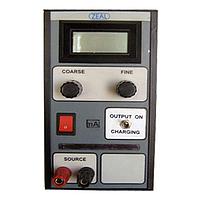
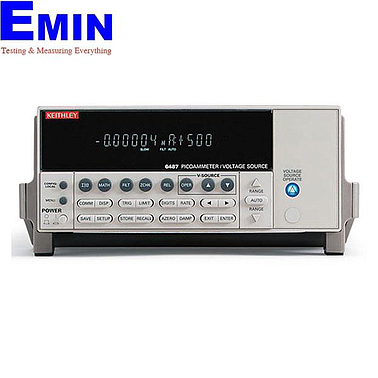
Examples in this category include the KEITHLEY Picoammeter/Nanovoltmeter Inspection Service, the KEYSIGHT Picoammeter/Nanovoltmeter Inspection Service, and the ZEAL DC Low Current Source Inspection Service. These examples illustrate the type of equipment ecosystem involved, from precision measuring instruments to low-current source devices used in validation and inspection workflows.
What an inspection service helps you evaluate
A proper inspection process typically looks at the overall condition of the instrument, the stability of key functions, and whether the device remains appropriate for its intended measurement range. For picoammeters and nanovoltmeters, this can be especially important because signal integrity is easily affected by connection conditions, grounding, shielding, and contamination at terminals or fixtures.
Inspection can also support maintenance planning and internal quality systems by giving users a clearer view of equipment status over time. For organizations that manage multiple electrical measuring devices, this category also fits naturally alongside services such as multimeters inspection service when building a broader inspection schedule for the lab or shop floor.
Applications where this service is commonly relevant
Picoammeter and nanovoltmeter inspection is particularly relevant in applications where current leakage, very small bias currents, contact effects, or weak electrical signals must be observed with confidence. This includes electronics development, university and industrial research labs, device qualification, and test environments where repeatability matters as much as absolute value.
It is also useful in facilities that work with broader electrical test equipment portfolios. For example, teams that inspect low-level instruments may also need related services for field and maintenance devices such as clamp meter inspection service or specialized installation testing tools depending on how their measurement system is organized.
How to choose the right service for your equipment
The most practical starting point is the actual instrument type and measurement role in your process. A picoammeter used for leakage or insulation-related studies may need different inspection attention than a nanovoltmeter used in precision signal comparison, while a low-current source instrument may be evaluated in the context of source stability and intended operating conditions.
It is also helpful to consider the manufacturer and device family already in use. Users working with ZEAL low-current source equipment, or established instrument platforms from KEITHLEY and KEYSIGHT, often prefer a category structure that aligns service selection with the equipment brand and measurement purpose. This makes it easier to choose an inspection option that matches the actual instrument in the lab or production environment.
Related service categories in an electrical measurement workflow
Low-level signal instruments rarely operate in isolation. In many technical environments, they sit alongside handheld meters, installation testers, phase tools, and other diagnostic instruments that support commissioning, verification, and troubleshooting. For that reason, users often review adjacent categories while planning service coverage across a complete instrument fleet.
If your team manages a mixed equipment set, it may also be useful to compare this category with multifunction electrical installations meter inspection service for broader electrical testing requirements. Looking across related categories helps standardize service selection and keeps inspection planning aligned with actual operational needs.
Why this category matters for quality and repeatability
For low-level electrical measurements, confidence comes from more than instrument availability. It depends on whether the device still supports repeatable measurement performance under the conditions where it is actually used. That is why inspection services for picoammeters and nanovoltmeters are important in both research and industrial environments where data quality directly affects engineering decisions.
Choosing the right inspection service for sensitive measurement instruments can help reduce uncertainty in daily work, support internal quality procedures, and keep critical electrical test equipment in a known condition. If your operation also depends on other electrical meters and specialized testers, this category can serve as one part of a more complete instrument care strategy.
Get exclusive volume discounts, bulk pricing updates, and new product alerts delivered directly to your inbox.
By subscribing, you agree to our Terms of Service and Privacy Policy.
Direct access to our certified experts