
Recirculating chiller Inspection Service
Stable temperature control is essential in many laboratories, pilot plants, and industrial test environments. When a cooling unit begins to drift, circulate unevenly, or respond slowly to load changes, it can affect process repeatability, equipment protection, and product quality. A professional Recirculating chiller Inspection Service helps verify that the system is operating safely and consistently within its intended application.
Recirculating chillers are commonly used to remove heat from analytical instruments, reactors, lasers, condensers, and other temperature-sensitive equipment. Because these units support both performance and equipment reliability, periodic inspection is a practical step for facilities that want to reduce downtime, identify early signs of wear, and maintain confidence in cooling performance.
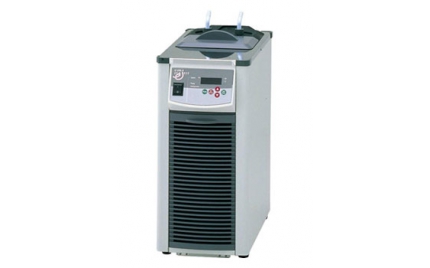
Why recirculating chiller inspection matters
A recirculating chiller does more than generate cold fluid. It supports a controlled thermal loop, and that means overall performance depends on several factors working together: temperature stability, circulation condition, sensor response, alarms, and the general health of the refrigeration and fluid path. If one part of the system is underperforming, the impact may show up elsewhere in the process before the issue is noticed at the chiller itself.
Inspection is especially important in environments where cooling consistency affects test results, sample integrity, reaction control, or equipment protection. For laboratories and technical facilities, a structured inspection can help reveal problems such as unstable temperature control, reduced flow, contamination in the circulation path, or operational deviations that may lead to unplanned shutdowns.
Typical scope of inspection
The exact inspection scope can vary depending on the equipment design and operating context, but the objective is usually the same: assess whether the chiller is functioning as expected and whether any conditions could compromise safe or stable operation. This may include reviewing the visible condition of the unit, checking key operating behavior, and evaluating the cooling loop in practical use.
Common inspection points often relate to temperature control performance, circulation behavior, display and control response, alarm function, and the general condition of connections and accessible components. In many facilities, inspection also supports internal maintenance planning by separating issues that require immediate attention from those that should simply be monitored over time.
Applications where cooling reliability is critical
Recirculating chillers are used across a wide range of laboratory and technical processes. They are often paired with equipment that generates continuous heat or requires a tightly controlled thermal environment. Examples include instrument cooling, sample preparation systems, glass reactors, and closed-loop support for research and production equipment.
In these settings, even a small temperature deviation can influence repeatability or process stability. Facilities that already schedule checks for related equipment such as centrifuge inspection service or deep freezer checks often include chiller inspection as part of a broader equipment reliability program.
What users often want to confirm during inspection
Most users are not only looking for a pass-or-fail judgment. They also want to understand whether the unit can continue supporting their process with confidence. That is why inspection is valuable as a technical review of the equipment’s current condition, especially for systems that run continuously or support high-value instruments.
Typical concerns include whether the unit reaches and maintains the set temperature, whether fluid circulation appears stable, and whether there are signs of reduced cooling efficiency. In practice, an inspection can also help identify operational risks such as inconsistent response under load, poor heat rejection, or maintenance-related issues that could shorten service life.
How this service fits into laboratory equipment management
Laboratory equipment rarely works in isolation. Cooling units are often one part of a larger workflow that may include containment systems, thermal storage, sterilization equipment, and mixing devices. When inspection is approached as part of an overall asset management strategy, it becomes easier to prioritize maintenance, document equipment condition, and align technical support with actual operational risk.
For facilities managing multiple equipment types, it is often useful to coordinate related inspections. Depending on the application, this may include services such as biosafety cabinet inspection or autoclave sterilizer inspection to support a more complete laboratory compliance and reliability plan.
When to consider scheduling an inspection
A scheduled inspection is often useful before problems become obvious. Many organizations arrange inspections at regular intervals, after relocation, following maintenance work, or when a chiller is connected to a new application with different thermal demands. This is particularly relevant when the system supports critical equipment that cannot tolerate unstable cooling.
It is also sensible to arrange an inspection if users notice warning signs such as longer pull-down time, irregular temperature behavior, unexpected alarms, unusual operating noise, or visible issues in the circulation loop. Early review can help prevent larger disruptions and provide clearer direction for maintenance or corrective action.
Choosing the right inspection approach
The most useful inspection process is one that reflects the actual operating environment of the chiller. A unit used in a clean laboratory for instrument cooling may require a different focus from one supporting process equipment in a more demanding setting. Understanding how the chiller is used, what load it carries, and how critical it is to the workflow helps define a more meaningful inspection outcome.
When evaluating service options, it is worth looking for a practical approach that supports equipment condition assessment, highlights relevant operational findings, and helps users decide on next steps. For many facilities, the goal is not only to identify faults but also to improve planning, reduce unexpected downtime, and maintain dependable cooling system performance.
Support safer and more consistent operation
A recirculating chiller may sit in the background of the process, but its role is often central to temperature stability and equipment protection. Regular inspection helps users understand whether the unit is performing as intended and whether any developing issues should be addressed before they affect research, testing, or production activities.
For laboratories and industrial users that depend on controlled cooling, a well-timed inspection is a practical investment in reliability. It supports better maintenance decisions, clearer visibility into equipment condition, and more consistent operation across the wider technical environment.
Get exclusive volume discounts, bulk pricing updates, and new product alerts delivered directly to your inbox.
By subscribing, you agree to our Terms of Service and Privacy Policy.
Direct access to our certified experts