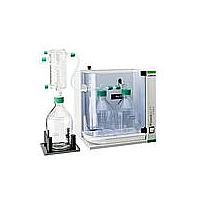
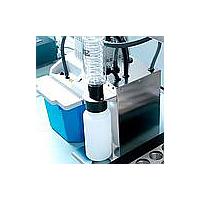
Toxic Vapor Filter Inspection Service
Safe handling of aggressive fumes in the laboratory depends on more than installing the right equipment. Over time, filters, sealing components, airflow paths, and connected scrubber systems can lose performance, making routine inspection an important part of risk control, equipment reliability, and compliance-focused maintenance.
Toxic Vapor Filter Inspection Service is intended for laboratories and technical facilities that work with corrosive vapors, solvent fumes, acid gases, or other hazardous airborne contaminants. A structured inspection helps verify whether the filtration system is still operating as expected, whether wear or blockage is affecting performance, and whether maintenance actions should be scheduled before problems lead to downtime or safety concerns.
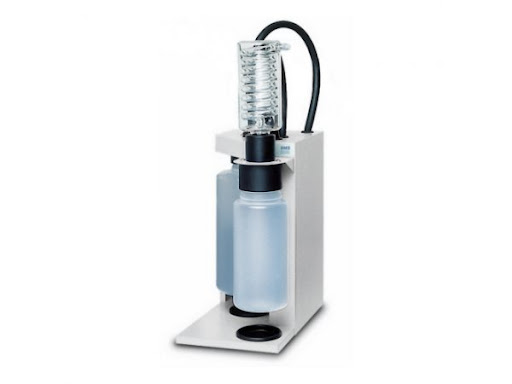
Why inspection matters for toxic vapor filtration systems
In many lab environments, vapor filtration is part of a broader protection strategy that includes local exhaust, chemical handling procedures, and operator safety practices. When a toxic vapor filter begins to degrade, the change is not always obvious during day-to-day operation. Reduced capture efficiency, rising resistance, leaks, or saturation can develop gradually and affect both process stability and workplace safety.
A professional inspection focuses on the condition of the system rather than assumptions about remaining filter life. This is especially relevant when the equipment is exposed to varying chemical loads, intermittent use, or demanding operating conditions. Instead of relying only on visual checks, an inspection-based approach supports better maintenance planning and more confident decisions about continued operation.
What is typically reviewed during the service
The scope of inspection can vary by equipment design, but the goal is usually to assess the overall health of the filtration unit and its supporting components. This may include the physical condition of housings, fittings, seals, ducts, indicators, and access points, along with signs of chemical attack, clogging, or mechanical deterioration.
Functional review is also important. Technicians may evaluate whether the system shows symptoms of reduced airflow, abnormal pressure behavior, uneven loading, or other performance changes that could indicate filter saturation or a developing fault. In systems connected to scrubbers or vapor treatment assemblies, the inspection helps identify whether the filtration stage is still aligned with the intended operating conditions.
- General condition of filter housing and related assemblies
- Signs of leakage, corrosion, damage, or improper sealing
- Visual and functional indicators of filter loading or reduced performance
- Maintenance condition and service readiness of connected equipment
Where this service is commonly used
This type of inspection is relevant in chemical laboratories, research facilities, quality control environments, pilot plants, and industrial testing areas where airborne contaminants need to be controlled at the source. It is particularly useful in workflows involving acids, solvents, reagent preparation, sample digestion, or other processes that generate challenging vapors.
Facilities often include toxic vapor filtration as part of a wider laboratory maintenance program. Depending on the equipment mix, users may also need related services for containment and support systems such as biosafety cabinet inspection or autoclave sterilizer inspection. Looking at these services together can help standardize preventive maintenance across the lab.
VELP systems and scrubber-related inspection context
For laboratories using equipment from VELP, inspection services can be especially relevant where vapor treatment or scrubber-based protection is part of the application. One representative example in this ecosystem is the VELP Scrubber Inspection Service, which highlights the importance of verifying operating condition rather than treating fume control equipment as a set-and-forget component.
When evaluating toxic vapor filtration performance, scrubber-related service history can provide useful context. Filter effectiveness is often influenced by the condition of nearby process equipment, maintenance intervals, and actual chemical exposure patterns. For that reason, inspection is not only about the filter element itself, but about how the entire protection chain is functioning in real use.
How to tell when an inspection should be scheduled
Some facilities inspect on a planned cycle, while others request service after noticing changes in operation. Common triggers include unusual odors, a drop in expected extraction behavior, visible corrosion, alarm indications, increased resistance, or uncertainty about service history after relocation or extended use. These signs do not always confirm failure, but they are strong reasons to perform a technical review.
Inspection is also advisable after maintenance work, process changes, or introduction of new chemicals that may affect filter loading. In laboratories with multiple pieces of equipment, aligning inspection intervals across critical assets can improve documentation, reduce unplanned interruptions, and make maintenance coordination easier. For rotating sample preparation equipment, some facilities also review services such as centrifuge inspection to keep broader equipment oversight consistent.
Choosing the right inspection approach
The most useful service approach is one that matches the actual application, exposure profile, and equipment configuration. Laboratories should consider what chemicals are handled, how often the system is used, whether operation is continuous or intermittent, and whether the filter is part of a standalone unit or a more complex vapor treatment setup. These factors help determine the inspection depth and the urgency of follow-up actions.
It is also important to distinguish between routine visual checking by in-house staff and a more formal inspection service. Daily or weekly checks can identify obvious issues, but a structured service is better suited to evaluating wear trends, serviceability, and whether the system remains appropriate for current operating conditions.
Support safer operation through regular verification
A toxic vapor filter only delivers value when its condition supports the protection level required by the application. Regular inspection helps laboratories move from reactive maintenance to a more controlled approach, where potential problems are identified early and service decisions are based on observable equipment condition.
For organizations managing laboratory safety, uptime, and documentation at the same time, toxic vapor filter inspection is a practical step in maintaining dependable fume control. A well-timed inspection can support safer operation, reduce uncertainty around filter condition, and help keep critical laboratory equipment working within expected limits.
Get exclusive volume discounts, bulk pricing updates, and new product alerts delivered directly to your inbox.
By subscribing, you agree to our Terms of Service and Privacy Policy.
Direct access to our certified experts