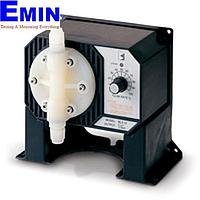
Dosing Pump Inspection Service
Reliable chemical dosing depends on more than correct pump sizing. In water treatment, process control, and industrial utility systems, even a small deviation in feed rate can affect product quality, chemical consumption, safety margins, and downstream instrumentation. A professional Dosing Pump Inspection Service helps verify whether the pump is operating as intended and identifies wear, drift, or installation issues before they become larger process problems.
This category brings together inspection services for dosing pumps used in continuous and intermittent chemical injection applications. It is relevant for facilities that need to check pump condition, confirm stable operation, and maintain confidence in dosing accuracy as part of a broader maintenance or inspection program.

Why dosing pump inspection matters in industrial systems
Dosing pumps are often installed in applications where precise chemical delivery is critical, such as pH adjustment, disinfection, coagulation, nutrient dosing, and process conditioning. Over time, normal wear on wetted parts, valves, diaphragms, tubing, seals, or drive components can reduce consistency and lead to unstable feed performance.
An inspection service is useful when operators notice fluctuating process readings, unexplained chemical overuse, irregular pump stroke behavior, or concerns after long operating periods. It is also a practical option during scheduled maintenance intervals, especially where dosing performance influences the reliability of related analyzers and controllers.
What is typically reviewed during a dosing pump inspection
Although the exact service scope depends on the pump design and site condition, inspection generally focuses on the pump’s operating condition, visible mechanical integrity, and functional behavior in service. The goal is not simply to confirm that the unit runs, but to evaluate whether it can support stable and repeatable dosing in the actual application.
Common review points may include suction and discharge condition, check valve performance, leakage signs, stroke or drive movement, tubing or connection status, and overall installation condition. In many systems, inspection also considers whether the pump is working in harmony with process monitoring equipment, particularly where online analyzers and control loops depend on consistent chemical feed.
Suitable applications for this service
This service is relevant across many B2B environments where chemical injection must remain controlled and predictable. Typical examples include water and wastewater treatment, cooling water systems, boiler treatment, chemical batching, neutralization skids, food and beverage utility systems, and general industrial process dosing.
It is especially valuable in facilities that rely on online measurement to adjust or confirm treatment performance. For example, unstable dosing may influence chlorine residual, conductivity, or ion-related readings. In these cases, pump inspection can be part of a wider maintenance strategy that also includes services for chlorine sensor and online controller inspection or conductivity and TDS inspection services.
Representative service options in this category
The category includes inspection services associated with established suppliers such as HANNA and GLobal Water. These manufacturer references help users find a service aligned with the equipment they already operate, while keeping the focus on inspection suitability rather than on unnecessary model comparison.
Examples available in this category include the HANNA Dosing Pump Inspection Service and the GLobal Water Dosing Pump Inspection Service. These listings are useful starting points when your maintenance team needs a brand-specific service path for installed equipment or wants to align inspection work with the pump manufacturer in use.
How to choose the right inspection service
When selecting a dosing pump inspection service, it helps to start with the actual process issue you are trying to solve. Some users need a preventive inspection during routine maintenance, while others are responding to symptoms such as inconsistent chemical feed, pump noise, pressure instability, or poor correlation between dosing output and process readings.
You should also consider the pump’s operating environment, chemical duty, service interval history, and whether the pump is part of a larger automated treatment system. If your installation includes multiple online devices, it can be more efficient to review related inspection categories at the same time, especially where sensor feedback and pump output directly influence one another.
Dosing pumps as part of a broader instrumentation ecosystem
In many plants, a dosing pump does not work in isolation. It supports a larger process control loop involving online sensors, transmitters, and controllers that monitor water quality or chemical condition in real time. If the dosing point is unstable, the resulting data trend may suggest a sensor problem when the true cause lies in the chemical feed system.
That is why pump inspection is often considered alongside other service categories such as free ion sensor inspection or SS and MLSS sensor controller inspection. Looking at the full chain of dosing, measurement, and control can help maintenance teams diagnose issues more efficiently and reduce repeated troubleshooting.
When to arrange an inspection
A scheduled inspection is often a practical choice after extended operating hours, after chemical changes, during seasonal maintenance shutdowns, or before restarting a system that has been idle. It is also worth considering when a pump has experienced unusual duty cycles, suction problems, air entrainment, or repeated manual adjustment in order to maintain process targets.
For operations teams, the key benefit of inspection is improved visibility into actual equipment condition. Instead of waiting for complete failure, an inspection helps identify developing issues early and supports better planning for maintenance, replacement parts, and process continuity.
Support more stable dosing performance
Choosing the right inspection service can help maintain dosing consistency, protect connected instrumentation, and reduce uncertainty in chemical treatment processes. Whether you are working with HANNA or GLobal Water equipment, this category provides a focused route for evaluating pump condition within real industrial operating environments.
If your process depends on accurate chemical injection and stable online readings, reviewing available dosing pump inspection services is a sensible next step. It can also be a useful foundation for broader maintenance planning across pumps, sensors, and controllers in the same system.
Get exclusive volume discounts, bulk pricing updates, and new product alerts delivered directly to your inbox.
By subscribing, you agree to our Terms of Service and Privacy Policy.
Direct access to our certified experts