
Wave Test Equipment Inspection Service
Reliable RF and telecom measurements depend as much on instrument condition as on test method. When wave test equipment is used to verify signal quality, frequency behavior, or transmission performance, regular inspection helps reduce measurement drift, unexpected downtime, and uncertainty in maintenance or production workflows. For laboratories, service teams, and manufacturers, a structured Wave Test Equipment Inspection Service supports confidence in everyday testing without turning maintenance into guesswork.
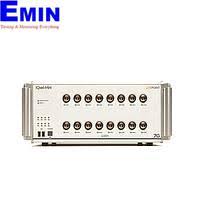
Why inspection matters for wave test equipment
Wave-related test instruments are often exposed to frequent handling, repeated setup changes, and demanding operating conditions. Over time, connectors, internal signal paths, displays, controls, and measurement response can be affected by wear, contamination, transport shock, or general aging. Inspection services help identify these issues before they lead to unreliable results.
In many telecom and electronics environments, the cost of a questionable measurement is higher than the cost of preventive service. A planned inspection process supports measurement reliability, improves traceability in service records, and helps users decide whether an instrument should remain in operation, receive further service, or be evaluated alongside related solutions such as vector network analyzer inspection services.
What is typically evaluated during the service
The exact workflow depends on the instrument type and condition, but inspection generally focuses on whether the equipment is mechanically sound, electrically stable, and suitable for continued use. This may include checks of external condition, connectors, control interfaces, display status, power behavior, and overall functional response under normal operating conditions.
For wave testing applications, technicians also pay attention to signs that can influence RF performance, such as unstable readings, damaged ports, inconsistent signal handling, or environmental effects that may impact repeatability. The goal is not only to find visible defects, but also to assess whether the instrument still supports a dependable test workflow in real operating conditions.
Common use cases in telecom, RF, and electronics environments
This category is relevant wherever wave-based measurements play a role in verification, maintenance, troubleshooting, or quality control. Typical users include telecom service organizations, electronics manufacturers, repair centers, research labs, and technical teams responsible for keeping RF test assets available and trustworthy.
Inspection is especially useful when instruments are moved between sites, shared across teams, or used in applications where signal integrity matters. In broader service planning, companies may combine this category with adjacent services such as RF and microwave power meter inspection or RF voltmeter inspection to keep multiple measurement points aligned across the same process chain.
Examples of available service options
Within this category, available service listings may reflect manufacturer-oriented support paths for commonly used equipment. Examples include the GW INSTEK Wave Testing Equipment Inspection Service and the Litepoint Wave Testing Equipment Inspection Service. These listings help buyers identify inspection options that fit existing instrument fleets and service preferences.
Where brand alignment matters, users can also explore related manufacturer pages such as GW INSTEK for broader product context. This is often helpful when organizations standardize on specific instrument ecosystems and want inspection planning that matches current equipment ownership and procurement patterns.
How to choose the right inspection service
The most suitable service depends on how the instrument is used, how critical the measurement is, and how the device fits into the larger maintenance process. Teams should consider application frequency, operating environment, historical issues, and whether the equipment supports troubleshooting, validation, incoming inspection, or production release tasks.
It is also useful to distinguish between inspection, calibration, and repair in internal planning. Inspection focuses on the condition and functional suitability of the equipment, while calibration and repair address different service objectives. If your organization manages a mixed bench of telecom and RF instruments, grouping service decisions by instrument role can simplify scheduling and reduce disruptions.
Benefits for maintenance planning and asset management
A well-timed inspection does more than confirm whether an instrument powers on and appears usable. It provides practical insight into current condition, highlights early signs of degradation, and supports more informed decisions about service intervals, spare equipment strategy, and operational risk. That is particularly valuable for B2B environments where one questionable test result can affect support costs, rework, or field performance.
From an asset management perspective, inspection records can also improve visibility across distributed equipment fleets. When instruments are used in service centers, field support networks, or shared engineering labs, periodic evaluation helps teams maintain consistency and prioritize follow-up actions with better technical justification.
When to consider scheduling an inspection
Inspection is worth considering after heavy use, relocation, storage over long periods, or any event that may have affected instrument condition. It is also a sensible step when users notice unstable behavior, unexplained deviations, connector wear, or general uncertainty about whether the equipment still performs as expected in daily work.
Many organizations also schedule inspections as part of preventive maintenance, before major projects, or ahead of audits and verification activities. In practice, this approach helps reduce unexpected interruptions and keeps test resources better aligned with operational demands.
Supporting dependable measurements over time
Choosing the right wave test equipment inspection service is ultimately about protecting measurement confidence and keeping technical operations efficient. Whether the priority is routine maintenance, troubleshooting support, or better visibility into instrument condition, inspection helps bridge the gap between owning test equipment and being able to trust it in real use.
For teams working with telecom and RF instruments, this category offers a focused starting point for evaluating service options by application and manufacturer. Reviewing available listings, current equipment usage, and related inspection needs can make it easier to build a service plan that is practical, traceable, and aligned with long-term test reliability.
Get exclusive volume discounts, bulk pricing updates, and new product alerts delivered directly to your inbox.
By subscribing, you agree to our Terms of Service and Privacy Policy.
Direct access to our certified experts
