Thermal Sensor Inspection Service
Reliable temperature data starts long before a reading appears on a controller, logger, or monitoring screen. In industrial environments, thermal sensors are often exposed to drift, contamination, aging, installation stress, and process conditions that can gradually reduce measurement confidence without obvious warning. A professional Thermal Sensor Inspection Service helps verify whether sensing performance remains suitable for the application and supports more stable process control, product quality, and maintenance planning.
This category is intended for users who need inspection support for temperature sensing devices used in manufacturing, laboratories, utilities, HVAC, environmental monitoring, and automated systems. Whether the sensor is part of a fixed installation or a portable measurement setup, inspection is a practical step when traceability, repeatability, and operational reliability matter.
Why thermal sensor inspection matters in practice
Temperature is one of the most frequently monitored process variables, but it is also one of the easiest to take for granted. A sensor may continue to provide readings even when response characteristics have changed, offsets have developed, or environmental influences are affecting accuracy. Inspection helps identify these issues before they lead to incorrect process decisions, unnecessary troubleshooting, or hidden quality deviations.
For B2B users, the value of inspection is not limited to compliance. It also supports measurement reliability across production lines, test benches, storage conditions, and building systems. In many applications, better confidence in thermal sensing can improve product consistency, energy performance, preventive maintenance, and documentation for internal quality systems.
What is typically covered in a thermal sensor inspection service
The scope of service may vary depending on the sensor type, installation condition, and intended use, but the objective is generally the same: assess whether the sensor remains fit for measurement tasks. This may include checking sensor condition, evaluating output behavior, reviewing basic performance consistency, and identifying signs of wear or damage that could affect thermal response.
Inspection is especially relevant for sensors used in long-term monitoring, harsh environments, or applications where small temperature deviations can influence process outcomes. Compared with replacing sensors on a fixed schedule, inspection provides a more informed basis for maintenance and replacement decisions.
When broader environmental instruments are involved, users may also review related services such as inspection for temperature, humidity, air pressure meters, and dataloggers to maintain consistency across the full measurement chain.
Typical applications and industries
Thermal sensors are used across a wide range of systems, from machine temperature monitoring and climate control to storage validation and test equipment. In production environments, they often support heating processes, cooling loops, drying systems, packaging lines, and equipment protection functions. In building and utility applications, they contribute to HVAC performance, environmental monitoring, and energy management.
Inspection is also relevant in sectors where documented measurement performance is important, such as pharmaceuticals, electronics, food processing, laboratories, and cleanroom-related operations. Even when the sensor itself is a relatively small component, its impact on the surrounding control loop or inspection workflow can be significant.
How to evaluate the right service for your equipment
Choosing a suitable inspection service starts with understanding how the sensor is used. Key considerations include the operating temperature range, installation method, process criticality, exposure to vibration or contamination, and whether the sensor is integrated with a transmitter, meter, or control system. These factors influence both the urgency of inspection and the type of technical review that will be most useful.
It is also helpful to consider the broader measurement ecosystem. If your site uses handheld instruments for spot checks, a complementary service such as contact temperature meter inspection can help align portable verification tools with installed sensing points. Where non-contact screening is part of maintenance routines, infrared thermometer inspection service may also be relevant.
Example service option within this category
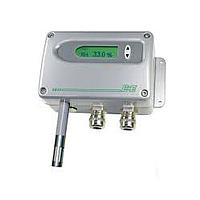
One representative offering in this category is the E+E ELECKTRONIK Thermal Sensor Inspection Service. This service is relevant for users working with temperature sensing solutions from E+E ELECKTRONIK, particularly where stable thermal measurement supports process monitoring or environmental control.
When reviewing a service option like this, the most important point is not the brand name alone but the fit with your installed device base, maintenance workflow, and documentation needs. For many technical teams, using a service aligned with the actual equipment in operation can simplify asset management and reduce ambiguity during maintenance planning.
Inspection compared with related thermal measurement services
Thermal sensor inspection focuses on the sensing element or related temperature measurement component itself, while other service categories cover different instrument types used in the same workflow. For example, inspection requirements for a thermal sensor are not identical to those for a handheld IR device or a thermal imaging system, because the operating principle, usage pattern, and failure modes differ.
Users responsible for condition monitoring or electrical maintenance may also work with thermal imaging camera inspection service in parallel with sensor-related checks. Looking at these categories together can help build a more complete thermal measurement strategy rather than treating each device type in isolation.
When inspection should be considered
Inspection is worth considering when measurement values appear inconsistent, when sensors have been in service for extended periods, after exposure to unusual operating conditions, or when process quality issues suggest a possible temperature measurement problem. It is also sensible before major audits, after shutdown maintenance, or when integrating older sensors into updated automation and monitoring systems.
Another practical trigger is a mismatch between installed sensor readings and reference instruments used in maintenance or quality checks. Rather than assuming the controller, logger, or field device is at fault, inspection helps determine whether the sensing element itself may be contributing to the deviation.
Supporting better decisions across the measurement lifecycle
A well-chosen thermal sensor inspection service does more than confirm whether a device is working. It supports a more structured approach to asset reliability, measurement confidence, and maintenance prioritization. For industrial users, that means fewer assumptions about temperature data and better visibility into how sensors are performing over time.
If your operation depends on dependable thermal measurements, this category provides a focused starting point for reviewing suitable service options. By matching inspection scope to application needs and device type, technical teams can maintain stronger control over temperature-related processes and make more informed service decisions.
Get exclusive volume discounts, bulk pricing updates, and new product alerts delivered directly to your inbox.
By subscribing, you agree to our Terms of Service and Privacy Policy.
Direct access to our certified experts