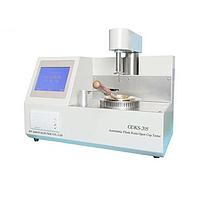
Flammability Testing Equipment Repair Service
When a flammability tester starts showing unstable ignition behavior, timing errors, sensor faults, or inconsistent test results, the issue affects more than one instrument. It can interrupt product validation, delay quality checks, and create uncertainty in safety-related testing workflows. A reliable Flammability Testing Equipment Repair Service helps restore equipment performance so laboratories, manufacturers, and testing facilities can return to controlled, repeatable operation.
This category focuses on repair support for flammability testing systems used in mechanical and physical testing environments. Whether the problem involves electrical components, control functions, burners, timing systems, displays, or general wear from repeated use, the goal of repair is to bring the equipment back to dependable working condition with attention to function, stability, and usability.
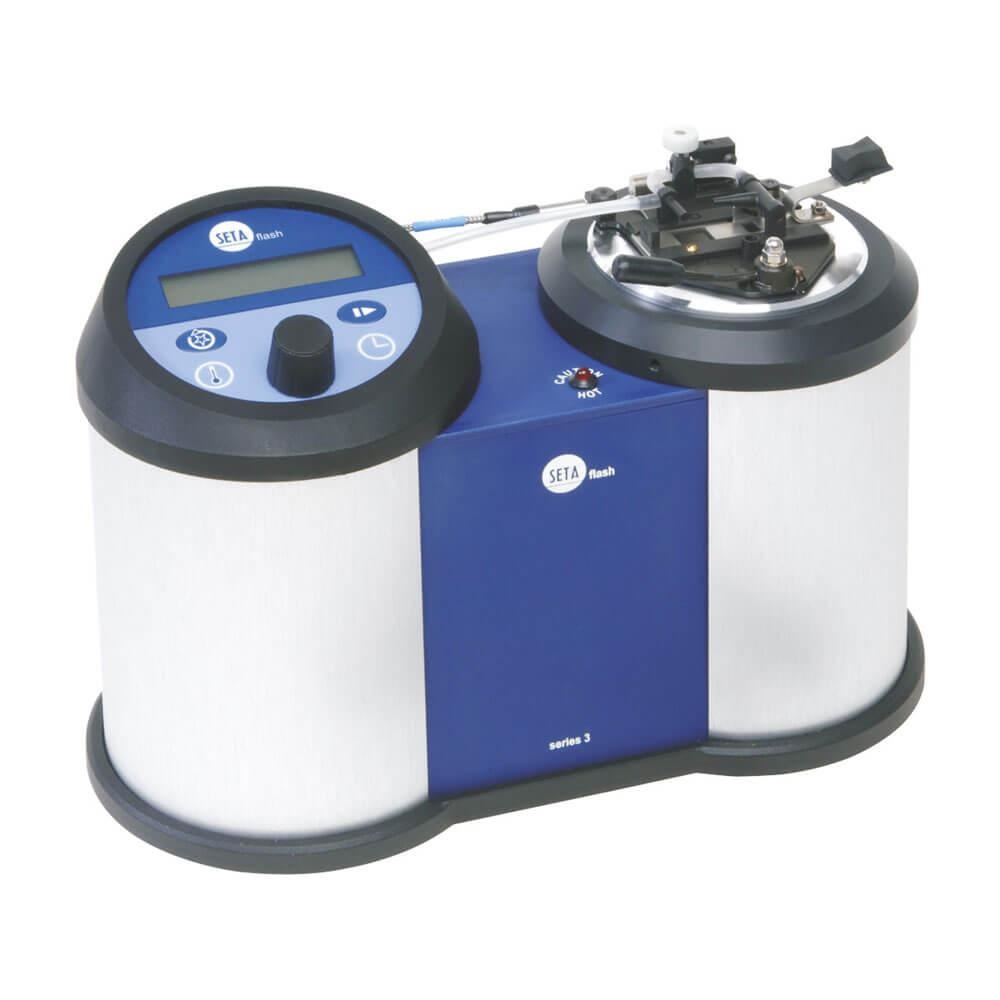
Why repair flammability testing equipment matters
Flammability testing instruments are commonly used where material safety and compliance testing depend on precise procedures. Even relatively small faults can affect flame application, timing control, specimen handling, or result consistency. In practice, this means a damaged or drifting instrument can compromise both throughput and confidence in the test process.
A structured repair service is especially important when equipment is still operational but no longer fully reliable. Addressing faults early can reduce unplanned downtime, prevent repeated test interruptions, and help users avoid replacing systems that may still have useful service life after proper technical restoration.
Typical repair needs in this category
Repair requirements for flammability testers often involve a combination of mechanical, electrical, and control-related issues. Common symptoms include startup failures, ignition problems, response errors on control panels, irregular timers, fixture wear, unstable test sequences, or damage caused by long-term operation in demanding lab conditions.
In many cases, service work begins with fault identification and functional inspection, followed by replacement or restoration of affected parts where necessary. For users managing several physical testing instruments, it is also common to review related service needs for equipment such as abrasion tester repair when broader laboratory maintenance planning is underway.
Supported brands and representative repair cases
This category can support repair requirements for selected flammability testing equipment from manufacturers such as Yasuda, JFM, and TONYHK. These brands are relevant examples for users looking for service options tied to known testing platforms rather than a generic repair description.
Representative service entries in this category include Yasuda Flammability Tester Repair Servicen, JFM Flammability Tester Repair Service, and TONYHK Flammability Tester Repair Servicen. These examples help clarify the scope of support around brand-specific flammability testers, while the underlying repair approach still depends on the actual fault condition, equipment status, and required restoration work.
What to consider before requesting service
Before arranging repair, it is useful to record the observable fault pattern as clearly as possible. Notes such as whether the unit powers on, whether ignition is inconsistent, whether timers drift, or whether the display and control interface respond normally can make diagnosis more efficient. If the failure appears after transport, extended storage, or heavy continuous use, that context is also valuable.
Users should also consider the equipment’s role in the full testing workflow. If flammability testing is part of a larger materials evaluation process, related systems may also require attention over time. For example, facilities that handle barrier and packaging performance testing may also review water vapor transmission rate test system repair or oxygen permeation system repair as part of coordinated equipment maintenance.
Repair service in a broader testing environment
Flammability testers rarely operate in isolation. They are often part of a laboratory ecosystem that includes conditioning, thermal testing, abrasion evaluation, and appearance or color-related measurements. Because of this, repair decisions should be made with overall workflow continuity in mind, not only the condition of a single instrument.
In environments where thermal processing equipment is also used, it may be practical to align service scheduling with furnace repair services to reduce operational disruption. This kind of coordinated planning is particularly helpful for quality labs and industrial test centers that rely on multiple physical testing systems across the same production or validation cycle.
How repair supports long-term equipment value
For many organizations, replacing a flammability tester is not always the first or most practical step. A well-targeted repair can restore core functionality, improve operational consistency, and extend the usable life of the instrument. This is especially relevant when the existing system already fits established test methods, fixtures, and operator routines.
Repair can also support better asset management by helping teams distinguish between recoverable faults and cases where replacement should be evaluated. In technical B2B settings, that distinction matters because downtime, retraining, and process requalification often carry costs beyond the hardware itself.
Choosing the right service path
The most effective service approach depends on the instrument condition, the severity of the fault, and how critical the tester is to current production or laboratory schedules. For some cases, the priority is restoring basic operation quickly. In others, a more complete service review may be appropriate to address multiple wear points at once and reduce the chance of repeated failures.
If you are reviewing service options for equipment from Yasuda, JFM, or TONYHK, this category provides a focused starting point for flammability tester repair within the broader field of mechanical and physical testing equipment support. A clear understanding of the fault symptoms, usage context, and related testing systems will make the repair process more efficient and help you decide on the most practical next step.
Get exclusive volume discounts, bulk pricing updates, and new product alerts delivered directly to your inbox.
By subscribing, you agree to our Terms of Service and Privacy Policy.
Direct access to our certified experts