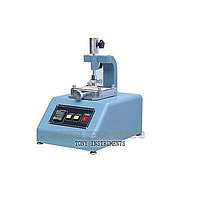
Friction Coefficient Tester Repair Service
When coefficient of friction data starts drifting, repeating poorly, or failing to match expected material behavior, the issue is often not just a test setup problem. In many labs and production environments, wear, sensor instability, mechanical misalignment, and control faults inside the instrument can gradually reduce confidence in results. A professional Friction Coefficient Tester Repair Service helps restore stable operation so friction testing can support quality control, product development, and material evaluation with less uncertainty.
This service category is intended for organizations using friction testing equipment in packaging, plastics, films, paper, coatings, textiles, and related material testing workflows. Whether the problem appears as abnormal readings, inconsistent motion, start-up errors, or general aging of the system, repair work should focus on returning the tester to dependable mechanical and functional condition.
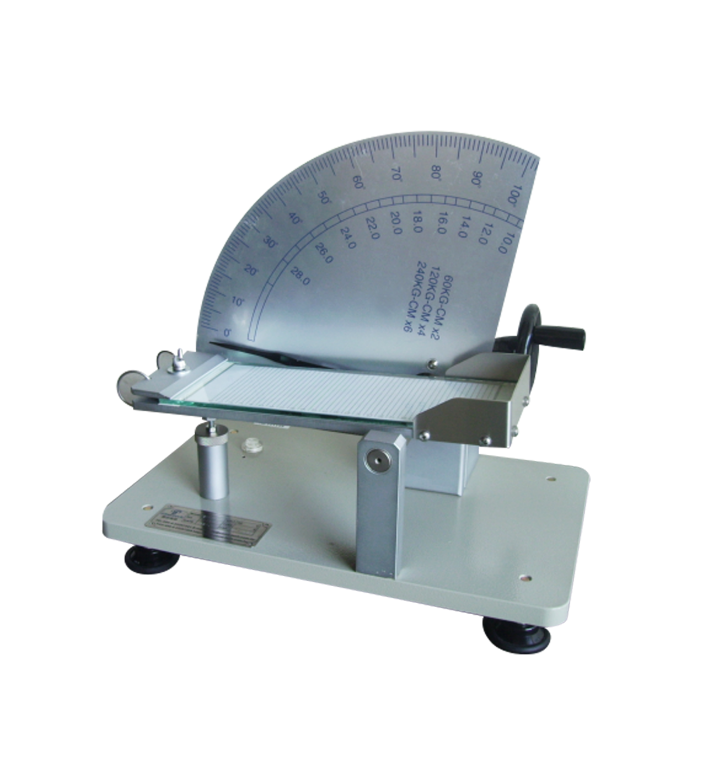
Why friction tester repair matters in daily testing work
A friction coefficient tester is used to evaluate how two surfaces interact under controlled conditions. Because the result depends on stable motion, proper load application, and accurate signal capture, even a small hardware issue can affect repeatability. In practice, this can lead to failed internal checks, questionable batch release decisions, or extra time spent retesting materials.
Repair service is especially important when a tester is part of a larger material performance program. If friction data is used alongside barrier, abrasion, or appearance testing, one unreliable instrument can slow the entire workflow. Timely repair helps maintain continuity and protects the value of previous validation and operating procedures.
Common signs that a friction coefficient tester may need service
Some problems are obvious, such as a unit that no longer powers on or cannot complete a test cycle. Others develop more gradually, including unstable readings, unexpected variation between repeated runs, irregular sled movement, communication issues, or controls that no longer respond consistently. Mechanical wear can also show up as noise, vibration, or sticking during operation.
Users may also notice that results no longer align with historical trends for the same material type. While method setup and sample preparation should always be checked first, persistent deviation can point to faults in the tester itself. In these cases, repair service becomes a practical step before further troubleshooting consumes unnecessary time.
Typical repair scope for friction testing equipment
A good repair process usually starts with fault isolation. This may involve checking the drive mechanism, motion control components, sensing elements, display or interface behavior, and the condition of critical electrical or mechanical assemblies. The goal is not simply to make the unit power up again, but to address the source of the performance issue.
For many systems, service work may include inspection of mechanical alignment, replacement of worn parts, restoration of stable movement, and verification of signal response. Depending on the instrument condition, technicians may also review control electronics, connectors, switches, or communication paths. The exact work depends on the model and observed symptoms, but the objective remains the same: restore reliable testing operation appropriate to the equipment design.
Representative brands covered in this category
This category includes repair support for equipment from manufacturers such as Cometech, JFM, and TONYHK. These brands are commonly referenced in friction testing applications, and service requirements can differ based on their control architecture, mechanical layout, and instrument age.
Examples in this category include the Cometech Friction Tester Repair Service, JFM Friction Tester Repair Service, and TONYHK Friction Testing Machine Repair Service. These examples help illustrate the range of supported equipment, but the broader purpose of the category is to support maintenance and fault recovery for friction testing systems used in real laboratory and production settings.
How to choose the right repair service approach
When selecting a repair service, it helps to describe the actual operating symptoms rather than only naming the instrument model. Information such as error behavior, drift pattern, failed motion sequence, unusual sounds, or conditions under which the fault appears can make diagnosis faster and more accurate. This is particularly useful for older systems where multiple issues may develop at the same time.
It is also worth considering whether the instrument is used in routine QC, R&D comparison testing, or customer-facing validation work. A tester that directly supports release decisions may require a more structured service path, including post-repair functional checks and closer review of overall operating condition. If your lab also maintains related equipment, you may want to review services such as abrasion tester repair or water vapor transmission rate test system repair to keep the wider testing workflow aligned.
Benefits of timely repair instead of prolonged workaround use
Continuing to use a tester that is already showing unstable behavior can create hidden costs. Teams may compensate by repeating tests, manually screening data, or limiting use of the instrument to noncritical work. Over time, those workarounds reduce productivity and can blur the line between sample variation and equipment-related error.
Timely repair helps restore repeatability, improve operator confidence, and reduce disruption in material testing schedules. It can also prevent minor faults from developing into larger failures that require more extensive service. In environments where friction measurements support process adjustment or supplier comparison, getting the tester back into dependable condition quickly is often the most practical path forward.
Supporting a more stable material testing environment
Friction testing is rarely isolated from the rest of the lab. It often sits alongside barrier, durability, and surface-performance evaluations, which means one unreliable instrument can affect reporting timelines and decision-making across multiple departments. Repair service therefore plays a broader role than equipment recovery alone; it supports a more consistent testing environment overall.
If your current unit is showing signs of drift, irregular motion, or recurring faults, this category provides a clear starting point for service options tied to friction testing equipment. A well-executed repair helps extend equipment usefulness, reduce uncertainty in daily operation, and bring the instrument back into a condition that better supports practical testing reliability.
Get exclusive volume discounts, bulk pricing updates, and new product alerts delivered directly to your inbox.
By subscribing, you agree to our Terms of Service and Privacy Policy.
Direct access to our certified experts