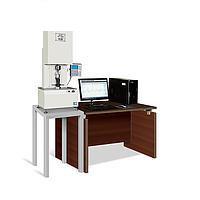
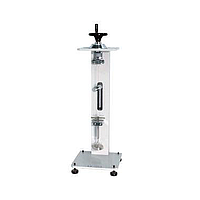
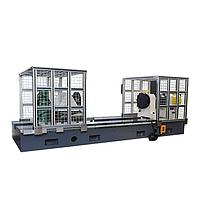
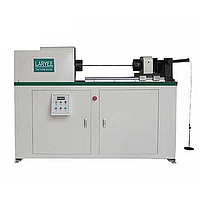
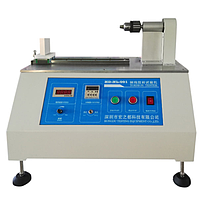
Metal Wire Torsion Testing Repair Service
When a torsion tester starts producing inconsistent results, the problem is rarely limited to a single failed part. In wire testing environments, even small issues in torque transmission, rotation control, clamping alignment, or result display can affect repeatability and confidence in the test process. That is why a focused Metal Wire Torsion Testing Repair Service matters for laboratories, quality departments, and production facilities that depend on reliable mechanical test equipment.
This service category is intended for users maintaining metal wire torsion testing systems used to evaluate twisting performance, ductility behavior, and material consistency. Whether the equipment shows unstable operation, mechanical wear, control faults, or accuracy concerns, proper repair helps restore dependable function and supports ongoing testing work with less disruption.
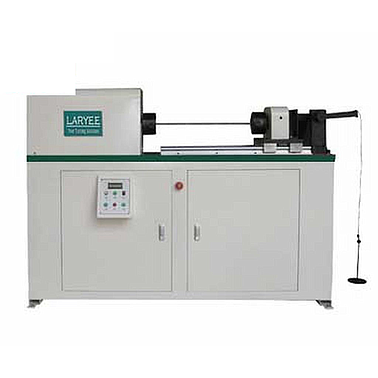
Why repair quality matters in wire torsion testing
Torsion testing places combined demands on both the mechanical and control sections of the instrument. The system must rotate smoothly, hold the specimen securely, and measure the test event in a stable and repeatable way. If the drive train develops play, the fixture loses alignment, or the control section no longer responds correctly, the final test outcome may no longer reflect the real behavior of the wire sample.
A well-executed repair service is not only about making the machine run again. It is also about recovering dependable operating condition so the equipment can continue to support routine inspection, incoming material checks, and failure analysis. In many facilities, this is especially important where torsion data is used alongside other physical and mechanical verification methods.
Typical issues seen in metal wire torsion testers
Metal wire torsion testing equipment can develop faults gradually through regular use or more suddenly after overload, poor handling, or aging components. Common symptoms include irregular rotation, abnormal noise, specimen slippage, unstable counting or display behavior, and difficulty completing the test cycle as expected. In some cases, operators may also notice that results vary too much between similar samples.
Because these systems combine moving assemblies and measurement-related functions, diagnosis usually needs to consider several layers at once. Problems may originate from the motor and transmission section, gripping components, rotational sensing, or the control interface. A structured repair process helps identify the root cause rather than only treating the visible symptom.
Service scope for supported equipment
This category covers repair needs related to metal wire torsion testers, including representative equipment such as the Yasuda Metal Wire Torsion Tester Repair Service and the KMT Metal Wire Torsion Tester Repair Service. These examples help illustrate the type of systems supported within this service range.
Repair work may involve restoring mechanical motion, checking fixture condition, addressing control-related faults, and improving operational stability after malfunction or wear. For users working with equipment from Yasuda or KMT, model-specific familiarity can help streamline troubleshooting and service planning, especially when the machine has been in use for long periods or has recurring issues.
How repair supports measurement consistency
In mechanical test equipment, reliable operation depends on more than whether the power is on and the spindle rotates. A torsion tester must maintain consistent test motion and specimen handling throughout the cycle. If the repair does not address the underlying condition of critical assemblies, users may still face drift, interruptions, or questionable test outcomes after the unit is returned to service.
This is why repair should be approached with attention to functional stability and practical usability. Operators need equipment that can be set up efficiently, run smoothly, and produce repeatable behavior from one test to the next. For quality teams, that consistency is often just as important as restoring basic operation.
When to consider repair instead of continued operation
Some facilities delay service because the instrument is still partially working. In practice, however, continuing to run a torsion tester with worn or unstable components can lead to more downtime, a higher risk of failed tests, and greater uncertainty in the inspection process. Early repair is often a practical choice when the machine shows reduced responsiveness, irregular mechanical behavior, or obvious differences from its normal operating pattern.
It is also useful to review related service needs across the wider test environment. For example, facilities that maintain multiple mechanical and physical testing instruments may also need support for an abrasion tester repair service or periodic work on laboratory furnaces repair service, depending on the testing workflow.
Choosing the right repair partner for torsion test equipment
For B2B users, service quality depends on whether the repair process understands the role of the equipment in actual testing operations. A suitable repair service should be able to evaluate both mechanical and control-related problems, communicate clearly about the condition of the unit, and support restoration in a way that aligns with ongoing lab or production requirements.
It is also helpful when the service provider can work within a broader testing equipment ecosystem. Many organizations operate several different instruments for physical property evaluation, and a coordinated approach can reduce administrative overhead and simplify maintenance planning across departments.
Practical value for labs, QA, and production teams
Metal wire torsion testing is often part of a larger quality assurance process where material behavior must be checked consistently over time. When the tester is not functioning correctly, the impact extends beyond one instrument. It can slow release decisions, interrupt comparative studies, and create uncertainty in internal quality records.
Using a dedicated metal wire torsion testing repair service helps restore equipment that plays a direct role in material verification. For teams responsible for uptime, traceable testing workflows, and dependable lab operation, timely repair is an important part of keeping the full test process running as intended.
Final considerations
If your torsion tester is showing unstable performance, mechanical wear, or operational faults, repair is often the most practical next step before those issues affect routine testing more seriously. A focused service approach helps recover equipment usability, supports repeatable test conditions, and extends the working life of important mechanical testing assets.
For organizations using wire torsion testing as part of broader inspection and quality programs, choosing the right repair path can improve both equipment reliability and day-to-day workflow continuity. This category is designed to help you identify the right service scope for that need.
Get exclusive volume discounts, bulk pricing updates, and new product alerts delivered directly to your inbox.
By subscribing, you agree to our Terms of Service and Privacy Policy.
Direct access to our certified experts