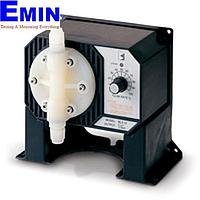
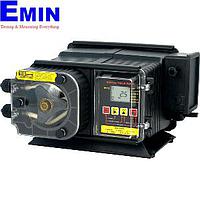
Dosing Pump Repair Service
When a dosing system starts delivering unstable chemical feed, the issue rarely stays isolated for long. In water treatment, process control, and industrial utility systems, even a small pump fault can affect dosing accuracy, chemical consumption, product quality, and downstream instrumentation. That is why a well-structured Dosing Pump Repair Service is important for facilities that depend on reliable and repeatable fluid injection.
This service category is intended for users who need support with worn, malfunctioning, or inconsistent dosing pumps used in continuous operation. Whether the concern is flow instability, failure to start, loss of output, or general wear after long service intervals, repair work helps extend equipment life and restore dependable operation without unnecessary replacement.
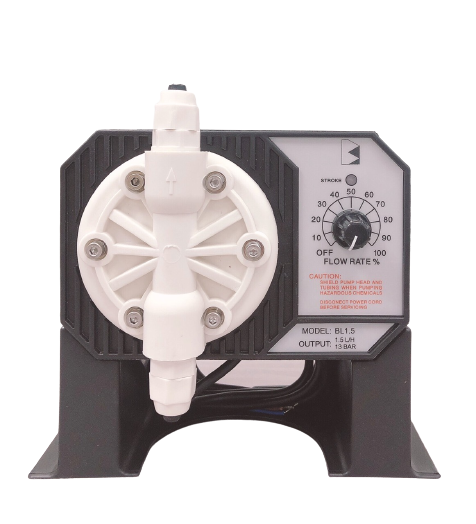
Why dosing pump repair matters in industrial processes
Dosing pumps are used where controlled liquid injection must remain consistent over time. Common applications include water and wastewater treatment, chemical conditioning, pH adjustment, disinfectant dosing, and other process steps where a measured quantity of liquid must be delivered at the correct rate and pressure.
Because these pumps often operate alongside sensors and controllers, mechanical or electrical degradation can create larger process problems. A failing pump may cause overdosing, underdosing, unstable control loops, or frequent alarms. In many systems, repair is not only about restoring the pump itself, but also about recovering the overall performance of the dosing line.
Typical issues addressed by a dosing pump repair service
A repair request is often triggered by symptoms rather than a confirmed fault. Users may notice reduced feed rate, irregular stroke behavior, leakage, unusual noise, priming difficulties, or communication and control response problems depending on the pump configuration. Over time, these issues can affect process reliability and maintenance planning.
A practical repair workflow usually focuses on identifying the source of failure, checking the condition of key components, and verifying that the pump returns to stable operation after service. In B2B environments, that matters because the pump is usually part of a larger system, not a standalone device.
- Loss of dosing consistency or unstable output
- Mechanical wear from long operating hours
- Electrical or control-related malfunction
- Chemical exposure affecting internal parts
- Performance drop after extended field use
Support for HANNA and GLobal Water equipment
This category includes repair support for selected brands commonly used in monitoring and dosing applications. For example, the HANNA Dosing Pump Repair Service is relevant for users operating HANNA equipment in water quality and treatment systems, while the GLobal Water Dosing Pump Repair Service supports maintenance needs for installed GLobal Water units.
For buyers managing installed equipment by manufacturer, it can also be useful to review the broader HANNA product range or the available GLobal Water solutions when planning service, spare-part strategy, or future replacement paths. This is especially helpful for sites standardizing equipment by brand across multiple treatment points.
How repair service fits into a wider control system
A dosing pump usually does not work alone. In many applications it is connected to online analyzers, transmitters, chemical tanks, and process controllers that determine when and how much liquid should be injected. If the pump underperforms, the whole loop may become less stable, even when the sensor and controller are still functioning correctly.
That is why repair planning often benefits from looking at the surrounding instrumentation. In systems where chemical feed is linked to disinfection or water quality measurement, related service categories such as chlorine sensor and online controller repair may also be relevant. Taking a system view can reduce repeat failures and improve troubleshooting efficiency.
What to consider before sending a pump for repair
Before arranging service, it helps to document the actual operating condition of the pump. Useful details include the observed symptom, application environment, type of chemical used, operating schedule, and whether the issue is constant or intermittent. These details can speed up diagnosis and make the repair process more accurate.
It is also worth checking whether the problem may originate outside the pump itself. Suction conditions, blocked lines, air ingress, incorrect controller settings, or signal-related issues can create symptoms that appear to be pump failure. A good service decision starts with understanding the complete dosing loop, not only the visible fault.
Repair versus replacement: a practical selection approach
In many facilities, the most sensible next step depends on downtime pressure, equipment age, and the criticality of the application. Repair is often a strong option when the installed pump remains suitable for the process and the main goal is to restore performance with minimal disruption. It can also support maintenance budgets by extending the usable life of existing assets.
Replacement may become more attractive when the unit has repeated failures, major component damage, or no longer matches process requirements. For procurement and maintenance teams, comparing the cost of repair against expected service life and process risk is usually more useful than making a decision based on equipment age alone. The right choice is the one that keeps the process stable and maintainable over time.
Choosing the right service category for your application
If your issue clearly involves the pump responsible for chemical injection, this category is the appropriate starting point. It is especially relevant for systems where dosing accuracy, response stability, and consistent feed performance are essential to daily operation. For maintenance teams, using the correct service category also helps route the request more efficiently.
If the fault appears to come from associated measurement devices rather than the pump, a sensor or controller repair category may be more suitable. Separating these cases early can save time, particularly in installations where online analysis and dosing logic are tightly connected.
Final considerations
A dependable dosing system supports process safety, treatment quality, and predictable operating costs. When performance begins to drift, a targeted dosing pump repair service offers a practical way to restore function and reduce the risk of wider process disruption.
For sites using HANNA, GLobal Water, or similar installed dosing equipment, this category provides a focused path for evaluating repair needs and planning the next maintenance step. If your pump is part of a larger monitored process, it is also worth reviewing related instruments so the entire system returns to stable operation together.
Get exclusive volume discounts, bulk pricing updates, and new product alerts delivered directly to your inbox.
By subscribing, you agree to our Terms of Service and Privacy Policy.
Direct access to our certified experts