SS, MLSS Sensor, Online Controller Repair Service
Stable suspended solids measurement is critical in wastewater treatment, clarifiers, biological process control, and sludge handling. When an online controller or SS/MLSS sensor begins to drift, lose signal, or respond inconsistently, the impact can extend well beyond a single instrument, affecting process visibility, dosing decisions, and operating efficiency.
This category focuses on SS, MLSS sensor and online controller repair service for systems used in continuous solids monitoring. It is intended for maintenance teams, plant operators, and industrial buyers looking to restore reliable measurement performance without replacing the entire installation unnecessarily.
Where this repair service is typically used
SS and MLSS instruments are commonly applied where continuous solids concentration data supports process control. Typical use cases include aeration basins, return sludge lines, settling tanks, and other treatment stages where operators need a dependable indication of suspended matter in water or slurry.
Because these devices operate in demanding environments, they are exposed to fouling, coating, moisture, vibration, cable stress, and long operating cycles. Over time, both the sensing element and the controller can develop faults that reduce accuracy or interrupt communication with the wider monitoring system.
Common issues with SS and MLSS monitoring systems
A repair requirement often begins with symptoms such as unstable readings, delayed response, signal dropout, calibration problems, or a controller that no longer processes sensor input correctly. In some cases, the issue may come from the sensor body or sensing surface; in others, the controller, connection interface, or power section may be the source of the fault.
For online measurement systems, apparent sensor failure is not always limited to the probe itself. Problems can also appear as intermittent display behavior, abnormal output values, communication errors, or reduced repeatability under normal operating conditions. A structured repair approach helps identify whether the failure is related to the sensor, controller electronics, or the interaction between both components.
What an online controller repair service helps restore
The main purpose of repair is to bring the measurement loop back to a usable and consistent operating state. For SS/MLSS applications, that generally means recovering signal stability, improving response behavior, and restoring dependable controller operation so the instrument can again support routine plant decisions.
This can be especially valuable when the installed system is already integrated into an existing process line or monitoring architecture. Instead of redesigning the measurement point, a focused repair service may help extend equipment life, reduce downtime, and preserve continuity in the plant’s instrumentation setup.
DYS repair support in this category
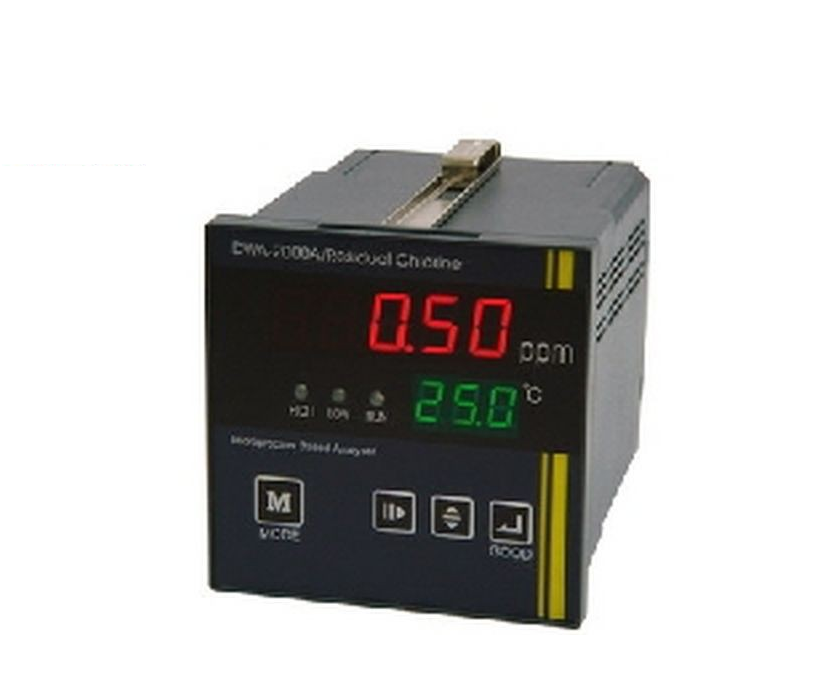
Within this category, one representative option is the DYS service offering for controller and sensor repair. The listed service, DYS Controler, Sensor SS, MLSS online Repair Service, reflects the practical need to address both the sensing side and the controller side of the measurement chain rather than treating them as isolated items.
This is particularly relevant for online solids monitoring, where field performance depends on the complete loop: sensor condition, controller processing, and stable transmission of the measured value. For buyers managing installed DYS equipment, a targeted repair path can be a practical option when troubleshooting recurring measurement faults.
How to evaluate whether repair is the right choice
Repair is often worth considering when the instrument is already installed in a working process location, the measurement point remains suitable, and the issue appears to be functional rather than a result of a full system obsolescence. Plants may also prefer repair when they want to minimize stoppage time and avoid changing mounting arrangements or controller integration.
Before selecting a service, it is useful to review the operating symptoms, installation environment, maintenance history, and whether the problem affects the sensor, the controller, or both. Clear fault descriptions can help streamline diagnosis and improve the chances of returning the unit to stable operation more quickly.
Related repair service categories for similar water analysis instruments
Facilities that use SS and MLSS measurement often maintain multiple online analytical points across the same treatment process. If your site also operates other liquid analysis instruments, related services may be relevant, such as chlorine sensor and controller repair or conductivity and TDS repair services.
Sites with broader water quality monitoring requirements may also need support for ion-selective measurement loops. In that case, free ion sensor repair services can complement maintenance planning across the full online instrumentation network.
Why category-specific repair service matters
SS and MLSS applications are not identical to other analytical measurements. The process media, sensor fouling behavior, installation points, and signal characteristics can differ significantly from those of chlorine, conductivity, or load-based systems. A category built around online solids measurement repair makes it easier to identify service options that match the actual instrument type and operating context.
For procurement teams and maintenance planners, that also improves search efficiency. Instead of reviewing generic service pages, they can focus on repair support aligned with suspended solids and mixed liquor suspended solids monitoring requirements.
Choosing a practical next step
When an SS or MLSS measurement point becomes unreliable, the priority is usually to restore confidence in the data as quickly as possible. A focused repair service can be a sensible route for installed online systems that still fit the process but no longer deliver consistent performance.
This category is designed to help buyers narrow that search to the right service scope. If your application involves a faulty suspended solids sensor, an unstable MLSS controller, or a combined issue across the measurement loop, reviewing the available repair options here is a practical starting point for getting the system back into operation.
Get exclusive volume discounts, bulk pricing updates, and new product alerts delivered directly to your inbox.
By subscribing, you agree to our Terms of Service and Privacy Policy.
Direct access to our certified experts