
Flouscent lamp tester inspection service
Reliable verification of fluorescent lamp test equipment is important wherever lighting components, electrical safety, and product quality need to be checked with confidence. In maintenance departments, manufacturing environments, and inspection workflows, even small measurement drift or functional deviation can affect test consistency, troubleshooting accuracy, and acceptance decisions. A structured Flouscent lamp tester inspection service helps confirm that the instrument is operating as intended and remains suitable for ongoing use.
For organizations that depend on repeatable electrical testing, inspection is not only about finding faults. It also supports preventive maintenance, improves confidence in recorded results, and helps reduce uncertainty when evaluating lamps, related circuits, or supporting test procedures over time.
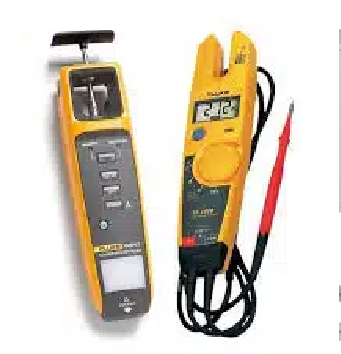
Why inspection matters for fluorescent lamp test equipment
Testers used for fluorescent lamp evaluation may be part of a broader electrical inspection process that includes function checks, output verification, and assessment of safe operating behavior. When this type of equipment is used regularly, normal wear, aging of internal components, environmental conditions, and handling during transport can gradually influence performance. Periodic inspection helps identify these issues before they lead to unreliable results.
In B2B settings, the value of inspection is often practical: keeping instruments available for work, supporting internal quality control, and reducing the risk of decisions based on questionable measurements. This is especially relevant when test equipment is shared across teams, used in scheduled service work, or included in routine verification processes for electrical products and installations.
What a fluorescent lamp tester inspection service typically focuses on
The exact inspection scope depends on the instrument type and how it is used, but the overall goal is clear: confirm that the tester remains functionally reliable for its intended application. This can include checking core operating behavior, reviewing visible condition, verifying basic performance, and identifying signs of instability or abnormal response during operation.
For many users, inspection also serves as an opportunity to evaluate whether the equipment is still aligned with current workflow requirements. If a tester has been exposed to frequent use, storage changes, field deployment, or inconsistent operating environments, regular review can help determine whether additional maintenance or follow-up service should be considered.
Common situations where this service is useful
A fluorescent lamp tester inspection service is commonly relevant when equipment has been in service for an extended period, has been moved between sites, or has shown signs of inconsistent behavior during testing. It is also useful before internal audits, scheduled maintenance cycles, or when companies want to standardize the condition of test assets across multiple workstations.
In some cases, the instrument may still appear to function normally, but the user needs documented confirmation that it remains appropriate for continued use. That is often the point where a formal inspection service becomes more valuable than ad hoc in-house checks, especially in environments where traceability and consistent procedures matter.
How this service fits into a broader electrical testing workflow
Fluorescent lamp testing does not exist in isolation. In many facilities, it is part of a wider ecosystem of electrical verification tools used for product inspection, maintenance support, and fault analysis. Keeping one instrument in good condition is helpful, but keeping the broader testing chain aligned is even more important for dependable outcomes.
Organizations that also manage related electrical test devices may benefit from reviewing complementary services such as withstand voltage test inspection service or low resistance meter inspection service. Looking at associated equipment together can make maintenance planning more efficient and help reduce gaps between different inspection points in the same process.
Points to consider before arranging inspection
Before sending a tester for inspection, it is helpful to review how the instrument is currently being used. Consider the operating frequency, the kind of lamps or circuits being evaluated, and whether the tester is used in a fixed setup or moved frequently between jobs. This context helps determine the urgency of inspection and supports better service planning.
It is also useful to note any symptoms observed during operation, such as unstable readings, inconsistent startup behavior, intermittent response, or physical wear. Even if these issues seem minor, they can provide valuable clues during evaluation. Clear usage history often makes the inspection process more efficient and more meaningful from a maintenance perspective.
Supporting equipment reliability across related test categories
Many companies maintain several kinds of electrical test instruments at the same time, especially in service, manufacturing, utilities, or technical support environments. When that is the case, inspection planning is usually more effective when it covers related equipment categories rather than treating each device in isolation.
Depending on your workflow, adjacent services such as breaker testing equipment inspection service or cable fault tester inspection service may also be relevant. This broader approach can help create a more consistent maintenance schedule and improve confidence in the instruments used across different stages of electrical testing.
Choosing the right service approach
When selecting an inspection service, the most important factor is whether the service supports the actual role of the instrument in your operation. A useful service should help clarify equipment condition, support ongoing usability, and contribute to measurement confidence in day-to-day work. For technical teams, that often matters more than generic claims or overly broad service descriptions.
If your fluorescent lamp tester is part of a controlled workflow, periodic inspection can be an effective way to reduce uncertainty and keep testing activities on a stable footing. It supports better decisions, cleaner maintenance planning, and more dependable operation over the long term.
By treating inspection as part of overall equipment management rather than a one-time task, businesses can maintain more consistent testing performance and reduce avoidable disruption. A well-timed Flouscent lamp tester inspection service is a practical step toward keeping electrical test equipment dependable, traceable, and ready for real operating demands.
Get exclusive volume discounts, bulk pricing updates, and new product alerts delivered directly to your inbox.
By subscribing, you agree to our Terms of Service and Privacy Policy.
Direct access to our certified experts