Video Borescope, Camera Repair Service
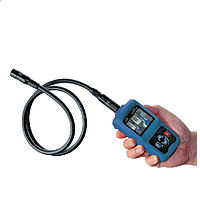
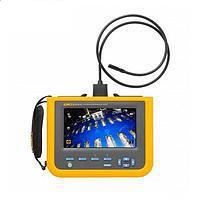
When visual inspection equipment starts showing unstable images, focus issues, connection faults, or intermittent operation, repair support becomes more than a maintenance task—it helps protect inspection quality, troubleshooting speed, and downtime control. This category brings together Video Borescope, Camera Repair Service options for equipment used in industrial inspection, diagnostics, and imaging workflows.
These services are relevant for teams that rely on video borescopes to inspect hard-to-reach areas and for users of high-speed cameras in testing, analysis, and process observation. Whether the issue affects image capture, probe performance, display behavior, or overall system reliability, a structured repair path can extend equipment usability and support more stable field or lab operation.
Repair support for inspection and imaging equipment
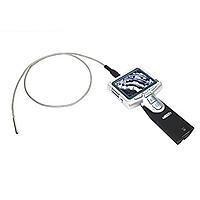
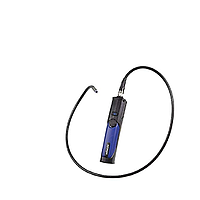
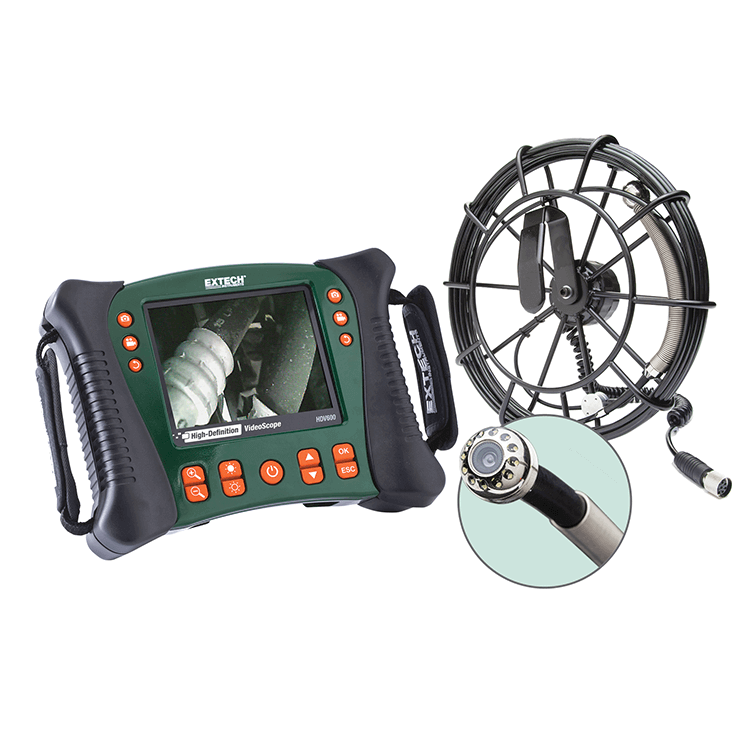
Video borescopes and specialized cameras are widely used where direct line-of-sight inspection is difficult or where fast events need to be recorded for analysis. In industrial maintenance, they help technicians inspect pipes, cavities, machinery interiors, weld zones, and other confined spaces without full disassembly. In testing environments, high-speed cameras support motion studies, process troubleshooting, and event analysis.
Because these devices combine optics, electronics, display elements, connectors, probes, and image processing components, faults can affect performance in different ways. A repair service category like this helps buyers and maintenance teams identify suitable support for the device type they use, rather than treating all imaging equipment as interchangeable.
Typical equipment covered in this category
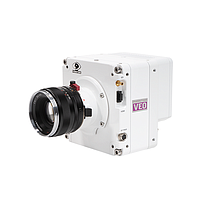
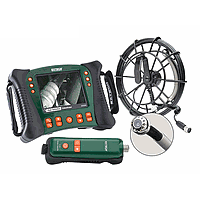
This category centers on service options for both industrial borescope systems and high-speed imaging equipment. Examples include the PHANTOM High Speed Camera Repair Service and the Ametek High Speed Camera Repair Service for demanding imaging applications, as well as borescope-related services such as FLIR Video Borescope Repair Service, EXTECH Video Borescope Repair Service, and FLUKE Video Borescope Repair Service.
Additional examples in the category include support for YATO, HT Instruments, PCE, and Wöhler video borescope equipment. These references help illustrate the range of supported service requests across different inspection and imaging use cases, from routine visual inspection tools to more specialized camera platforms.
Common service scenarios
Users usually look for repair services after noticing a drop in image quality, mechanical wear, charging or power irregularities, cable or probe damage, or communication problems between the camera and its display or recording unit. In borescopes, issues may appear during insertion, articulation, illumination, or live image transmission. In high-speed camera systems, the concern may relate to triggering behavior, storage response, connectivity, or image consistency during test capture.
For maintenance teams, choosing the right repair path is often about restoring inspection reliability rather than only fixing a visible fault. A borescope used for internal equipment checks must remain dependable in tight access conditions, while a high-speed camera used in analysis workflows must deliver repeatable imaging under real operating demands.
Brand-specific service options and why they matter
Repair requirements can vary by device family, operating design, and the way each manufacturer structures its imaging platform. That is why buyers often prefer service options aligned with known brands such as FLIR, FLUKE, PHANTOM, Ametek, EXTECH, and PCE when searching for support. Brand-specific service pages can make it easier to match the request to the right equipment type and intended use.
For example, a FLIR borescope used in inspection work may have a different service context from a PHANTOM high-speed camera used for testing and motion analysis. Grouping repair services by equipment family and manufacturer helps reduce ambiguity, especially for procurement teams or maintenance planners managing a mixed installed base.
How to choose the right repair service
A practical starting point is to identify the exact device class: video borescope or high-speed camera. From there, confirm the manufacturer, the symptoms observed, and whether the issue affects optics, display, power, communication, or mechanical handling. This helps route the request more efficiently and avoids delays caused by submitting the equipment under the wrong service type.
It is also useful to consider the operating environment. Equipment used in industrial plants, maintenance workshops, or field service can experience different wear patterns from devices used in laboratories or controlled test setups. Buyers comparing broader support options may also review related categories such as oscilloscope and logic analyzer repair services or thermal camera repair support when multiple diagnostic instruments are maintained under the same service workflow.
Where this category fits in a maintenance workflow
This service category is especially relevant for organizations that depend on visual evidence during inspection, failure analysis, maintenance verification, or process diagnostics. A damaged borescope can delay internal inspection tasks, while a camera fault can interrupt testing schedules or compromise documentation quality. In both cases, repair support plays a direct role in keeping technical operations moving.
It also fits naturally into broader equipment lifecycle planning. Companies that maintain electronic measurement tools, imaging devices, and test instruments often manage repair service needs across several product groups, including meters, thermal imaging tools, and other diagnostic platforms. Organizing service by device type improves traceability and makes future maintenance planning easier.
Who this category is intended for
This category is suitable for industrial maintenance teams, quality departments, laboratories, technical service providers, and procurement professionals sourcing support for specialized imaging equipment. It is particularly useful when the equipment is too important to replace casually, or when preserving an existing device setup is operationally preferable.
Camera and borescope repair services are also relevant in B2B environments where the equipment is tied to established inspection procedures, reporting routines, or test methods. In those cases, restoring a familiar device can be more practical than changing hardware and retraining operators around a different platform.
Final considerations before submitting a service request
Before selecting a repair option, it helps to gather the model reference, brand, a short fault description, and any visible signs of damage or performance change. Even when the exact root cause is not yet known, a clear description of the operating symptom improves service matching and reduces unnecessary back-and-forth.
For buyers looking after industrial inspection tools and imaging systems, this category offers a focused starting point for repair service selection. From video borescopes used in confined-space inspection to high-speed cameras used in analysis and testing, the goal is the same: restore dependable equipment performance with a service path that matches the device and the application.
Get exclusive volume discounts, bulk pricing updates, and new product alerts delivered directly to your inbox.
By subscribing, you agree to our Terms of Service and Privacy Policy.
Direct access to our certified experts