
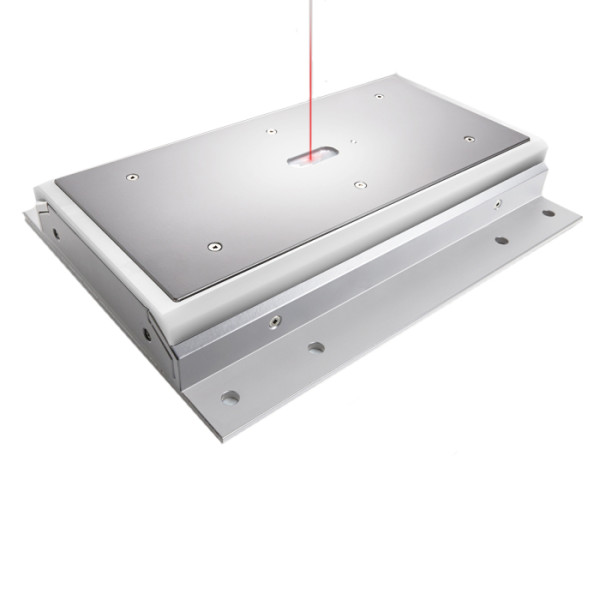
Finna MC Pro 1500 Sawmill Green Lumber Sorting System
Features
Non-contact, moisture/density sawmill meter for sorting green lumber before kiln drying
Digital pulse capacitive technology takes multiple readings per board and reports average or peak
Laser distance sensors compensate for vertical board movement or warp as the board passes over the sensors
Optional high-speed temperature sensor and reference sorting parameters
Proprietary background suppression eliminates sensor drift; sensor calibration not required
Assigns a ‘dry-ability’ index number (DIN) for sorting into four groups and the optional paint system marks each board for easy visual identification
Benefits
Increases kiln productivity by up to 15% and decreases moisture content variation after drying up to 2%
Maintains consistent sorting year-round – even with frozen wood
Capable of measuring boards at up to 250 lugs/min and passing sort decision to PLC
Painted loads allow for optimal kiln charges to be built by fork lift operators
Software monitors production for daily shift reports and allows access to historical data
Non-contact sensors minimize maintenance requirements and maximizes up-time
Key Specifications
Sensor Width: Plate 7″ – Mounting Frame 12″
Sensor Length: 16″ & 22″ Standard, 12″ to 30″ lengths available
Number of Sensors: Scalable
Sensor Location: 1″ – 2″ below lumber, non-contact
Line Speed: Max 250 lugs/min
Operating Temperature: -5ºC to +40ºC
Moisture Content Range: 6-100%
Product Description
The industry-leading moisture/density sorter groups green lumber into four categories, each with similar drying characteristics to help realize kiln productivity improvements and a reduction in the standard deviation after drying. Employing high-speed temperature and distance sensors, the system applies algorithms to maintain sorting through all conditions. Proprietary background suppressions means sensor calibration is not required. Intuitive software shows sorting results and the number of boards in each group to better coordinate drying scheduling.
Features
- Non-contact, moisture/density sawmill meter for sorting green lumber before kiln drying
- Digital pulse capacitive technology takes multiple readings per board and reports average or peak
- Laser distance sensors compensate for vertical board movement or warp as the
board passes over the sensors - Optional high-speed temperature sensor and reference sorting parameters
- Proprietary background suppression eliminates sensor drift; sensor calibration
not required - Assigns a ‘dry-ability’ index number (DIN)
for sorting into four groups and the optional paint system marks each board for easy visual identification
Benefits
- Increases kiln productivity by up to 15% and decreases moisture content variation after drying up to 2%
- Maintains consistent sorting year-round – even with frozen wood
- Capable of measuring boards at up to 250 lugs/min and passing sort decision to PLC
- Painted loads allow for optimal kiln charges to be built by fork lift operators
- Software monitors production for daily shift reports and allows access to historical data
- Non-contact sensors minimize maintenance requirements and maximizes up-time
Key Specifications
- Sensor Width: Plate 7″ – Mounting Frame 12″
- Sensor Length: 16″ & 22″ Standard, 12″ to 30″ lengths available
- Number of Sensors: Scalable
- Sensor Location: 1″ – 2″ below lumber, non-contact
- Line Speed: Max 250 lugs/min
- Operating Temperature: -5ºC to +40ºC
- Moisture Content Range: 6-100%
Additional Information
| Process | SCSFP |
|---|---|
| Pin Feature | Pinless |
| Contact Feature | Non-Contact |
| Measurement Method | Radio Frequency |
| CATALOG |
Get exclusive volume discounts, bulk pricing updates, and new product alerts delivered directly to your inbox.
By subscribing, you agree to our Terms of Service and Privacy Policy.
Direct access to our certified experts