What is the pH, hardness and TDS in coffee brewing water?
To fully exploit the flavor of coffee, people not only care about the process of roasting, drying or preserving beans, but also pay special attention to the water used for brewing. Of which, the three important factors that need to be controlled are pH, hardness and TDS.
TDS (Total Dissolved Solids): TDS is the total concentration of solids dissolved in water, including minerals, ions, salts, etc. TDS indicates how many mg of solids exist in the form of microscopic molecules in one liter of water.
pH: Reflects the acidity and alkalinity of water. Water with pH = 7 is considered neutral; lower means acidic, higher means alkaline. This index directly affects the perception of sourness, sweetness and balance in a cup of coffee.
Hardness: Related to the amount of calcium (Ca²⁺) and magnesium (Mg²⁺) dissolved in water. This is the factor that determines the extraction ability and also affects the life of the machine.
According to the recommendations of the Specialty Coffee Association (SCA):
- Ideal TDS is in the range of 75–250 mg/l, the most standard is about 150 mg/l.
- Standard pH is close to 7, acceptable from 6.5–7.5.
- Recommended hardness is about 68 mg/l.
If TDS is too low, the water becomes "bland", not able to extract all the essence from the coffee powder. If too high, the taste is harsh and heavy. Similarly, water that is too acidic or too alkaline will unbalance the flavor, while excessive hardness not only affects the taste but also easily causes scale and damages the machine.
Why check TDS before making coffee?
A cup of coffee is considered “standard” when it reaches an extraction level of 18%–22%. This is the golden range: below this threshold, coffee is often weak, and above this threshold, it tastes harsh, bitter and less pleasant.
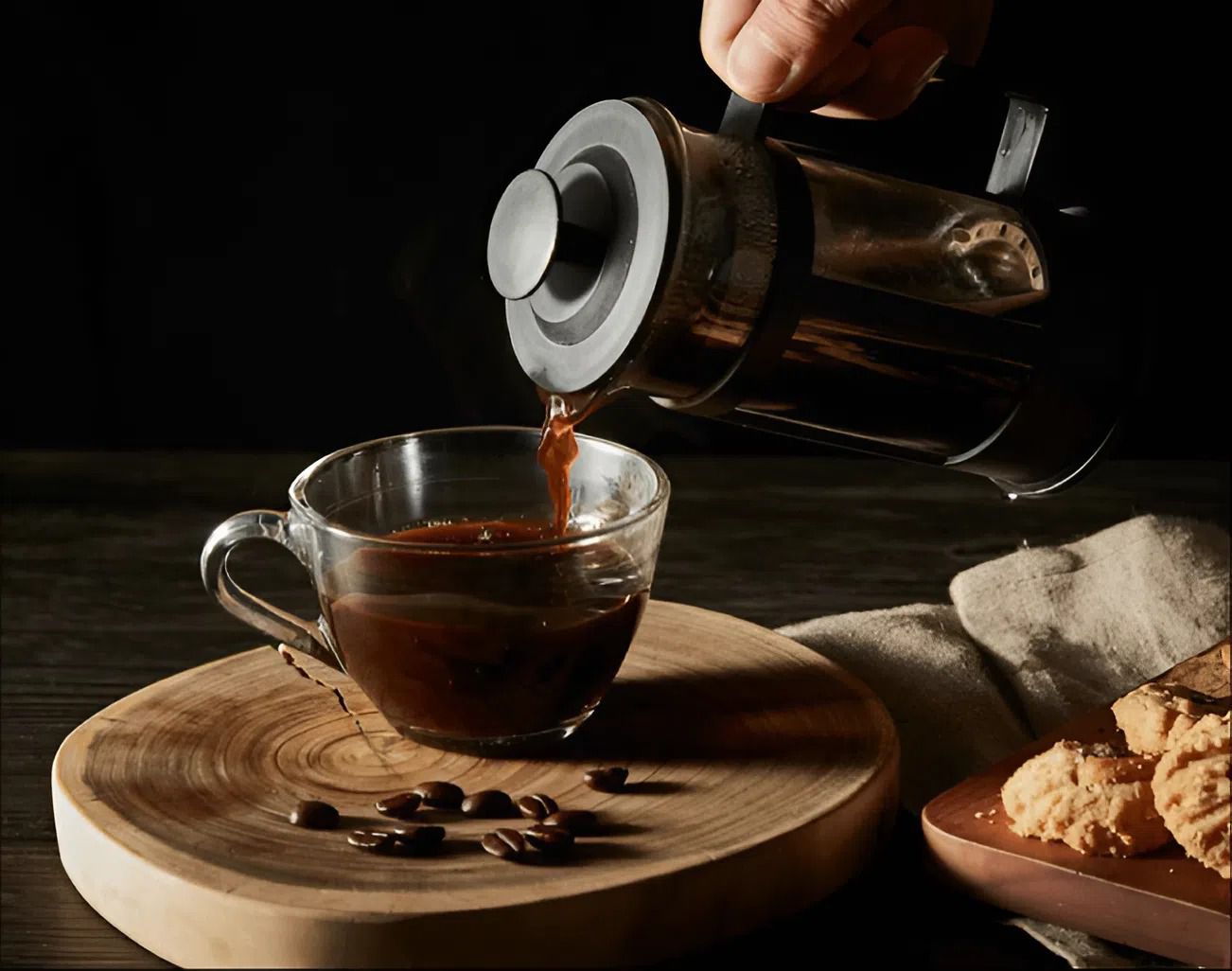
The key factor that directly affects the extraction efficiency is the TDS (total dissolved solids) in the water. When the TDS concentration is high, the amount of minerals and ions has taken up space, reducing the ability to extract the flavor from the coffee powder. Conversely, if the TDS is too low, the water does not have enough “strength” to completely dissolve the essence, making the coffee weak and lacking in depth.
Related article: What is the normal moisture content of coffee, how to measure & preserve it
How to control TDS in coffee
Coffee is a daily habit of many people, from the morning espresso to start the day to relaxing chats after work. But to maintain a stable flavor, choosing good beans is not enough, the brewing water and TDS index really determine the final quality.
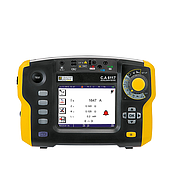
Currently, TDS meters are integrated with pH measurement function, helping users monitor both parameters in just one operation. In just a few seconds, the screen will display clear and simple results, helping you easily calibrate the water source.
This is especially necessary not only for home coffee lovers but also for large and small coffee shops and chains. Maintaining stable TDS and pH not only helps improve customer experience, but also contributes to building brand reputation in the industry.
Some commonly used devices to test TDS in coffee brewing water include: Hanna HI9811-5, PCE PH 25 multi-parameter meter (TDS, EC, pH, salinity)... These are compact solutions but provide high accuracy, suitable for both professional bartenders and individual users.