For full functionality of this site it is necessary to enable JavaScript.
EMIN.COM.MM
0

How to identify water contaminated with alum.

03/27/2026 09:18:38

Water contaminated with alum is a common problem in many areas of Vietnam, especially in regions using drilled wells or groundwater. This condition not only reduces the quality of drinking water but also affects health and damages household appliances. Early detection of alum contamination in water and testing with a pH meter will help you take timely action, ensuring a safe water supply for daily life and production.

How to Identify Water Contaminated with Alum

Alum-contaminated water is a common problem in many areas of Vietnam, especially in regions using well water or groundwater. This condition is not only reduces the quality of living water but also affects to health and damages household instrument. Early identification of alum-contaminated water and testing with a pH meter will help you take timely action, ensuring a safe water source for daily life and production.

What is alum-contaminated water?

Alum-contaminated water is water containing high levels of metal compounds such as iron (Fe), aluminum (Al), manganese (Mn), or sulfate compounds. When these substances dissolve in water, they alter the pH, color, and taste of the water. Typically, alum-contaminated water has a low pH (acidic), often below neutral. This can cause metal corrosion, stain equipment, and is harmful to health if used long-term.
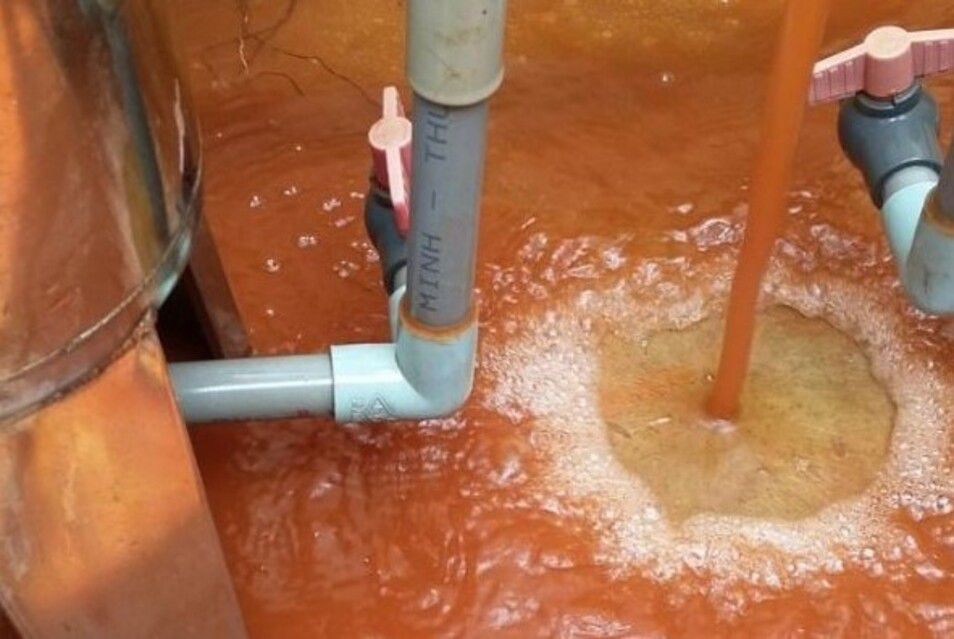
1. Yellow or Reddish-Brown Color

When first pumped, well water may be clear, but after a few minutes it will turn to yellow, reddish-brown, or cloudy. This is because the iron in the water oxidizes upon contact with air.

2. Characteristic Fishy Odor

Iron-contaminated water often has a fishy smell similar to metal or iron.

3. Yellow deposits or buildup on equipment. This is a sign of high iron or manganese content in the water.

Yellow stains appear on sinks and toilets.

Scaling in water pipes.

Clothes turn yellow after washing.

4. Sour or Metallic Taste

Some sources of iron-contaminated water have a slightly sour or metallic taste, due to low pH and high mineral content.

5. Testing with a pH Meter
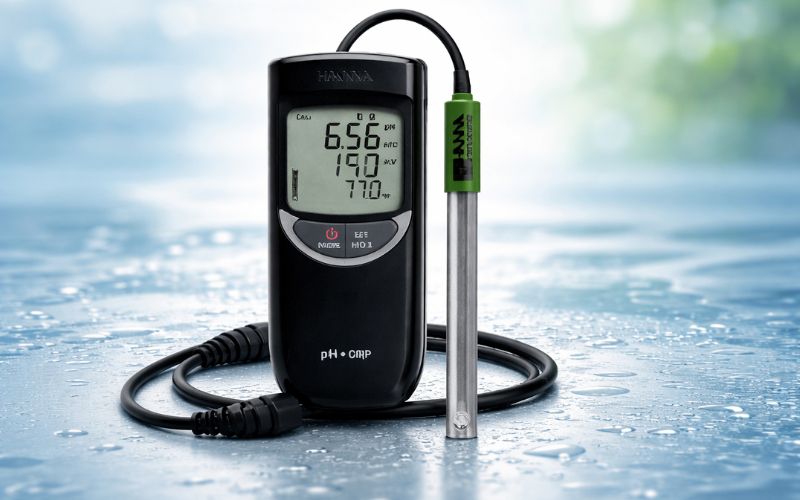
Depending on the usage environment and measurement requirements, a pH pen, handheld pH meter, or benchtop pH meter can be used to determine if the water is contaminated with iron or other substances. These pH measuring devices are commonly used in testing well water, drinking water, and aquaculture water, providing quick and accurate results.

If the pH meter reading < 6 → the water is likely contaminated with iron or high levels of acid.

pH is an indicator of the acidity or alkalinity of water. Standard drinking water usually has a pH between 6.5 and 8.5.

pH = 7 → Neutral

pH < 7 → Acidic water

pH > 7 → Alkaline water

You can refer to some best-selling pH meters distributed by EMIN such as: Hanna pH meterEzdo pH meter

Related news:

How to treat iron-contaminated water you need to know

What is iron-contaminated water? What is the pH of iron-contaminated water?
Related News

What Is the Standard 3-Phase Voltage? How to Read Cabinet-Mounted Meters Without Errors
07/13/2026 15:09:18

Voltmeters are almost invariably found on the panels of electrical cabinets in factories, power stations, or generator systems. A glance lasting just a few seconds allows an operator to determine whether the power supply is stable or showing signs of abnormality. However, not everyone understands the significance of the displayed readings, particularly regarding three-phase electrical systems.

Distinguishing between ARI’s Hypot, HypotUltra, and HypotMax: Which device is right for your factory?
07/13/2026 09:48:30

Few people realize that the concept of the "Hipot Test"—or electrical safety testing—has long existed within the electrical equipment manufacturing industry. Driven by the growing need to verify the voltage withstand capabilities of conductors, motors, and electrical devices, the industry required a robust and virtually fail-safe method to detect insulation weaknesses before products reached the market.

What Is Resonant Frequency? Why Can a Single Frequency Range Damage the Entire Product?
07/10/2026 15:10:46

A device may operate stably for months, yet suffer cracks, broken solder joints, or snapped component leads after being transported. What surprises many engineers is that the vibration amplitude during transport is no greater than usual. The root cause lies in a specific frequency range where the product's structure absorbs energy most intensely, triggering resonance and causing continuous stress concentration at a single point.

Should Carton Packaging Undergo Vibration Testing or Drop Testing First?
07/10/2026 10:38:40

Một kiện hàng gần như không bao giờ bị rơi ngay khi vừa rời khỏi nhà máy. Quãng đường hàng trăm kilomet trên xe tải, container hay băng chuyền mới là giai đoạn diễn ra đầu tiên, nơi bao bì liên tục chịu rung lắc trong nhiều giờ. Chỉ sau đó mới đến những cú va chạm khi bốc xếp, giao nhận hoặc rơi ngoài ý muốn.

Stay Updated with Offers

Get exclusive volume discounts, bulk pricing updates, and new product alerts delivered directly to your inbox.

By subscribing, you agree to our Terms of Service and Privacy Policy.

Quick Support

Direct access to our certified experts