Electrical Enclosures
Protecting electrical and control components is not only about keeping dust and moisture out. In industrial panels, machine installations, and field wiring points, the right housing also helps maintain safety, simplify maintenance, and support a cleaner system layout. This is where Electrical Enclosures become a practical part of the overall automation and power distribution environment.
On this page, buyers can explore enclosure solutions used for terminal protection, junction point organization, pushbutton station housing, and compact cabinet-style installations. The range covers everything from small control station bodies to larger terminal boxes and steel enclosures for more demanding industrial settings.
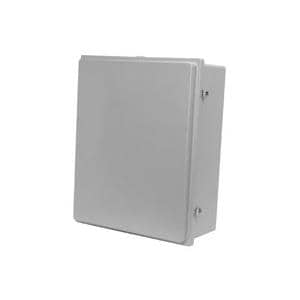
Where electrical enclosures fit in industrial systems
An enclosure provides a defined and protected space for electrical connections, control devices, and supporting hardware. Depending on the application, it may be used to house terminal blocks, splices, pushbuttons, relays, distribution components, or other installation elements that need physical protection and structured cable entry.
In many projects, enclosure selection is tied directly to installation conditions. Indoor control panels, exposed field locations, machine-mounted operator stations, and general-purpose wiring points all place different demands on material, size, ingress protection, and access. For projects that also require add-on parts such as glands, mounting hardware, or sealing components, related electrical enclosure accessories can help complete the assembly.
Common enclosure types in this category
This category includes several enclosure formats used across automation and electrical infrastructure. Terminal boxes are typically chosen when installers need a compact but organized space for routing and protecting field wiring or terminal assemblies. Junction boxes are often used where multiple cable runs or connection points need to be consolidated in a protected housing.
There are also control station enclosures designed to support operator devices such as 22 mm pushbuttons. These are especially useful on machines, local operator interfaces, or isolated control points where a dedicated station is needed. Larger cabinet-style designs may be better suited for more expansive assemblies, especially when component depth, cable routing, and access space become more important.
Examples from leading industrial manufacturers
Several well-known manufacturers are represented in this category, with enclosure formats suited to different installation needs. PHOENIX CONTACT appears prominently with terminal box and junction box options in multiple sizes, making it easier to match enclosure dimensions to available panel space or field mounting constraints.
For more cabinet-oriented applications, APC by Schneider Electric offers models such as the NSYSM14840P compact enclosure, a steel design listed with IP55 protection and dimensions that suit broader equipment integration. SCHNEIDER control station housings such as XAPM2204 and XAPM1202 illustrate another use case: protecting pushbutton assemblies in localized machine control positions. TE Connectivity is also represented with electrical assembly enclosure options that may fit specialized integration requirements.
How to choose the right enclosure
Selection usually starts with the basic operating environment. Installers should consider whether the enclosure will be mounted indoors, exposed to washdown or dust, or placed in an area where impact resistance and corrosion behavior matter. IP rating, material type, and mechanical durability are all important when the enclosure must support long-term reliability.
Size is the next major factor. Internal space should account not only for the components themselves, but also for wiring bend radius, terminal access, cable entries, and future servicing. A compact unit can save space, but an enclosure that is too small often makes installation and maintenance more difficult. In larger systems, buyers may also compare options across broader industrial automation enclosures to align the housing style with the rest of the control architecture.
Material, protection, and application fit
Material choice often reflects both environment and installation practice. Steel enclosures are commonly selected for robust industrial duty where structure and rigidity are important. Other housings may be optimized for lighter-duty use, local control stations, or applications where form factor and ease of mounting are the priority.
Protection level should always be matched to actual site conditions rather than selected on assumption alone. For example, an IP65-rated control station enclosure may be suitable for harsher exposure than a basic indoor housing, while an IP55 steel enclosure can be appropriate for many industrial cabinet applications. The goal is to balance protection, accessibility, and cost without over-specifying the installation.
Typical applications across control and distribution systems
Electrical enclosures are used in a wide range of industrial and commercial projects. Typical examples include field junction points, operator pushbutton stations, terminal distribution points, communication or splice protection, and localized control assemblies mounted near equipment. In these roles, the enclosure helps maintain a structured interface between internal electrical components and the surrounding environment.
Some products in this category also support more specialized infrastructure. Eaton, for instance, is represented by a fiber splice dome enclosure designed for organized splicing and panel-based fiber management. That highlights an important point: not every enclosure serves the same purpose, so buyers should evaluate whether the requirement is for power wiring, control devices, terminal organization, or communications protection. Where equipment must be installed in structured IT or network-style layouts, dedicated rack cabinets may be a better fit than a standard field enclosure.
Why category-level comparison matters
On a category page like this, the real value is the ability to compare enclosure formats side by side before narrowing down to a specific product. Instead of choosing by brand name alone, buyers can assess overall form factor, intended use, dimensions, ingress protection, and how each housing supports installation workflow.
This is especially helpful when sourcing for OEM panels, maintenance replacement, machine retrofits, or plant expansion projects. A terminal box from PHOENIX CONTACT, a compact steel cabinet from APC by Schneider Electric, or a pushbutton station enclosure from SCHNEIDER may all be relevant choices, but each addresses a different practical requirement. Reviewing the category as a whole helps define that requirement more clearly before moving into product-level selection.
Final considerations before ordering
The most effective enclosure choice usually comes from matching the housing to the real installation context: component count, mounting location, environmental exposure, access needs, and future maintenance expectations. Looking at enclosure size alone is rarely enough, particularly when wiring density and operator access have a direct impact on serviceability.
Whether the need is a compact junction box, a terminal enclosure, a pushbutton housing, or a larger industrial cabinet, this category provides a focused starting point for building a safer and more organized electrical installation. Comparing the available options carefully can help ensure the enclosure supports both immediate project needs and long-term system reliability.
Get exclusive volume discounts, bulk pricing updates, and new product alerts delivered directly to your inbox.
By subscribing, you agree to our Terms of Service and Privacy Policy.
Direct access to our certified experts