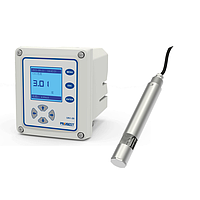
Color Sensors
Accurate color recognition can be critical in automated production, especially when a machine needs to distinguish parts, confirm labels, detect print marks, or verify product consistency at speed. In these situations, color sensors help convert visual differences into reliable electrical signals that can be used for sorting, positioning, quality checks, and process control.
Within industrial sensing systems, these devices are used where simple presence detection is not enough and the target must be identified by its color or contrast. That makes them relevant across packaging, assembly, material handling, electronics, and many other applications where repeatability and fast response matter.
Where color sensors are used in industrial automation
A color sensor is typically selected when a machine must tell one mark, surface, or product variant from another based on reflected light. Common examples include detecting registration marks on packaging film, distinguishing caps or components by color, checking whether printed labels match the expected version, or confirming that a workpiece is in the correct position before the next process step.
These sensors can also support quality control by identifying deviations that would be difficult to monitor manually in high-speed production. In automated lines, stable color detection helps reduce operator dependence, improve repeatability, and support faster decision-making at the control level.
How these sensors fit into a broader sensing system
Color sensing is often part of a wider inspection or automation architecture rather than a standalone function. A machine may combine color-based detection with other technologies such as ambient light sensing for environmental monitoring or with air quality sensors in production spaces where process conditions also need to be controlled.
In some applications, the requirement is not to identify a color but to confirm contrast, movement, angle, or media flow. That is why buyers often compare color sensing with nearby categories such as flow sensors & pitot tubes or inclinometers when building a complete automation system. The right choice depends on what physical change the machine actually needs to detect.
Key considerations when choosing a color sensor
The first point to clarify is the detection task itself. Some applications require recognition of a specific color mark, while others need comparison between taught reference colors, contrast detection, or discrimination between closely related shades. The more demanding the distinction, the more important it becomes to review sensing distance, target size, surface finish, background influence, and installation conditions.
Lighting stability is another practical factor. Reflective surfaces, gloss, ambient light variation, vibration, and changing product position can all affect measurement reliability. For this reason, buyers should evaluate not only nominal sensing capability but also how the device will perform in the actual machine environment, including mounting constraints and cycle speed.
Electrical integration also matters. In industrial settings, a sensor must fit the control architecture, switching logic, and wiring standards already in use. When selecting a device, it is useful to consider response behavior, setup method, teach-in functionality, and how easily operators or maintenance teams can adjust it during changeovers.
Benefits of using color detection in automated processes
When applied correctly, industrial color detection can improve both process accuracy and throughput. Instead of relying on manual checks, manufacturers can automate product differentiation and inspection at line speed. This helps reduce sorting errors, prevent incorrect packaging combinations, and improve traceability in repetitive operations.
Color sensors can also support more flexible production. Where a line handles multiple variants, automatic recognition of labels, caps, markers, or parts can simplify changeovers and reduce setup mistakes. In environments where consistency is essential, this contributes to more stable quality control and fewer interruptions downstream.
Typical applications across industries
In packaging machinery, color sensors are frequently used to detect print marks for web alignment and cutting accuracy. In assembly systems, they can confirm the presence of the correct component variant or help sort parts by visible characteristics. In printing and labeling, they may be used to verify registration or distinguish between different label designs during high-speed processing.
They are also relevant in electronics, plastics, consumer goods, and material handling where products differ by color-coded features. Depending on the process, the sensor may act as a verification point, a trigger for machine motion, or a rejection signal within a broader inspection sequence.
Brand context and sourcing considerations
For buyers comparing available options, brand consistency can be important for maintenance, replacement planning, and compatibility across multiple sensing points. This category includes solutions associated with Probest, which may be relevant for teams looking to standardize sourcing within an existing automation environment.
Beyond brand preference, it is usually more effective to match the sensor to the application conditions first: target color range, distance, background, mechanical layout, and control requirements. That approach helps ensure the selected device supports the actual process need rather than only meeting a generic specification.
Choosing the right sensor for stable long-term performance
A well-matched sensor should do more than detect a color under ideal conditions. It should maintain reliable operation across normal production variation, including changes in material reflectivity, line speed, and environmental light. Installation quality, target presentation, and routine maintenance can all influence the final result.
For that reason, it is useful to view color sensing as part of the machine design and not only as a replacement component. Reviewing detection objectives, environmental influences, and integration details early can reduce troubleshooting later and support a more stable automation process overall.
For manufacturers and integrators working on inspection, sorting, or mark detection tasks, this category provides a focused starting point for finding the right color sensor solution. By comparing application needs with operating conditions and system requirements, it becomes easier to select a device that supports dependable detection in real industrial use.
Get exclusive volume discounts, bulk pricing updates, and new product alerts delivered directly to your inbox.
By subscribing, you agree to our Terms of Service and Privacy Policy.
Direct access to our certified experts