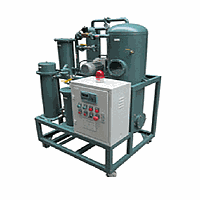
Oil Purifier
Clean oil is critical to the reliability of transformers, hydraulic systems, turbines, and many other industrial assets. When moisture, gas, and solid particles remain in the fluid, they can shorten equipment life, reduce dielectric strength, and affect overall process stability. This is why selecting the right Oil Purifier matters not only for maintenance teams, but also for operators responsible for uptime and asset protection.
On this page, you can explore oil purification equipment used for filtration, drying, degassing, and oil conditioning in industrial environments. The range is relevant for applications where oil quality directly influences insulation performance, lubrication efficiency, and long-term operating safety.
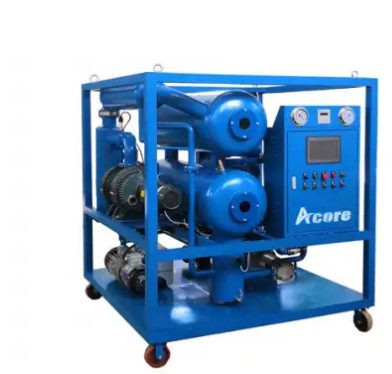
Where oil purification equipment is typically used
Oil purification systems are commonly applied in power utilities, transformer service, heavy industry, and maintenance workshops. In these environments, insulating or lubricating oil can gradually absorb water, trap fine contamination, or retain dissolved gases during operation and storage. A dedicated purification process helps restore the oil to a cleaner and more stable condition before reuse or continued service.
For transformer maintenance in particular, purification often combines several treatment steps in one workflow: heating, vacuum treatment, filtration, and circulation. In broader fluid management tasks, buyers may also compare purification equipment with related solutions such as oil drying systems when moisture control is the primary concern.
What to look for when choosing an oil purifier
The most practical starting point is the required processing capacity. Smaller service jobs may only need a few hundred liters per hour, while larger transformer maintenance programs or industrial oil handling tasks can require several thousand liters per hour. Capacity should be evaluated together with the desired treatment method, not in isolation.
Buyers also usually assess whether the application needs only particle removal or a more complete process including degassing, dehydration, and heating. Vacuum degree, working pressure, operating temperature range, and filtration fineness all influence how effectively the unit can improve oil condition. In many projects, portability, electrical supply, and noise level are also relevant for field deployment.
Another important point is the target result after treatment. Some operations focus on reducing water content, while others prioritize particle cleanliness or dielectric performance. If oil quality verification is part of your workflow, it can be useful to review related testing resources such as fuels testing equipment for broader laboratory and inspection needs.
Typical equipment profiles in this category
This category includes units designed for different operating scales. Compact systems can support routine maintenance, oil transfer with filtration, or smaller transformer service tasks. Larger systems are intended for higher throughput, continuous circulation, or demanding field work where a stronger vacuum process and higher heating power are needed.
For example, the MultiTech range covers a broad capacity span, from the MT-YA10 at 600 L/h up to the MT-YA200 at 12000 L/h. That makes it easier to match equipment size to the volume of oil being processed, whether the requirement is a relatively small maintenance unit or a higher-capacity machine for utility and industrial service teams.
In the MultiTech lineup, models such as MT-YA20, MT-YA50, MT-YA100, MT-YA150, and MT-YA200 illustrate how capacity, heating power, and connection size can scale with application demand. Rather than treating all oil purifiers as interchangeable, it is better to choose according to real throughput, site conditions, and maintenance frequency.
Examples of transformer oil purification solutions
Transformer oil service is one of the most common use cases in this category. In this area, GlobeCore and MultiTech are two manufacturers frequently considered for purification and filtration tasks. Their equipment is typically selected where maintaining insulating oil quality is essential for transformer performance and maintenance planning.
GlobeCore offers dedicated solutions such as the CMM-600CF transformer oil filtration and refilling machine and the CMM-4 mobile unit for powered transformer oil processing. These examples show how some systems are configured not only for filtration, but also for mobile service, degassing, drying, and on-site oil handling. Buyers looking for a broader view of the brand can also explore GlobeCore products across industrial oil treatment applications.
For users comparing flow rate ranges, the MultiTech MT-YA50 and MT-YA100 can be relevant in mid-range service scenarios, while the MT-YA150 and MT-YA200 are better aligned with larger processing volumes. The right choice depends on the volume of oil to be treated, the expected turnaround time, and whether the work is workshop-based or performed at site.
Oil purification beyond transformer maintenance
Although transformer oil treatment is a major part of this category, oil purification technology is also used in other industrial processes. Certain systems are intended for broader fluid conditioning or industrial oil cleaning tasks, where the objective is to reduce contamination and improve oil usability in production or maintenance workflows.
One example is the GlobeCore CMM-5M industrial oil purification machine, which represents a more general-purpose purification approach. At the same time, some products listed by manufacturers may serve adjacent process industries rather than standard insulating oil maintenance. Reviewing the intended application carefully helps avoid choosing a unit optimized for a different fluid, temperature range, or process environment.
How to match a machine to your operating conditions
A good specification review should begin with the type of oil, expected contamination level, and required treatment outcome. If the oil mainly contains suspended particles, filtration performance may be the key factor. If the oil has absorbed moisture or gas, a vacuum-based process with controlled heating becomes more important.
It is also worth checking installation and operating constraints such as inlet and outlet diameter, available power supply, mobility requirements, and allowable working pressure. In plants where compressed air quality and ambient conditions affect the overall maintenance process, related support categories such as air drying equipment may also be relevant.
For procurement teams, the most effective comparison is usually based on lifecycle suitability rather than just headline capacity. A machine that is correctly sized for your service interval, oil volume, and site logistics is more likely to deliver consistent operational value over time.
Why oil quality management should be considered as a system
Purification is only one part of effective oil management. In many technical environments, the workflow also includes sampling, condition assessment, handling, storage, and post-treatment verification. When these steps are considered together, it becomes easier to maintain stable oil quality and reduce unplanned intervention.
This is especially important in B2B purchasing, where engineers often need equipment that fits into an existing maintenance program instead of solving a single isolated task. A well-chosen purifier supports cleaner oil circulation, more predictable servicing, and better protection of high-value electrical and mechanical assets.
Final considerations before buying
The best approach is to define your required throughput, treatment method, and operating environment before comparing models. For some users, a compact unit with moderate flow rate is sufficient. For others, a higher-capacity system with stronger vacuum performance and mobile field capability will be more appropriate.
This Oil Purifier category is intended to help industrial buyers compare suitable equipment for oil filtration and conditioning across transformer and general industrial applications. If you are selecting a unit for maintenance, refurbishment, or ongoing fluid management, focus on the practical match between oil condition, required output quality, and the way the equipment will be used in the field.
Get exclusive volume discounts, bulk pricing updates, and new product alerts delivered directly to your inbox.
By subscribing, you agree to our Terms of Service and Privacy Policy.
Direct access to our certified experts