
Veterinary Equipment
Accurate reproductive monitoring and early health screening can make a measurable difference in breeding efficiency, herd management, and day-to-day veterinary decisions. On this page, you can explore Veterinary Equipment focused on practical diagnostic use in farms, breeding programs, and animal care environments where speed, repeatability, and ease of handling matter.
The range highlighted here centers on portable devices for pregnancy detection, estrous and ovulation monitoring, and mastitis screening. These tools are especially relevant when visual observation alone is not enough, or when users need a more consistent method to support treatment, mating, insemination, and production planning.
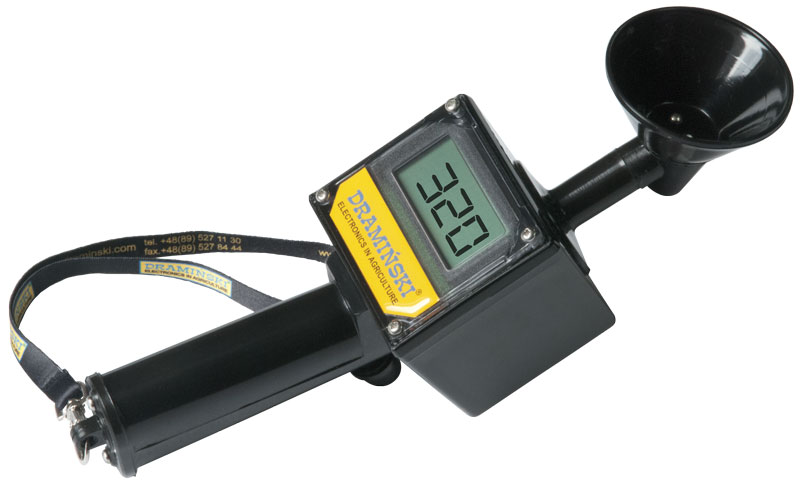
Where veterinary diagnostic devices are used
In breeding and livestock operations, timing is critical. Missing the right window for mating, failing to identify pregnancy early, or detecting udder health issues too late can affect labor planning, animal welfare, and overall farm performance. That is why many users look for portable veterinary diagnostic devices that can be used directly on site rather than relying only on visual checks.
This category is especially suitable for applications involving dogs, pigs, sheep, goats, cows, horses, and mares, depending on the instrument selected. It sits naturally within broader medical measuring equipment workflows where fast screening and field-friendly operation are important.
Pregnancy detection for faster breeding decisions
Pregnancy detectors are designed to help confirm or exclude pregnancy at an early stage, allowing breeders and veterinarians to separate pregnant animals from non-pregnant ones and organize groups more effectively. In practice, this supports feed management, housing allocation, repeat breeding decisions, and better planning of follow-up checks.
Examples in this category include the DRAMINSKI PDD Pregnancy Detector for dogs, the DRAMINSKI PDS Pregnancy Detector For Sheep And Goats, and the DRAMINSKI PDP Pregnancy Detector for pigs. These products use ultrasound-based detection principles to identify fluid associated with pregnancy, making them useful where quick field confirmation is needed without a large imaging setup.
For buyers comparing options, the key difference is usually the intended animal species and probe format rather than a one-size-fits-all design. The right choice depends on the breeding program, examination routine, and how early the user intends to screen after mating or insemination.
Estrous and ovulation monitoring for reproductive control
When the challenge is not pregnancy confirmation but identifying the best mating or insemination time, estrous detection becomes the more relevant function. These devices help users track physiological changes that may be difficult to assess reliably from behavior alone, especially in silent heat or irregular cycles.
Representative products include the DRAMINSKI EDP Estrous Detector For Pigs, the DRAMINSKI EDS Estrous Detector For Sheep And Goats, and the DRAMINSKI EDC Estrous Detector for cows and mares. For canine breeding, the DRAMINSKI DOD Dog Ovulation Detector and DRAMINSKI DOD2 Dog Ovulation Detector are aimed at determining the optimum mating window with a more structured measurement process.
From a workflow perspective, these instruments are valuable when users need to improve insemination timing, reduce repeated mating attempts, or monitor animals with atypical cycles. Many portable detectors in this group are also designed for repeated use over consecutive days, which is often necessary to identify a clear trend rather than relying on a single reading.
Mastitis screening for herd health monitoring
Reproductive management is only one part of veterinary field diagnostics. In dairy operations, mastitis detection is equally important because sub-clinical cases may not show visible signs early on, even though milk quality and udder health are already affected.
The DRAMINSKI MD4Q Mastitis Detector and DRAMINSKI MD1Q Mastitis Detector are examples of portable instruments intended to support early screening. Their role is to help assess changes related to udder condition so that users can identify potential issues earlier, compare quarters when applicable, and make faster decisions about monitoring or treatment follow-up.
For many farms, this type of device is not a replacement for veterinary diagnosis but a practical frontline tool. It helps standardize routine checks, reduce delays in response, and support more consistent herd health records over time.
Why portable veterinary equipment is useful in the field
One of the main advantages of this category is mobility. Many of the featured instruments are compact, battery-powered, and intended for direct use in breeding facilities, barns, or examination areas without requiring a full clinic-based setup. That makes them suitable for users who need fast deployment and simple operation in real farm conditions.
Another benefit is repeatability. Devices used for estrous, ovulation, mastitis, or pregnancy screening are most effective when they support routine measurement over time. Features such as onboard displays, internal memory on selected models, and straightforward probe-based operation can improve consistency between checks and make it easier to compare results across animals or dates.
Users who also manage broader health screening workflows may want to review related tools such as a medical thermometer for basic temperature checks or a blood pressure monitor category for adjacent measurement needs in clinical settings.
How to choose the right device
The first selection criterion is the intended purpose: pregnancy confirmation, estrous timing, ovulation monitoring, or mastitis screening. Although these devices all belong to the same veterinary measurement ecosystem, they solve different problems and should be matched to the exact stage of the care or breeding process.
The second criterion is species compatibility. This category includes instruments intended for dogs, pigs, sheep, goats, cows, horses, and mares, and the probe design or measurement method can vary accordingly. Choosing by animal type is essential because usability and interpretation depend heavily on the application.
The third criterion is workflow preference. Some users prioritize compact handheld simplicity, while others may benefit from models with memory, USB data transfer, or longer operating time for repeated field measurements. If brand consistency matters in procurement, you can also browse the wider DRAMINSKI range for related veterinary solutions.
A practical category for breeders, farms, and veterinary professionals
This selection is particularly relevant for users who need dependable routine screening rather than overly complex systems. Breeders may focus on ovulation and pregnancy timing, livestock farms may prioritize estrous efficiency and mastitis prevention, and veterinary professionals may use these tools to support rapid field assessment before recommending further examination.
Because the category brings together several diagnostic functions in one place, it is easier to compare how each device fits a specific operational need. Instead of treating veterinary equipment as a generic label, it is more useful to view it as a set of targeted instruments that support breeding control, animal health monitoring, and more informed intervention timing.
Conclusion
Choosing veterinary measurement equipment is ultimately about matching the device to the decision you need to make in the field. Whether the goal is early pregnancy detection, more accurate estrous timing, ovulation monitoring in dogs, or mastitis screening in dairy animals, the most effective tool is the one aligned with your species, workflow, and routine monitoring plan.
Explore the products in this category to compare practical options for breeding management and animal health screening. A well-selected instrument can help make everyday veterinary and farm decisions more structured, timely, and easier to repeat with confidence.
Get exclusive volume discounts, bulk pricing updates, and new product alerts delivered directly to your inbox.
By subscribing, you agree to our Terms of Service and Privacy Policy.
Direct access to our certified experts