Temperature Tester for soldering
Stable soldering results depend on more than the station setting shown on the front panel. In electronics assembly, rework, and maintenance, actual tip temperature and process heat profile need to be checked against real operating conditions to avoid cold joints, overheating, flux damage, or inconsistent quality. This is where Temperature Tester for soldering equipment becomes important for both production lines and repair benches.
On this page, you can explore instruments used to verify soldering tip temperature, monitor thermal behavior, and support process control in SMT and hand-soldering environments. These tools are especially relevant when traceability, calibration discipline, and repeatable soldering quality are part of the workflow.

Why temperature verification matters in soldering work
A soldering station may be set to a target value, but the actual heat delivered at the tip can vary due to tip shape, thermal load, aging components, oxidation, or the way the tool is used. In practical work, that difference can affect wetting performance, component safety, and overall joint reliability.
Using a soldering temperature tester helps technicians and production teams check whether the tool is operating within the intended range. It is also useful when comparing multiple stations, validating maintenance work, or setting up controlled processes for sensitive assemblies.
Typical devices included in this category
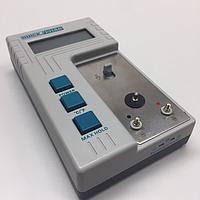
This category covers several types of measuring tools rather than one single instrument format. Handheld and bench testers are commonly used to verify tip temperature directly, while some solutions also support voltage or resistance checks related to soldering tool condition and performance assessment.
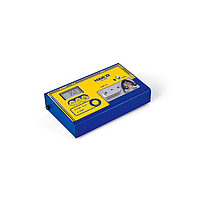
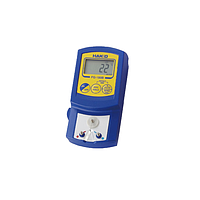
For example, the HAKKO FG-100B and HAKKO FG-101B series are widely recognized for tip temperature measurement in daily inspection tasks. For broader process analysis, solutions such as the Malcom RCX-S Reflow Checker Memory Unit are designed for thermal monitoring in reflow-related applications, while the Malcom SP-2 Solder-Paste Wetting Tester supports evaluation of solder paste behavior under test conditions.
Common use cases in assembly, repair, and SMT production
In manual soldering, temperature testers are often used during shift startup, preventive maintenance, or after replacing heaters and tips. This helps confirm that the station is heating correctly before work begins, especially when operators handle temperature-sensitive components or lead-free solder with tighter process windows.
In repair and rework environments, temperature verification becomes equally valuable. Teams working with soldering stations or desoldering stations often need to confirm that the selected tool is delivering enough heat for efficient work without causing unnecessary thermal stress.
For SMT production, thermal checking may go beyond the hand tool itself. Reflow profiling, solder pot temperature confirmation, and solder paste evaluation are all part of a broader process-control approach, particularly when quality documentation and repeatability are required.
Examples of measurement tools and accessories
Several representative products help illustrate the scope of this category. The HAKKO FG-101B Soldering Iron Tester measures temperature and also supports additional electrical checks, making it suitable for users who want one instrument for routine station verification. The HAKKO FG-102 ℃ Type Thermometer is another option for workplaces that need structured temperature management around soldering operations.
Accessories also matter because measurement accuracy depends on the sensing method and the application. Items such as the HAKKO A1557 Sensor B and HAKKO A1310 Temperature Probe play a supporting role in the measurement setup, allowing users to adapt the tester to specific soldering or solder pot tasks rather than treating all heat sources the same way.
Where calibration and controlled measurement are part of the workflow, products from WELLER such as the Weller WCB 2 Temperature Measuring and Calibration unit show how temperature checking can be integrated with adjustment and validation procedures. For users looking at broader process analysis, Malcom solutions extend the discussion from hand tools to thermal behavior and solder material evaluation.
How to choose the right temperature tester
The first consideration is the actual task. If the priority is daily verification of a hand soldering iron, a compact tester focused on direct tip temperature measurement may be enough. If your process requires additional checks, data handling, multiple measuring points, or traceable verification steps, a more advanced platform may be more appropriate.
It also helps to review the measurement range, sensor compatibility, resolution, and intended working environment. Some applications only need quick pass/fail confirmation, while others need repeatable measurement for quality records or engineering analysis. Accessory availability is equally important, since probes and sensors influence how accurately heat is captured from the real process.
Finally, consider the surrounding tool ecosystem. If your team also works with hot air rework systems or more specialized SMT processes such as BGA rework, temperature verification should fit into a wider process-control strategy rather than being treated as an isolated measurement task.
Key selection points for B2B buyers
- Application fit: hand soldering, solder pot checking, reflow monitoring, or solder paste evaluation
- Measurement method: direct tip contact, probe-based checking, or multi-point thermal logging
- Process discipline: simple maintenance verification versus calibration-oriented quality control
- Accessory support: availability of compatible sensors and probes for the intended task
- Data handling: whether the workflow benefits from stored readings, digital output, or recordkeeping
Supporting more consistent soldering quality
Temperature testers are not just inspection tools; they help reduce variation across operators, stations, and batches. When a team can verify actual heating behavior instead of relying only on nominal settings, troubleshooting becomes faster and process setup becomes more repeatable.
That makes this category useful for EMS providers, electronics manufacturers, maintenance departments, laboratories, and technical training environments. Whether the need is a straightforward soldering tip checker or a more process-focused thermal measurement solution, selecting the right instrument helps build a more controlled and reliable soldering workflow.
If you are comparing equipment for bench repair, production control, or SMT process verification, this category provides a practical starting point for matching measurement tools, probes, and calibration-oriented devices to your soldering application.
Get exclusive volume discounts, bulk pricing updates, and new product alerts delivered directly to your inbox.
By subscribing, you agree to our Terms of Service and Privacy Policy.
Direct access to our certified experts