Electric-Electronic Testing & Monitoring Solution
Modern electrical and electronic systems are expected to run continuously, stay traceable, and meet tighter quality requirements across production, maintenance, and field service. That is why a well-planned electric-electronic testing and monitoring solution is no longer limited to a single instrument. It usually combines measurement, inspection, data capture, and condition monitoring tools that support both daily operations and long-term reliability.
On this category page, you can explore solution-oriented equipment used in industrial environments where electrical performance, signal integrity, equipment health, and test efficiency all matter. The scope covers practical needs such as pre-compliance verification, operational monitoring, and rugged data acquisition at the point of work.
Where these solutions fit in real industrial workflows
Electrical and electronic testing is relevant in many stages of the asset lifecycle. During development and validation, teams need tools that help check performance, identify abnormal behavior, and reduce the risk of downstream failures. In production and maintenance, the focus often shifts toward repeatable inspection, operator efficiency, and early detection of issues before they affect uptime.
Because of that, this category is useful for manufacturers, panel builders, service companies, utilities, laboratories, and system integrators. Some applications are closely connected to broader platforms such as electro-mechanical monitoring and testing, especially when electrical measurements must be interpreted alongside mechanical condition or machine behavior.
Typical solution areas within electric-electronic testing and monitoring
A complete setup may include instruments for signal observation, verification, scanning, monitoring, and pre-compliance work. The exact combination depends on whether the goal is troubleshooting, product qualification, incoming inspection, or continuous equipment supervision. In many B2B environments, the real value comes from linking test data to maintenance decisions, production records, or quality documentation.
For example, some users need a monitoring solution that runs during operation and helps identify changes in asset condition over time. Others need portable devices that improve traceability and workflow execution on the factory floor. There are also teams that need bench or lab-oriented systems to evaluate electromagnetic behavior before formal certification testing.
Representative products in this category
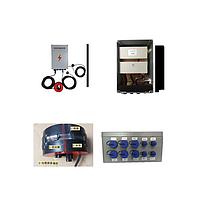
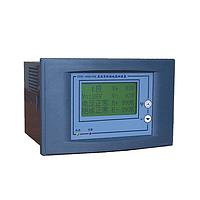
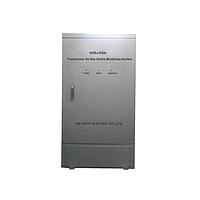
Several products in this category illustrate how broad electric-electronic testing and monitoring can be. The GlobeCore TOR-5 Online Transformer Monitoring System is an example of condition-focused equipment used in power-related applications, where continuous oversight helps operators respond to insulation or oil-related concerns before they escalate. This kind of system is especially relevant when electrical infrastructure must remain stable over long operating periods.
For workflow and identification tasks in demanding industrial environments, the Honeywell Granit 1991iXR scanner shows a different side of the category. Rather than measuring electrical parameters directly, it supports data capture, traceability, and process control in maintenance, warehousing, and manufacturing operations where ruggedness and reliable barcode reading are important. You can also explore the wider Honeywell portfolio for related industrial technologies.
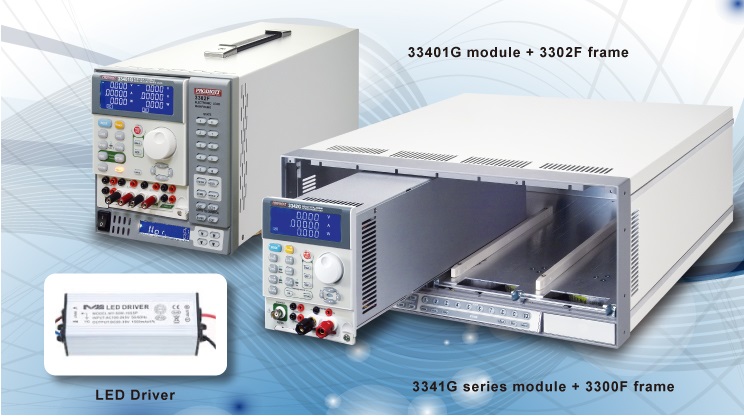
Another practical example is the EMC and EMI Pretest/Pre-compliance Solution from GW INSTEK. This type of setup is useful for engineering teams that want to identify electromagnetic issues early, improve design confidence, and reduce the risk of failure during formal compliance stages. In electronics development, pre-compliance work often saves both time and rework costs.
How to choose the right solution for your application
The first step is to define what you actually need to verify or monitor. Some projects focus on equipment condition, while others prioritize product testing, fault isolation, or production traceability. When the objective is clear, it becomes easier to decide whether you need portable tools, fixed monitoring equipment, pre-compliance instrumentation, or a combination of these elements.
It is also important to think about the operating environment. Industrial users may need equipment that can handle temperature variation, vibration, dust, or heavy-duty daily use. In other cases, communication interfaces, reporting requirements, and integration with existing workflows are just as important as measurement capability. A good category-level selection process balances technical fit, ease of deployment, and long-term maintainability.
Why monitoring matters alongside testing
Testing provides a snapshot, but continuous monitoring can reveal trends that are not visible in a single measurement session. This is especially relevant in electrical systems where gradual changes may indicate insulation degradation, instability, abnormal loading, or emerging faults. Monitoring tools help maintenance teams move from reactive intervention toward more informed planning.
In many facilities, the strongest results come from combining both approaches. A monitoring system can flag a deviation, while targeted test equipment helps confirm the cause. That broader strategy often aligns well with adjacent areas such as environment testing and monitoring, where temperature, humidity, or site conditions may influence electronic performance and reliability.
Considerations for engineers, buyers, and integrators
Technical B2B purchasing is rarely based on one specification alone. Engineers usually look at measurement purpose, deployment method, interface compatibility, and expected duty cycle. Buyers may also consider standardization across sites, serviceability, and whether the equipment fits existing operating procedures.
For integrators and project teams, solution readiness matters as much as the instrument itself. The selected equipment should support the intended workflow, from data acquisition and review to maintenance action or quality reporting. That is why category pages like this are most useful when treated as part of a larger ecosystem of inspection, measurement, and monitoring tools rather than as isolated products.
Building a more practical testing and monitoring setup
An effective electric-electronic testing strategy usually grows in stages. A company may begin with core inspection or troubleshooting tools, then add monitoring systems for critical assets, and later expand into pre-compliance or traceability solutions as processes mature. This phased approach helps align investment with operational risk and actual testing needs.
If your application spans multiple disciplines, it may also be useful to review the broader electric-electronic testing and monitoring solution range in relation to neighboring solution groups. The right combination can improve visibility, reduce unplanned downtime, and support more consistent decision-making across engineering and operations.
Choosing the right equipment in this category starts with understanding whether your priority is verification, continuous observation, traceability, or early problem detection. With options that range from rugged industrial scanners to transformer monitoring systems and EMC/EMI pre-compliance tools, this category supports practical solution building for real industrial environments. A well-matched setup helps teams test more efficiently, monitor more intelligently, and manage electrical and electronic systems with better confidence.
Get exclusive volume discounts, bulk pricing updates, and new product alerts delivered directly to your inbox.
By subscribing, you agree to our Terms of Service and Privacy Policy.
Direct access to our certified experts