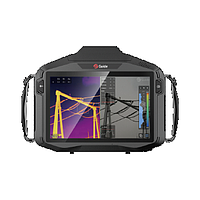
PD gas detector, partial discharge acoustic imaging
In substations, switchgear rooms, utility assets, and industrial power systems, early detection of abnormal discharge and gas-related leakage can make routine maintenance more targeted and less disruptive. PD gas detector, partial discharge acoustic imaging solutions are used to visualize ultrasonic emissions, helping maintenance teams locate developing faults that may be difficult to identify with conventional inspection alone.
These instruments combine an acoustic sensor array with a built-in visual camera, allowing users to overlay sound sources onto the visible scene. This makes them practical for applications such as partial discharge screening, pressurized gas leak detection, and, on some models, mechanical anomaly checks across energized or hard-to-access assets.
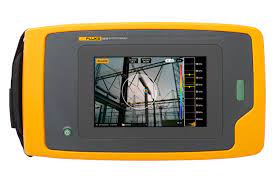
Why acoustic imaging is relevant for partial discharge inspection
Partial discharge is often associated with insulation degradation, surface tracking, corona activity, or internal defects in electrical equipment. Because these phenomena can generate ultrasonic energy, acoustic imaging cameras help inspectors detect and localize suspicious sources without direct contact with the asset.
Instead of relying only on point-by-point listening, an acoustic imager gives a spatial view of the sound source. This can speed up surveys in panels, transformers, switchgear, cable terminations, and overhead installations, especially when the goal is to screen a large number of assets and prioritize detailed follow-up testing.
What to expect from this product category
This category focuses on portable acoustic imaging instruments designed for industrial inspection. Depending on the model, they may support partial discharge detection, compressed air or gas leak detection, and condition monitoring tasks that benefit from ultrasonic localization.
Examples in this range include the FLIR Si2-PD for partial discharge work, the FLIR Si2-Pro for broader industrial acoustic inspection, and the FLIR Si2x-Pro or Si2x-LD for hazardous-location use cases where the environment demands suitable protection. For teams comparing different inspection platforms, models from FLUKE and MEGGER also illustrate how acoustic imagers are applied across electrical maintenance and leak detection workflows.
Unlike conventional models, the LEAKCAM 600 features an extremely sensitive digital earwax detector (typically 124), which helps create a higher-resolution acoustic map. This is crucial when needing to differentiate between small air leaks and background noise in a factory production environment.
Typical applications in electrical and industrial environments
For electrical maintenance teams, the most common use case is finding abnormal ultrasonic activity linked to discharge events before failure becomes more serious. Acoustic imaging is particularly useful when assets must remain energized, or when faults are intermittent and difficult to reproduce with a basic handheld detector.
In industrial utilities, the same platform may also help locate compressed air or process gas leakage. Some cameras in this category support multiple gases and broader inspection modes, which can be useful for plants that want one device for both reliability and energy-loss reduction. Where inspection programs also include infrared surveys, it is often practical to review related options in thermal imaging camera ranges as part of a complementary maintenance toolkit.
Key selection factors before choosing a model
The right instrument depends on the inspection scenario more than on a single headline specification. Frequency coverage, sensitivity, operating distance, display quality, onboard analysis, storage, and data transfer all influence how effective the camera will be in daily field use.
For example, the FLIR Si2-PD and FLIR Si2-Pro are built around a high-density microphone array and a broad ultrasonic bandwidth, which supports detailed localization for discharge and industrial fault finding. The FLIR Si1-LD is more focused on compressed air leak detection, while the FLIR Si2x-LD expands into hazardous-location applications and supports a wider set of gases. FLUKE models such as the FLK-II910 and FLK-II915, as well as the MEGGER MPAC128, are also relevant when users need acoustic imaging for leak quantification, visual sound mapping, or large-area ultrasonic inspection.
Hazardous area and safety considerations
Not every inspection environment has the same risk profile. In petrochemical, gas processing, or other controlled industrial areas, equipment suitability matters as much as imaging performance. This is why hazardous-location variants deserve separate consideration if acoustic inspections will take place where ignition risk and compliance requirements are part of the job.
Within the products listed here, models such as the FLIR Si2x-LD and FLIR Si2x-Pro are designed for those more demanding environments. In standard industrial electrical rooms, a non-hazardous-location camera may be entirely appropriate, but users should still match the device to site rules, ingress protection needs, and normal operating temperature conditions.
How these tools fit into a maintenance workflow
Acoustic imaging is most effective when used as part of a broader condition-based maintenance strategy. A common approach is to perform routine screening with an imager, mark suspicious assets, then escalate to closer diagnostics or corrective maintenance only where evidence justifies it. This helps reduce unnecessary downtime and improves inspection consistency across large facilities.
Teams that document findings over time also benefit from onboard image capture, video recording, and wireless or USB data export. Trend comparison is useful when the goal is not only to find a current problem but also to understand whether an issue is stable, worsening, or recurring after intervention. In mixed measurement programs, support equipment and consumables from related categories such as temperature accessories can also be relevant for field work and instrument handling.
Representative products and brand options
FLIR is strongly represented in this category, with models aimed at different inspection priorities. The Si2-PD is geared toward partial discharge detection, the Si2-Pro broadens coverage to leak and mechanical fault applications, and the Si1-LD is positioned around compressed air leak detection. Hazardous-location variants extend the same general inspection concept into more demanding plant conditions.
FLUKE contributes with the FLK-II910 Precision Acoustic Imager and FLK-II915 Industrial Acoustic Imager, both relevant for ultrasonic visualization in industrial reliability programs. MEGGER’s MPAC128 is another notable option for acoustic imaging in inspection workflows where users need portable sound mapping and practical field usability. Brand choice often comes down to application focus, inspection environment, reporting preferences, and the level of analysis needed on the device itself.
Choosing the right category for your inspection need
If your main goal is electrical asset assessment, focus on models intended for discharge-related inspection and localization. If the priority is energy loss reduction in utilities or process lines, leak-focused acoustic imagers may be a better match. Where one team handles several tasks, a multi-purpose platform can reduce training and equipment duplication.
This category brings together acoustic imaging solutions for users who need faster fault localization, clearer visual evidence, and more efficient field inspection. Reviewing the intended application, site classification, and required analysis features will usually lead to a much better purchase decision than comparing product names alone.
Get exclusive volume discounts, bulk pricing updates, and new product alerts delivered directly to your inbox.
By subscribing, you agree to our Terms of Service and Privacy Policy.
Direct access to our certified experts