
Handheld thermal imaging camera
When temperature problems need to be found quickly without stopping production, a portable thermal camera is often the most practical tool. A handheld thermal imaging camera helps maintenance teams, electricians, inspectors, and facility engineers visualize heat patterns, compare components, and identify abnormal conditions before they turn into failures.
On this page, you can explore handheld models used for electrical inspection, HVAC diagnostics, mechanical maintenance, building checks, and general industrial troubleshooting. The category includes compact screening tools as well as higher-resolution instruments for users who need better image detail, broader measurement range, and easier reporting.
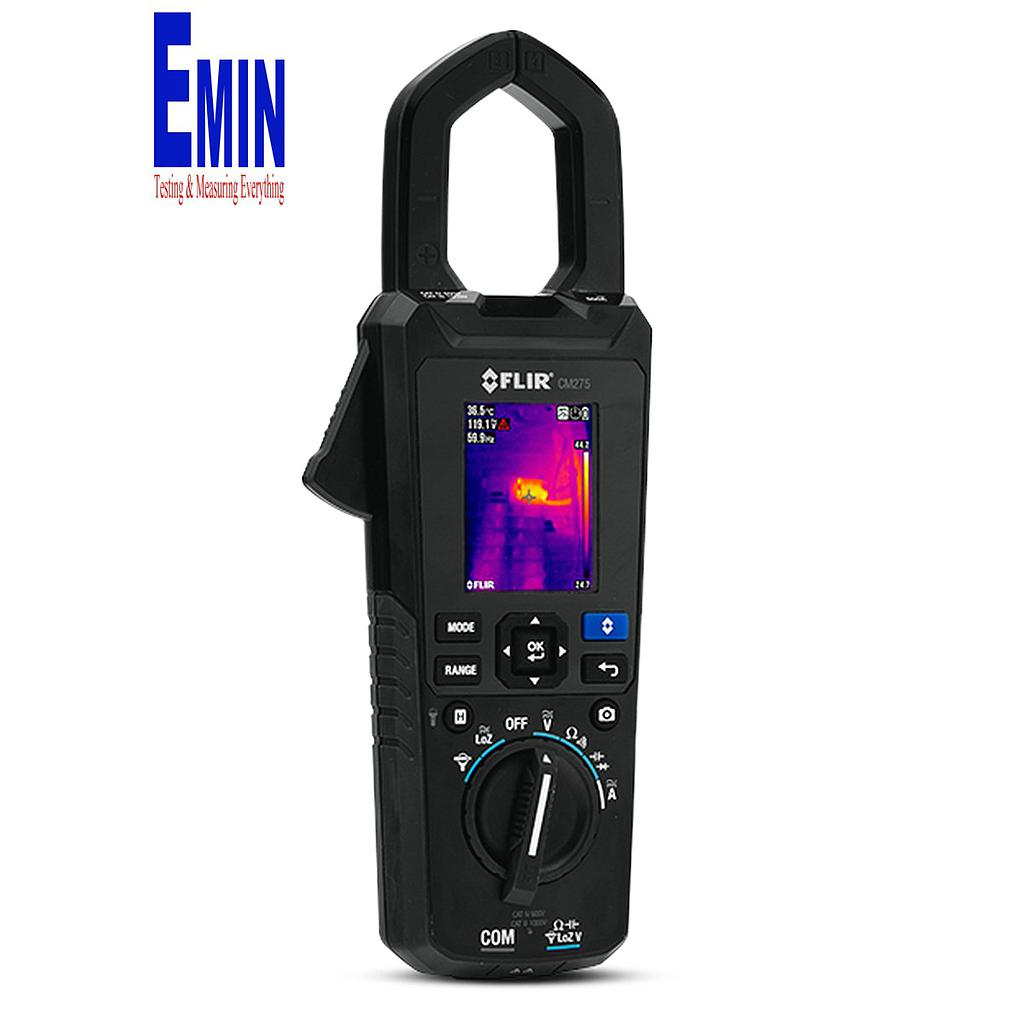
Why handheld thermal cameras are widely used in the field
The main advantage of a handheld unit is mobility. It allows technicians to scan panels, motors, bearings, piping, insulation, or process equipment from different angles without installing permanent hardware. That makes this format especially useful for preventive maintenance routes, service calls, and inspections across multiple assets.
Compared with permanently mounted systems, handheld devices are better suited to spot checks and flexible troubleshooting. For continuous monitoring of a fixed area or process, a fixed thermal imaging camera may be the more appropriate choice, while portable units remain ideal for day-to-day field diagnosis.
Typical applications across industrial and building environments
Handheld thermal imagers are commonly used to detect overheating connections, overloaded breakers, unbalanced phases, worn bearings, friction points, blocked airflow, and insulation issues. In building services, they can help reveal heat loss, moisture-related temperature differences, and HVAC performance problems that are not obvious in visible light.
They are also useful for first-line condition assessment. A technician can quickly compare similar components under the same load, locate hot spots, and decide whether a more detailed inspection is needed. This helps reduce unnecessary disassembly and improves maintenance planning.
What to compare when selecting a handheld thermal imaging camera
The right choice depends on inspection distance, target size, temperature range, and the level of reporting required. IR resolution is one of the first parameters to review because it affects how much detail you can see in the thermal image. Entry-level devices may be enough for basic scanning, while higher-resolution models are better for identifying smaller anomalies or inspecting from farther away.
Thermal sensitivity also matters when you need to distinguish subtle temperature differences. In practical terms, lower NETD values help the camera show finer contrast between areas that appear close in temperature. Field of view, focus method, display size, image blending functions, and battery runtime can also make a noticeable difference during daily use.
For users who need to work with interchangeable optics, chargers, or related components, it is worth reviewing available thermal camera accessories as part of the overall workflow rather than treating the imager as a standalone purchase.
Examples of devices in this category
Several products in this category illustrate the range of use cases. The FLIR TG268 is a compact spot IR thermal imaging camera designed for quick temperature checks and visual confirmation of hot or cold areas. Its format is suitable for users who want a straightforward tool for routine troubleshooting and maintenance screening.
For broader diagnostic work, models such as the FLIR E5 Pro and FLIR E6 Pro provide handheld thermal imaging with features such as touchscreen operation, multiple image modes, and radiometric image capture. These are more aligned with users who need clearer documentation, better image detail, and easier review after inspection.
On the FLUKE side, instruments such as the FLK-TiS55+, FLK-TiS60+, and FLK-TIS75+ support industrial inspection tasks where image quality, ruggedness, and reporting workflow are important. More compact options like the FLUKE-VT06/APC and FLUKE-VT08/APC fit situations where fast visual screening is more important than advanced analysis depth.
Choosing between basic screening and deeper analysis
Not every inspection requires the same level of capability. A basic handheld camera can be enough for fast checks on electrical cabinets, HVAC outlets, or surface temperatures where the goal is to flag obvious anomalies. In these cases, ease of use, startup speed, and portability may be more important than advanced image analysis.
For predictive maintenance programs or formal reporting, users often need stronger documentation features, better image fusion, more measurement tools, and improved connectivity. That is where cameras with higher resolution, app or cloud integration, and richer analysis functions become more valuable. In some workflows, a mobile thermal camera can also be considered when portability and smartphone-based operation are priorities.
Brands commonly selected for handheld thermal inspection
This category includes well-known names used across maintenance, test, and inspection environments. FLIR is frequently chosen for its broad range of handheld thermal imagers, from compact troubleshooting tools to more capable inspection cameras. FLIR models in this category illustrate both entry-level and intermediate options for building diagnostics and industrial maintenance.
FLUKE is another common choice for industrial users who need portable thermal imaging equipment for field service and electrical or mechanical inspections. The broader manufacturer list for this category also includes brands such as BOSCH, Chauvin Arnoux, OMEGA, TESTO, SEEK, Triplett, Trotec, and GEO-Fennel, giving buyers different options depending on budget, workflow, and required feature set.
How handheld cameras fit into a broader thermal imaging workflow
A handheld unit is often the starting point for thermal inspection. It helps teams verify whether a suspected issue is real, prioritize corrective actions, and capture evidence for maintenance records. Because it is portable and fast to deploy, it works well for route-based inspections and reactive troubleshooting alike.
As requirements become more specialized, users may expand into other formats. Benchtop systems are useful in lab or controlled testing environments, while fixed-mounted solutions are better for unattended monitoring of stable processes. The handheld format remains the most versatile option for general field use, especially when inspection points are spread across a site.
Finding the right handheld thermal imaging camera for your task
The best fit usually comes down to how and where the camera will be used: quick screening, routine maintenance, detailed diagnostics, or documented inspection work. Looking at image resolution, sensitivity, temperature range, focus behavior, connectivity, and accessory support will help narrow the shortlist more effectively than comparing model names alone.
If you are selecting a handheld thermal imaging camera for industrial maintenance, facility inspection, or service applications, this category provides a practical starting point across compact, mid-range, and more feature-rich options. A clear understanding of inspection distance, target size, and reporting needs will make it much easier to choose a model that supports real work in the field.
Get exclusive volume discounts, bulk pricing updates, and new product alerts delivered directly to your inbox.
By subscribing, you agree to our Terms of Service and Privacy Policy.
Direct access to our certified experts