Electrical Wire Stripper/Crimper
Clean cable preparation makes a visible difference in electrical assembly, panel work, maintenance, and field installation. A well-matched Electrical Wire Stripper/Crimper helps remove insulation accurately, reduce conductor damage, and support more consistent terminations than using a knife or general-purpose pliers.
On this category page, you can explore tools designed for different wire sizes, cable types, and working habits. From simple hand-operated strippers to models intended for flexible cable, round cable, UTP/STP cable, or fiber applications, the range is suited to technicians, electricians, and maintenance teams who need reliable everyday handling.
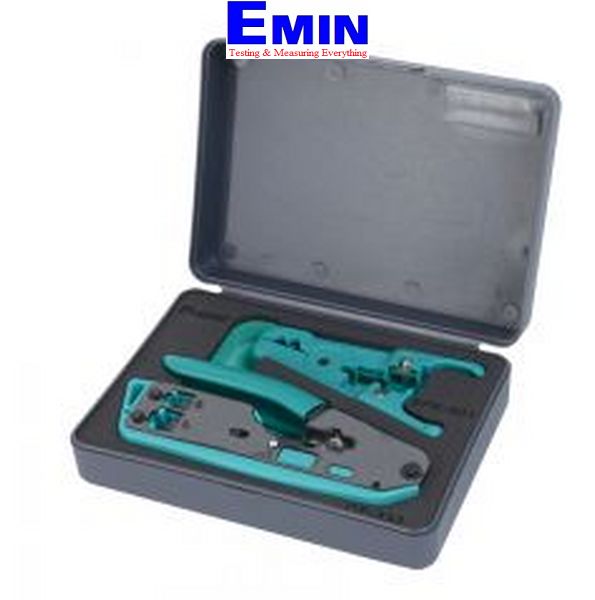
Why this tool matters in electrical work
Stripping insulation is a small step, but it directly affects connection quality. If too much force is applied or the conductor is nicked, the wire can weaken and create problems later during crimping, termination, or repeated movement in service. That is why dedicated stripping tools are widely used in electrical assembly and repair tasks.
Many models in this category also support related operations such as cutting, looping, or basic crimp preparation. For workshops that already use other hand tools such as socket wrench sets for mechanical fastening, adding the correct stripping tool helps complete the electrical side of the job with the same level of control and repeatability.
Common types found in this category
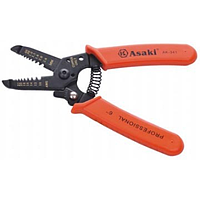
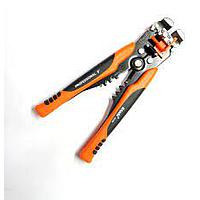
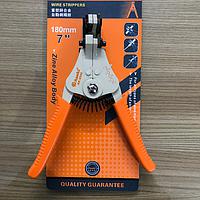
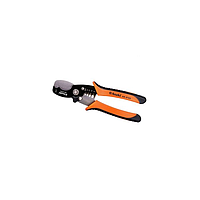
This category covers more than one tool style. Standard hand strippers are often selected for routine wiring jobs, especially when operators work with familiar wire gauges every day. Adjustable or automatic designs can improve speed when processing multiple cables with similar dimensions.
There are also more task-specific tools. For example, the Proskit CP-326 Round Cable Slitting And Ringing Tool is intended for round cable preparation, while the Pro'skit 8PK-CT001 UTP/STP Cable Stripper is aimed at communication cable handling. For fiber-related work, the Proskit CP-328 5 in 1 Fiber Optic Stripper and Proskit CP-FB01 Drop Cable Stripper illustrate how specialized stripping tools are used when cable construction is more delicate and tolerance is tighter.
How to choose the right wire stripper or crimper
The first point to check is wire and cable range. Different tools are designed around different conductor sizes and insulation types. Some are suitable for general electrical wire, while others are intended for flexible cable, round cable jackets, telecom cable, or fiber applications. Matching the tool to the cable type is usually more important than simply choosing the heaviest-duty option.
The second point is the working method. If the job involves repetitive preparation of similar cable sizes, an automatic stripper can help improve speed and consistency. If the work is varied or done in tight spaces, a compact manual model may offer better control. Grip comfort, tool length, and ease of adjustment also matter when the tool is used continuously during installation or service work.
Material and build quality should also be considered, especially for daily-use environments. Brands commonly seen in this category include Proskit, STANLEY, and TOPTUL, each relevant for users looking for practical hand tools for electrical preparation tasks.
Representative products in the range
Several products on this page help show the breadth of the category. The STANLEY 84-475-22 Wire stripping pliers and STANLEY 84-214 Wire Stripper are typical examples for general wire stripping work, with formats familiar to electricians and maintenance staff. The Stanley STHT84075-8 Wire Stripper is another option for users who prefer a compact hand tool for routine cable preparation.
On the Proskit side, the CP-080E Wire Stripping Tool and 808-080 Wire Stripping Tool are positioned for flexible cable stripping within a practical working range. The Proskit CP-246 Wire Stripper serves as another straightforward option for everyday bench or field use. For broader wiring tasks that may involve more than basic stripping, users often compare this category with related tools in a repair kit or other hand-tool sets used during installation and maintenance.
The TOPTUL DICA1306 is a useful reference for users looking for a tool aligned with a defined wire size range. Rather than focusing only on brand preference, it is better to compare the cable types you actually process, the frequency of use, and whether you need a general-purpose tool or a more application-specific design.
Typical applications across industries
Wire stripping and crimp preparation tools are widely used in control cabinet assembly, electrical maintenance, building services, machine wiring, telecom installation, and low-voltage system work. In these environments, the tool must support fast preparation without damaging the conductor or leaving uneven insulation cuts.
Specialized cable jobs also benefit from purpose-built strippers. Network cable installation may require tools shaped for UTP/STP jackets, while FTTH or fiber work calls for more precise handling of cladding and cable layers. That is why this category includes both general electrical hand tools and more focused cable preparation tools rather than one universal format.
Practical selection tips for buyers and technicians
If you are buying for a team, start by reviewing the most common cable sizes and insulation types used on site. A tool that performs well on flexible cable may not be the best choice for round jacket slitting or fiber preparation. Standardizing around the actual application helps reduce handling errors and improves training for new technicians.
It is also useful to think about the surrounding tool ecosystem. Electrical assembly work may sit alongside fastening, enclosure work, and general maintenance, so teams often combine cable tools with items such as hex wrench sets or other bench and field tools. Choosing complementary tools can make the full workflow more efficient, especially in service departments and assembly lines.
Maintenance and safe use
Even a simple hand stripper performs better when the cutting edges are kept clean and the tool is used within its intended cable range. Forcing the wrong wire size into the stripping notch can deform insulation unevenly or mark the conductor. In crimp-related work, poor cable preparation can also affect the quality of the final connection.
Safe handling remains important. Always confirm the conductor is not live before stripping, and use the tool only for the cable types it is designed for. When used correctly, a dedicated stripping tool supports cleaner terminations, more consistent workmanship, and less rework during installation or maintenance.
Finding the right fit for your application
This category is most useful when selection is based on the real job: conductor size, insulation type, cable construction, and how often the tool will be used. A compact manual stripper may be enough for occasional repair work, while repetitive production or cable-specific tasks may justify a more specialized model.
Whether you are comparing general-purpose tools from STANLEY, cable-focused options from Proskit, or a size-based option from TOPTUL, the goal is the same: accurate stripping, better handling, and more dependable electrical preparation. Explore the available models on this page to choose a tool that matches your workflow instead of forcing one tool to cover every cable type.
Get exclusive volume discounts, bulk pricing updates, and new product alerts delivered directly to your inbox.
By subscribing, you agree to our Terms of Service and Privacy Policy.
Direct access to our certified experts