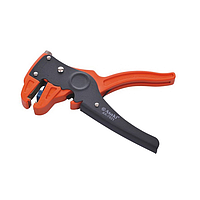
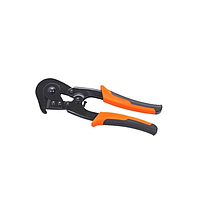
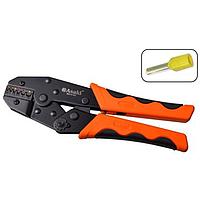
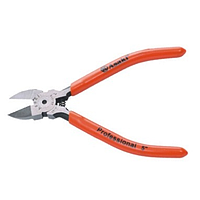
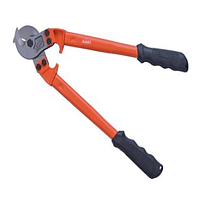
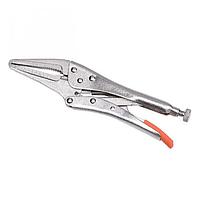
Other pliers
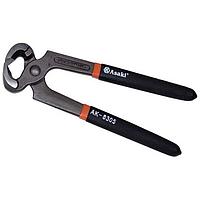
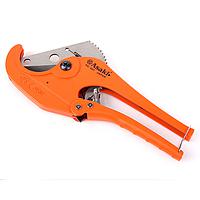
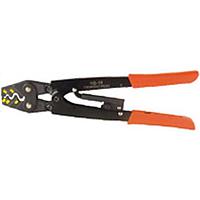
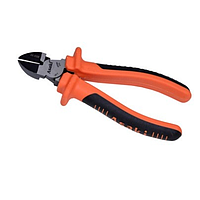
Not every gripping or cutting task fits into standard long-nose, combination, or diagonal pliers. In maintenance workshops, electrical work, mechanical assembly, and general repair, there are many situations where a more specialized jaw shape or handling mechanism makes the job safer, faster, and more precise. That is where Other pliers become especially useful.
This category brings together practical plier types used for clamping, holding, releasing, bending, opening, and reaching into confined spaces. Instead of treating them as miscellaneous tools, it is more helpful to see them as a problem-solving group for tasks that demand a specific jaw profile, insulated handling, anti-static protection, or a stronger grip on irregular parts.
Where specialized pliers are commonly used
In B2B environments, specialized pliers often support technicians in assembly lines, equipment servicing, utility maintenance, automotive work, and electronics handling. A groove joint design, for example, helps when working with pipes, fittings, and parts that vary in diameter, while curved or pointed jaws are better suited to accessing narrow or recessed areas.
These tools are also relevant when the workpiece cannot be handled reliably with general-purpose hand tools. In some cases, users need better reach; in others, they need controlled opening force, a secure grip on round surfaces, or safer handling around energized systems. For broader workshop coverage, teams often pair pliers with complementary tools such as a socket wrench set for fastening applications.
Typical plier types included in this category
This category can cover several specialized formats rather than one single tool profile. Groove joint and water pump pliers are commonly selected for gripping larger round or flat parts, especially when adjustable jaw positioning is important. A model such as the STANLEY 84-021 Groove Joint Pliers or STANLEY STHT84024-8 Water Pump Pliers illustrates this kind of use in general maintenance and installation work.
Long, pointed, and curved nose designs help users reach into tight assemblies, align small components, or manipulate clips and springs where standard jaws are too bulky. Examples in this range include the STANLEY STHT84031-8 6" Pointed Pliers and STANLEY STHT84274-8 Curved Nose Brake Opening Pliers. For tasks that involve retaining rings or similar components, a set like the STANLEY STMT74180-8 4-part opening pliers can be more efficient than relying on improvised tools.
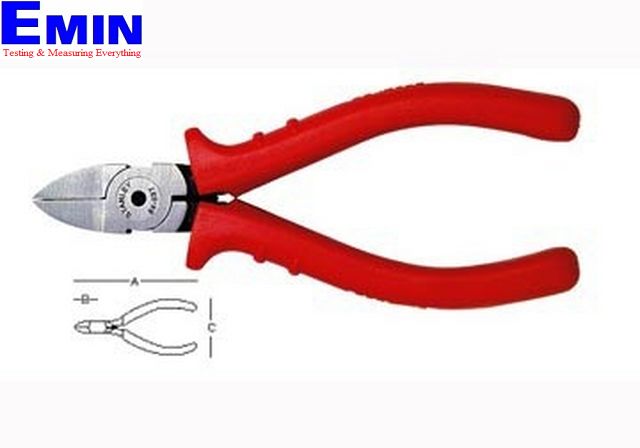
Cutting-focused tools may also appear here when they serve a more specific function than ordinary side cutters. The Fujiya AMN-110S Cutting Plier, Fujiya APN-150FS Cutting Plier, and SATA 75102 Strong Anti-Static Handle Diagonal Pliers are examples of tools that can support precision cutting or handling needs in different work environments.
How to choose the right pliers for the job
The first consideration is the shape of the workpiece. Round pipes, brake components, clips, wire ends, and narrow fastener areas all require different jaw geometries. Choosing the correct jaw type improves control and reduces the risk of slipping, damaging parts, or applying force in the wrong direction.
The second factor is the working environment. If the task involves sensitive electronic assemblies, anti-static handling may be relevant, as seen with the SATA 75102. If technicians may work near live circuits, insulated handle designs such as the STANLEY 84-011 Insulated Diagonal Plier Set can be an important consideration, provided the tool is selected and used in line with the required safety procedure and voltage rating.
Size also matters. A 6" or 7" tool may offer better maneuverability in compact spaces, while 10" or 12" pliers can provide more leverage for tougher gripping work. Teams building a practical bench or field toolkit often combine pliers with a hex wrench set to cover adjustment, holding, and access tasks with fewer tool changes.
Examples of products in this range
Several representative products help show the scope of this category. The STANLEY 84-021 Groove Joint Pliers (12"/300 mm) are suited to adjustable gripping tasks where component sizes can vary. The STANLEY STHT84024-8 Water Pump Pliers offer a similar role for general pipe, fitting, and maintenance applications.
For access-oriented work, the STANLEY STHT84032-8 Long Nose Plier and STANLEY STHT84031-8 6" Pointed Pliers are useful references. Where clip handling or brake-related opening tasks are involved, the STANLEY STHT84272-8 and STHT84274-8 Curved Nose Brake Opening Pliers reflect the need for more specialized jaw profiles.
Users who need a wider range of retaining ring handling options may prefer the STANLEY STMT74180-8 set, while electronics-oriented work may benefit from the anti-static characteristics of the SATA 75102. For cutting applications, Fujiya AMN-110S and Fujiya APN-150FS show how this category can also include tools chosen for a specific cutting style rather than a general workshop pattern.
Manufacturers commonly considered by buyers
Buyers often compare tool ranges by brand because consistency in ergonomics, finish quality, and product line depth can influence workshop standardization. In this category, users may already be familiar with brands such as STANLEY, SATA, and Fujiya, especially when selecting hand tools for maintenance and assembly teams.
The broader market may also include manufacturers such as BOSCH, IRWIN, KNIPEX, MAKITA, GOOT, HOLEX, and THORLABS, depending on procurement needs and the wider tool ecosystem in use. In practice, the right choice usually depends less on brand visibility alone and more on the jaw type, working clearance, grip comfort, and suitability for the target application.
Building a more complete assembly and repair toolkit
Specialized pliers are rarely used in isolation. In real workshop conditions, they work best as part of a balanced tool set that supports gripping, loosening, striking, and adjustment tasks. That is why procurement teams often review adjacent categories when equipping technicians for installation or service work.
Depending on the job profile, it may be practical to add a repair kit for field maintenance or a hammer for fitting and disassembly work. This approach helps reduce downtime caused by missing tools and improves task readiness across mechanical and electrical service activities.
Why this category matters in day-to-day maintenance
Although these tools may be grouped under a general label, their role is highly practical. Many maintenance problems are not solved by a standard plier shape, especially when parts are recessed, spring-loaded, circular, delicate, or electrically sensitive. A well-chosen specialized plier improves handling precision and can reduce strain on both the component and the technician.
When reviewing products in this category, it is worth focusing on application fit rather than treating every option as interchangeable. Jaw design, insulation, anti-static handling, size, and access requirements all affect performance in the field. With the right selection, Other pliers become a useful extension of any professional assembly, repair, or maintenance toolkit.
Get exclusive volume discounts, bulk pricing updates, and new product alerts delivered directly to your inbox.
By subscribing, you agree to our Terms of Service and Privacy Policy.
Direct access to our certified experts